


Gulf energy crisis moves from acute to chronic phase
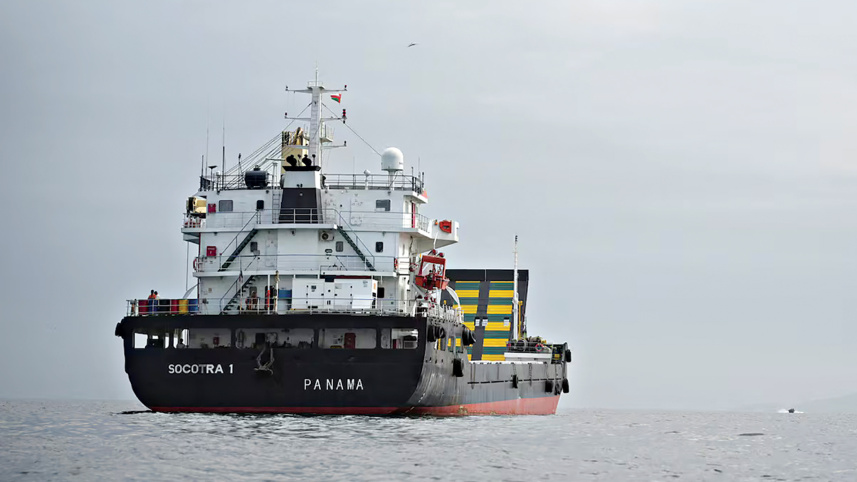
The Gulf energy crisis isn’t over. Ever since the United States and Israel launched joint strikes on Iran, regional tumult has throttled worldwide oil and gas supplies. On Friday, Iranian Foreign Minister Abbas Araqchi declared the opening of the key Strait of Hormuz chokepoint, through which a fifth of global oil and gas shipments typically transit daily — part of a 10-day ceasefire that now encompasses hostilities in Lebanon. The question is whether investors are right in their apparent sense that the acute phase of the impasse is giving way to a longer-term chronic period, or whether energy prices are going to snap back up again.
For now, the mood is one of relief. Brent futures plummeted below $90 a barrel on Friday morning, having neared $120 late last month. In Europe, where gas storage levels are near the lowest they’ve been since Russia’s invasion of Ukraine, May futures priced off the Dutch TTF benchmark collapsed to under 39 euros per megawatt-hour, from a mid-March high above 60 euros per MWh.
 For all latest news, follow The Daily Star's Google News channel.
 The reaction is understandable. Morgan Stanley analysts envisioned prices rising to perhaps $150 per barrel if the situation escalated. Already, at the recent level of $110 a barrel, the bank predicted that Asian GDP growth would fall from 5 percent to 4.2 percent this year. The International Monetary Fund similarly cut its forecast for global economic activity. The initial policy response sought to stem the worst effects. Price caps in Asia helped hold domestic fuel-price rises to only 16 percent, adjusting for purchasing power, well below a 53 percent increase in oil prices in local currencies, Morgan Stanley reckons. Though presented in broader terms, the UK government has said it will eliminate a carbon tax on natural gas generation.
Any sense of normalization needs to be qualified. As Gulf oil and gas storage filled, producers with nowhere to shift their product have shuttered output. War-ravaged infrastructure must be rebuilt. Ships take time to reach port, with full resumption of traffic maybe months away.
A return to that daily norm of 100-plus ships is also far from guaranteed. President Trump’s promise to continue blockading Iran remains. And Araqchi noted that tankers must still coordinate with Iranian authorities: whether this means the country will continue extracting tolls for safe passage is unclear. Fresh costs or risks of re-erupting conflict could lead to a perhaps $10 per barrel oil price premium, experts previously told Breakingviews.
If the crisis is in its chronic phase, there are other implications. Any deal between Iran and the US to curb Tehran’s nuclear enrichment may not last — after all, the one struck a decade ago by President Barack Obama didn’t. Other consequences abound: Japan is seeking to restart nuclear reactors; China raised its target for renewable energy. Consumers too, will respond, judging by reports of frenzied electric-vehicle buying.
Brent prices are still meaningfully higher than their pre-conflict low-$70s a barrel in late February. Even still, they could prove to be too low. In a post on social media network X, Iranian Foreign Minister Abbas Araqchi said on April 17 that “passage for all commercial vessels” through the Strait of Hormuz is “declared completely open for the remaining period” of a ceasefire that has now extended to Lebanon.
In a subsequent post on Truth Social, US President Donald Trump also said that the Strait is “completely open,” but added that a “naval blockade” will remain in place “as it pertains to Iran,” until “our transaction” is complete. US and Iranian negotiators are working towards a peace plan, Axios reported.


Comments