


How the govt can fix the tax system
The tax-to-GDP ratio in Bangladesh remains chronically low. Revenue is insufficient and unevenly imposed, limiting public investment in services that support long-term growth. A larger economy requires a government able to raise and spend revenue effectively. Reform of the National Board of Revenue (NBR) sits at the centre of that challenge. A year after an ordinance meant to fix the NBR, reform has stalled. Bangladesh now has an elected government with a two-thirds majority, yet the economy is fragile. Prime Minister Tarique Rahman and Finance Minister Amir Khosru Mahmud Chowdhury are preparing the next budget. In the run-up to the budget, several economic policy reforms have been announced.
On May 12, 2025, the interim government split the NBR into two divisions -- Revenue Policy and Revenue Management. Officials responded with a six-week strike. A revised ordinance in September allowed revenue cadres to apply for senior posts, easing tensions. But the momentum has already faded. The NBR chairman acknowledged that the reforms had run into difficulties and that the new government would need to make them “practical”. The episode sent signals to markets and international financial institutions monitoring Bangladesh’s economy. Yet the NBR split is only one element of a deeper structural weakness.
 For all latest news, follow The Daily Star's Google News channel.
 The BNP manifesto pledged to raise the tax-to-GDP ratio to 15 percent by 2035 without introducing new taxes. It proposed widening the income tax and VAT base, taxing carbon and improving efficiency through technology. The business community is unlikely to welcome higher taxes or stricter enforcement with fewer exemptions. Bangladesh depends heavily on export-oriented sectors such as garments and pharmaceuticals, where exemptions and negotiated compliance have long been embedded. An elected government faces constraints that did not apply to the previous interim government. But the July Charter, approved by more than 60 percent in a referendum, offers a mandate for difficult reform. The IMF programme adds pressure, as do economic stress and the approaching graduation from least developed country status. Reform should begin with a clear diagnosis, validated by key stakeholders, including revenue cadres. Sequencing will matter. Early visible wins could build trust, for example, by pursuing high-profile evasion cases before demanding more paperwork from small traders. Technology can help, but simple steps such as digital notices and taxpayer reminders may deliver quick gains.
The FY2026-27 budget will be instructive. Will the government revisit the NBR split in a cleaner form? A fresh law passed by parliament, rather than another ordinance, would carry greater legitimacy. Drafted in consultation with revenue and administration cadres, it could clarify reporting lines and reduce conflict, signalling commitment to durable reform. Will ministers advance proposals for wealth and inheritance taxes raised in pre-budget discussions? The NBR has indicated it is considering reintroducing a wealth tax and creating an inheritance tax, alongside higher taxation of top earners and tighter exemptions. Such measures would test the government’s willingness to tax accumulated domestic wealth and would require stronger administration.
At the other end, will the government bring parts of the urban informal economy into the tax net without stifling activity? Burdensome compliance for small traders would yield limited revenue and risk political capital. The broader challenge is to build an economy that generates enough revenue to fund reliable urban services, functioning public hospitals and basic infrastructure. Bangladesh, like neighbouring India, shows signs of a K-shaped economy, with widening inequality in wealth and consumption. The state lacks resources to meet demands that surfaced during the 2024 monsoon protests. The BNP inherits stalled NBR reform and a narrow fiscal base. The coming budget will not resolve every structural weakness, but it can signal intent. Failure to act risks continued revenue stagnation as IMF conditions tighten and LDC graduation adds pressure on export sectors. The government should not let this moment pass.
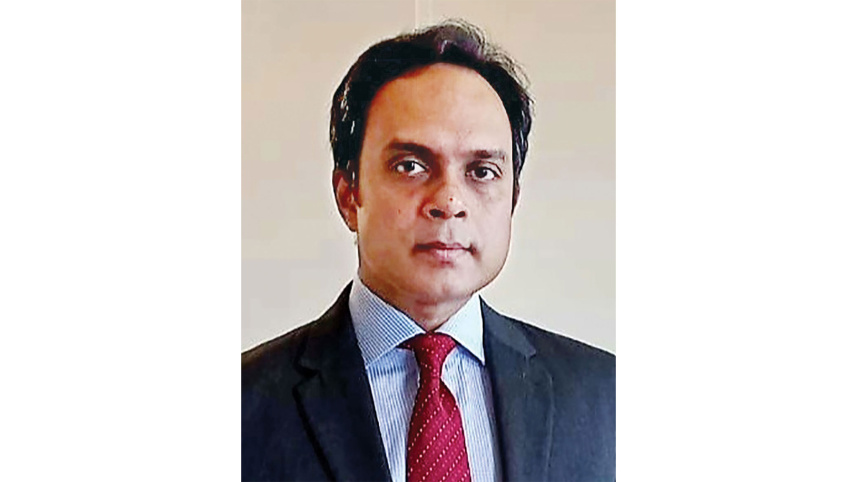
The writer is with Adam Smith International and is a governance and public policy professional with over two decades of experience across South Asia and East Africa
Comments