


Anthropic becomes a cautionary sovereign-AI fable
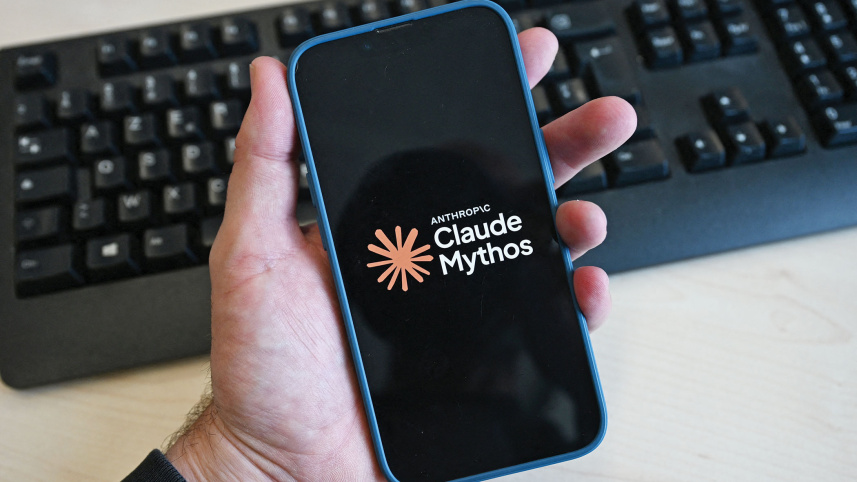
Anthropic’s most powerful chatbots are living up to their names. On Friday, the White House placed severe export controls on Mythos, a model purported to function as a hacking super-weapon, and Fable, a sanitized variant meant for public consumption. Boss Dario Amodei responded by suspending access altogether. His $965 billion company’s breakneck progress has opened up its own regulatory Pandora’s box. Global allies may take it as a cautionary tale about depending on the US.
The dispute arose over concerns that safeguards preventing Fable’s use as a hacking tool can be bypassed. Anthropic says the problem is narrow and does not expose novel capabilities. Yet Andy Jassy, CEO of Amazon.com, an investor in Anthropic, felt the need to flag the danger to officials, Reuters reported.
 For all latest news, follow The Daily Star's Google News channel.
 It’s a messy example of how untamed and uncertain AI regulation is. Anthropic tried to stay a step ahead, releasing Mythos only to select partners to find cybersecurity holes. After practically touting his products as inherently dangerous, though, Amodei may have inadvertently set a new precedent: chatbots cannot simply be thrown out to the public anymore.
That even close allies like the United Kingdom could be cut off from silicon smarts raises further alarm. White House officials have said that US AI dominance will be built on exporting American technology, making it the global standard. Revealing that these exports carry a regulatory kill-switch threatens this project. The European Union has already pushed US cloud giants to store and process data locally. Singapore and the United Arab Emirates are developing models better suited to their languages and needs. Such alternatives are not cheap: McKinsey estimates local AI offerings can cost 10 percent to 30 percent more. Washington has made that insurance premium easier to justify.
Complicating matters further, the underlying technologies that make Mythos and Fable possible pass through a host of global chokepoints, like Taiwanese semiconductor foundry Taiwan Semiconductor Manufacturing, or Dutch company ASML’s lithography machines. A world of rising export controls could make advanced AI models harder or more expensive for everyone to build.
Open-source alternatives that run on a user’s own hardware and cannot be revoked will look yet more attractive. That’s a leg-up to China’s industry, which has focused on cutting-edge open models like DeepSeek and Alibaba’s Qwen.
More prosaically, as Anthropic heads towards an initial public offering, it must presumably explain to investors that the White House can quarantine the models it burns billions of dollars to train. How they can gauge this danger, unbounded by an independent regulator or explicit legislation, is unclear. This specific situation may well be resolved with quick fixes. Broader concerns cannot be stuffed back into the box.




Comments