


Dollar declines
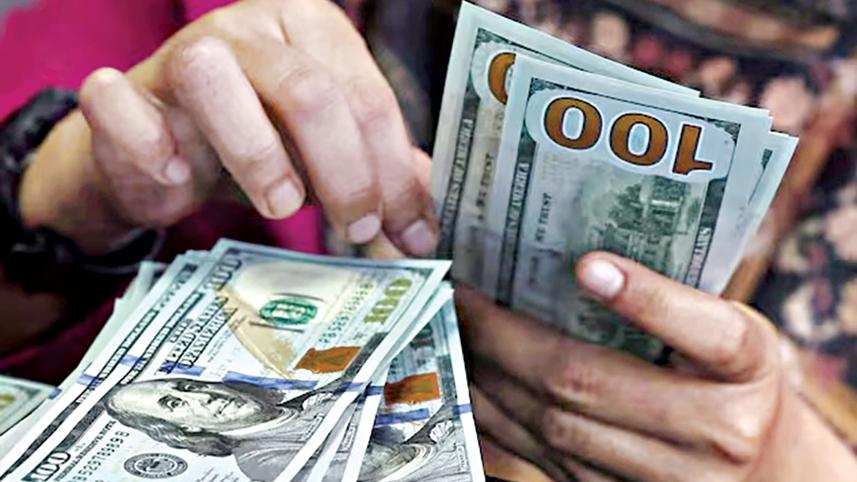
The dollar declined in volatile trading on Friday and was poised to snap a four-session streak of gains after the US Supreme Court struck down President Donald Trump’s sweeping tariffs based on a national emergency law.
The justices, in a 6-3 ruling authored by conservative Chief Justice John Roberts, upheld a lower court’s decision that the Republican president’s use of this 1977 law exceeded his authority.

The dollar was initially higher on the day after US economic data showed a higher-than-anticipated inflation reading while economic growth fell well short of expectations.
The Commerce Department said gross domestic product increased at a 1.4 percent annualized rate last quarter, much lower than the 3 percent growth pace estimate of economists polled by Reuters. Analysts noted, however, that the number was negatively impacted by the government shutdown.
“The majority of this week has been dollar positive, except for right now, and why I’d say the ‘sell America’ trade got a little ahead of itself,” said Erik Bregar, director of FX and precious metals risk management at Silver Gold Bull in Toronto.
“We have to see how Trump responds, how (Treasury Secretary Scott) Bessent responds, how the administration responds. We’ve heard all this talk that they have other ways of instituting these tariffs.”
Trump said in a briefing after the ruling that he would sign an order to impose a 10 percent global tariff under Section 122 of the 1974 Trade Act and would initiate several other investigations as well, while Bessent said that estimates by the department show the use of section 122 authority, combined with potentially enhanced section 232 and section 301 tariffs will result in virtually unchanged tariff revenue in 2026.
Separately, the personal consumption expenditures price index, excluding the volatile food and energy components, rose 0.4 percent, the Commerce Department said, after an unrevised 0.2 percent gain in November and above the 0.3 percent estimate. It rose 3 percent in the 12 months through December after a 2.8 percent climb in November.
 For all latest news, follow The Daily Star's Google News channel.
Comments