


Bangladesh Bank holds key rate at 10% but cuts deposit rate to spur lending
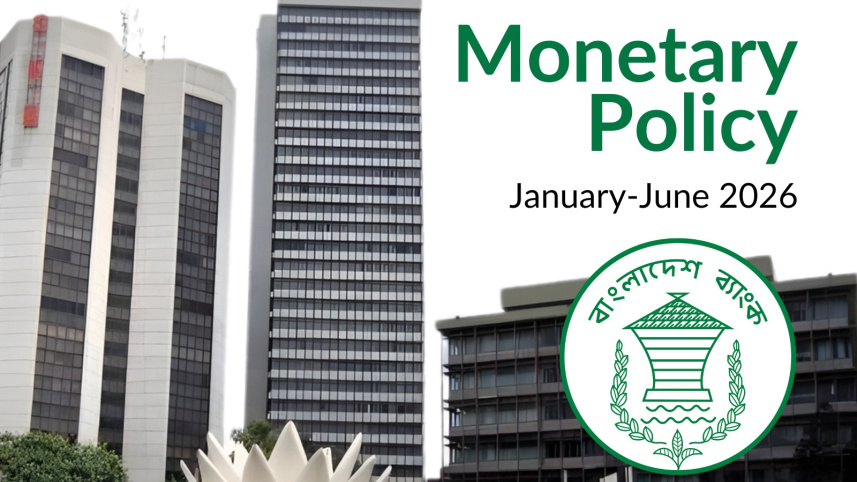
The Bangladesh Bank (BB) today unveiled the monetary policy for the January–June period of the current fiscal year, keeping the policy rate unchanged at 10 percent as inflation continues to hover well above its target.
The policy rate, or repo rate, is a key interest rate used to influence credit demand and money flow in order to contain demand-induced inflation.

Inflation rose for the third consecutive month, reaching 8.58 percent in January, driven by higher food prices ahead of Ramadan, the fasting month for Muslims when demand rises.
The 12-month average inflation stood at 8.66 percent last month, much above the BB’s target of reducing it below 7 percent.
While maintaining a hawkish headline rate, the BB moved to untie a knot in the interbank market by cutting its Standing Deposit Facility (SDF) rate by 50 basis points to 7.5 percent. The recalibration is designed to discourage commercial banks from parking excess liquidity at the central bank and instead channel funds into the private sector.
The monetary policy statement for the second half of fiscal year 2026 underscores the delicate balancing act facing policymakers in Dhaka. Although price growth has begun to moderate, the central bank cautioned that pressures remain “elevated and uneven”.
“Maintaining exchange-rate stability remains essential to containing imported inflation, and any premature rate cut before further deceleration in inflation could risk renewed downward pressure on the taka,” it said.
“Moreover, several near-term inflation risks persist, including the upcoming national elections, the holy month of Ramadan, and the potential implementation of a new national pay scale—each of which typically boosts demand and consumer spending. These considerations underscore the need for a cautious and balanced monetary approach,” it added.
After hiking the rate 11 times to 10 percent in October 2024, the BB has been maintaining the rate to curb excess demand and tame the stubbornly high inflation.
 For all latest news, follow The Daily Star's Google News channel.
Comments