


China may win more than EU from auto tariff truce
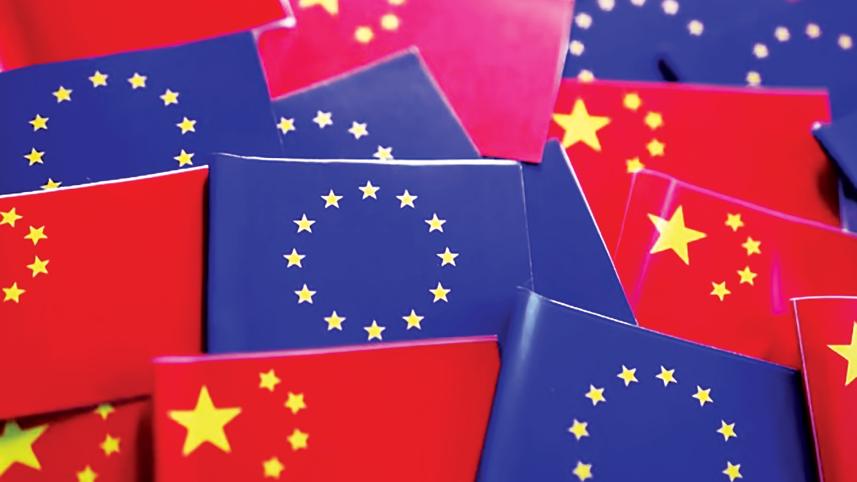
A détente in the electric vehicle tariff war may suit China more than Europe. Brussels and Beijing are haggling over a way for Chinese manufacturers to sell battery rides tariff-free, but at a minimum price. Embracing such a system would be a risky move.
Europe's electric-vehicle tariffs are barely a year old. Brussels added extra levies of up to 35 percent to offset the competitive advantages that made-in-China vehicles get from government subsidies or cheap labour. Now, the People's Republic is pushing an alternative: rather than duties levied on imports, carmakers would commit to not sell below a certain price, a model used before with solar panels.

Such a system could have benefits. Chinese manufacturers would not have to absorb the burden of levies through discounted prices. Europe, meanwhile, would be able to mollify Beijing and so avoid tit-for-tat tariffs on cognac and other exports, but still stop it dumping cars on the cheap. The latter is a potential mortal threat to Renault or Volkswagen. Last year, the Middle Kingdom exported some 1.25 million electric vehicles, more than half of the total production in Europe, as per International Energy Agency data.
Look beneath the hood, however, and there are issues. Europe would probably want to find a level that reflects the extent of subsidies enjoyed by each carmaker, as it did with tariffs. A single tariff, likely China's preferred option, would be less precise. Either way, establishing a minimum floor for a complex vehicle with many moving parts would be challenging.
It could also quickly become obsolete. Renault and Volkswagen are launching cheaper EV models to compete with China, and changes in battery technology will lower costs. A floor could reduce the incentive to innovate.
Enforcement looks a bigger headache. Tariffs have the virtue of simplicity. Yet car prices are fluid: dealers offer discounts, and incentives such as cheap loans. And China's carmakers are already masters at bundling products to make their wares more attractive at home. BYD includes its "God's Eye" assisted driving software for all vehicles priced above 100,000 yuan (less than $10,000). Carmakers at April's Shanghai auto show touted perks such as multiple screens and built-in kitchenettes. Nio owners have access to the brand's clubhouses.
As such, European carmakers may still be undercut by Chinese rivals, incentivising production in China. True, Europe could impose minimum import quotas, as it did with Japan in the 1980s. Or it could set the price floor high but still impose tariffs below that level. But overall, minimum pricing may be the cost Europe must bear to maintain relations with Beijing and secure access to rare earths – meaning China would most likely be the winner.
 For all latest news, follow The Daily Star's Google News channel.
Comments