


US trade deal a genuine partnership for more bilateral trade: US ambassador
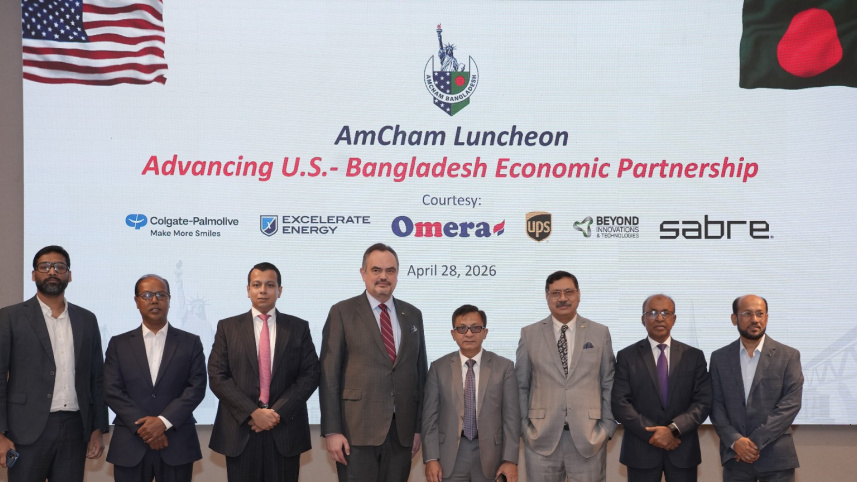
American Ambassador to Bangladesh Brent T. Christensen today described the recently signed Agreement on Reciprocal Trade (ART) between Bangladesh and the USA as a genuine partnership that will create opportunities for more trade and investment for both nations.
The US envoy made the remarks while speaking at a discussion on commercial and economic policy during the AmCham High-Level Luncheon and Policy Dialogue at the Sheraton Dhaka, attended by diplomats, the commerce minister, business leaders, academics and experts.

On the ART, the ambassador said it is a policy that emphasizes trade over aid, investment over assistance, and a genuine partnership that creates opportunities for both countries.
He noted the enormous potential of bilateral trade and called this moment an extraordinary opportunity for Bangladesh.
Christensen expressed hope that if fully embraced and executed, the ART could propel not only trade between the two countries but also Bangladesh’s economic development to new levels.
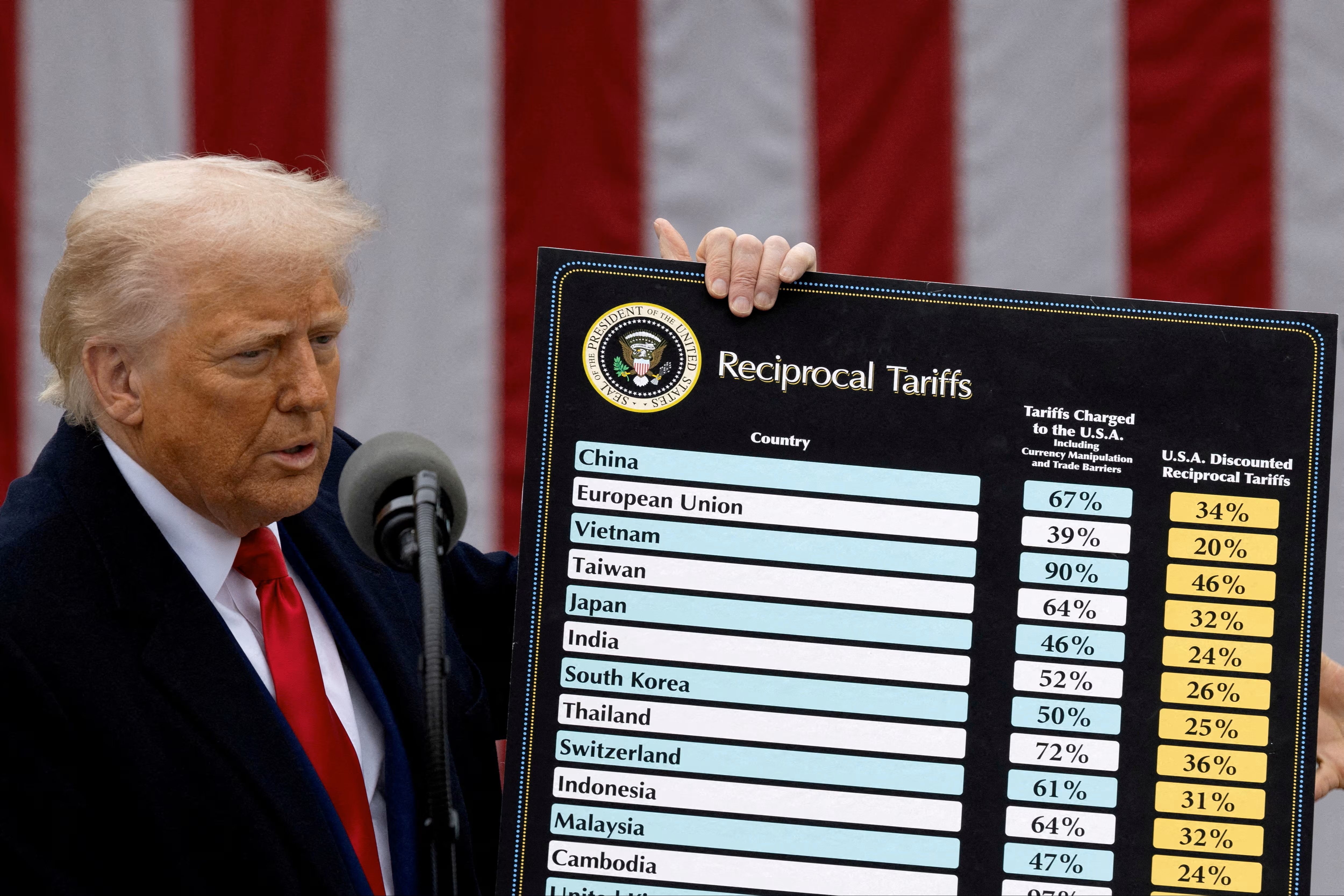
Describing the ART as an excellent agreement, he said it preserves Bangladesh’s access to the critical US market with competitive 19 percent tariffs—down from 35 percent without the agreement—while adjusting Bangladesh’s tariffs and non-tariff barriers to encourage imports from the United States and balance trade.
“We cannot have lasting economic prosperity if those countries that export to the United States then import primarily from other countries—creating massive and chronic trade deficits that impoverish the very market you rely on,” he said.
The ambassador pointed to the more than $6 billion trade gap between the two countries, heavily tilted towards Bangladesh due to garment exports, and urged Dhaka to reduce tariffs and non-tariff barriers such as radiation tests on US wheat and pesticide tests that are not relevant.
He highlighted Bangladesh’s commitment to purchase $3.5 billion in US agricultural products—wheat, soy, cotton, and corn—emphasizing their high quality and value. He noted that spoilage rates for wheat from other countries were as high as 20 percent, compared to just 2.5 percent for US wheat, with protein content rising from 11.5 percent to 14 percent.
The agreement also commits Bangladesh to $15 billion in energy products over the next 15 years, largely through continued imports of LPG from the US. Christensen said these are commercial deals that create jobs and opportunities in both countries, not aid packages.
Beyond direct trade benefits, Bangladesh has pledged to improve its business climate under the ART. The ambassador stressed that trust, a stable and transparent policy environment, and modernized business practices are essential for attracting large-scale American investment.
He noted Bangladesh’s need for significant energy sector investment—an estimated $180 billion by 2050—to meet growing demand. American energy companies are already key partners, with Chevron supplying half of Bangladesh’s natural gas and ready to produce more.
Christensen concluded that the ART is not a list of demands from the United States but a shared commitment to Bangladesh’s future, offering a vision for an incredible future for both nations.
 For all latest news, follow The Daily Star's Google News channel.
Comments