


What fuel loading at Rooppur means for our energy future

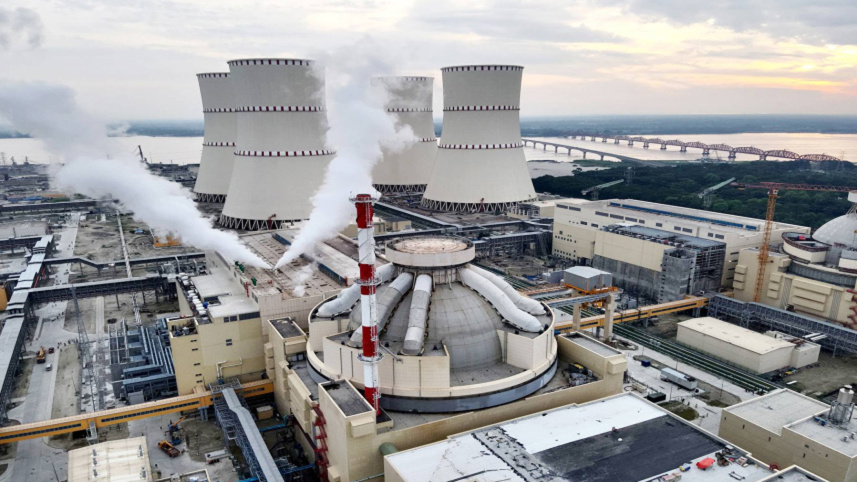
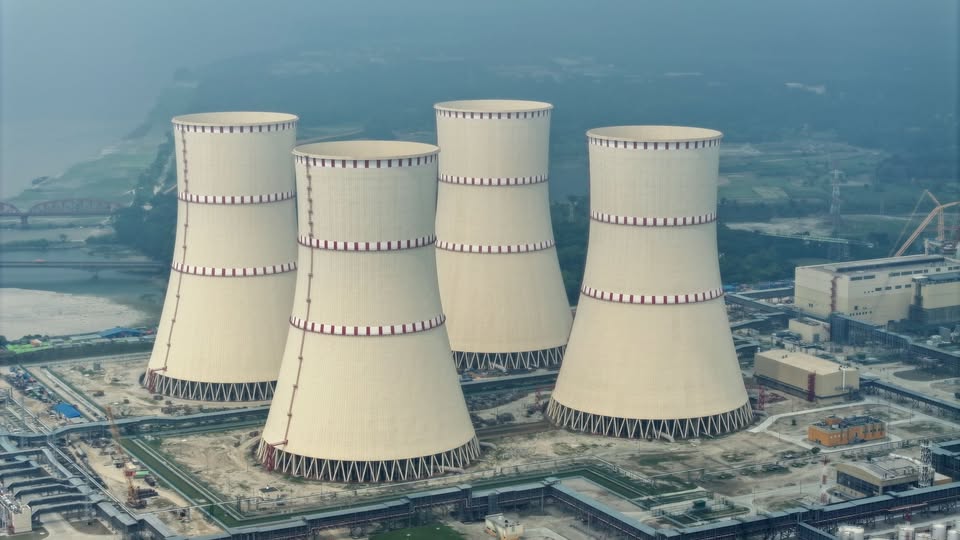
The fuel loading process at the first unit of the Rooppur Nuclear Power Plant project is scheduled to commence today, April 28, in the presence of high-level representatives from Bangladesh, Russia, and the International Atomic Energy Agency. This marks a major technological milestone for Bangladesh, as fuel loading is one of the most critical and complex stages in a power plant’s operational phase, signalling the transition from construction to commissioning. On April 16, following the successful installation of hundreds of pieces of equipment and extensive non-nuclear testing at Unit-1, the Bangladesh Atomic Energy Regulatory Authority (BAERA) granted the licence required for fuel loading and pilot power generation, clearing the way for preparations.

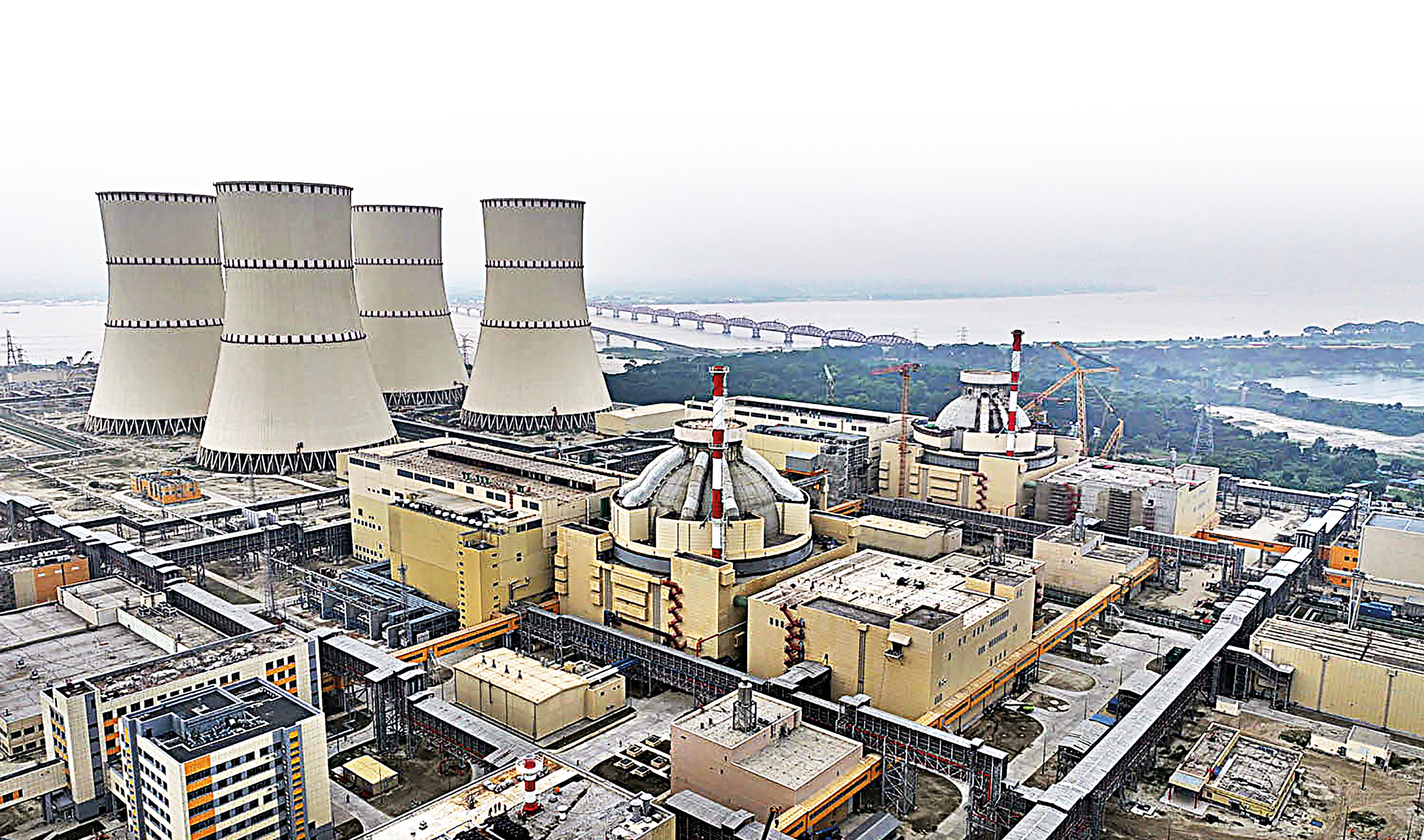
The Rooppur project consists of two Russian-designed Generation III + VVER-1200 reactors, each with an electrical output capacity of 1,200 MWe (megawatts electrical). The project has been under construction since 2017, with technical assistance from Rosatom and financing of up to 90 percent through Russian state export credit. In the context of Bangladesh’s growing energy demand, the project is poised to become a cornerstone of national energy security.
Loading fuel assemblies enriched with 3-5 percent uranium-235 into the reactor core is a highly specialised and technically demanding process. It signifies the beginning of nuclear operation. The fuel loading process is expected to take one to one-and-a-half months. After fuel loading, control rod adjustments for reactivity control, emergency core cooling systems, boric acid injection systems, turbine-generator synchronisation tests, power evacuation processes, and other critical safety systems will be retested and verified before initiating a controlled fission reaction in the reactor core.
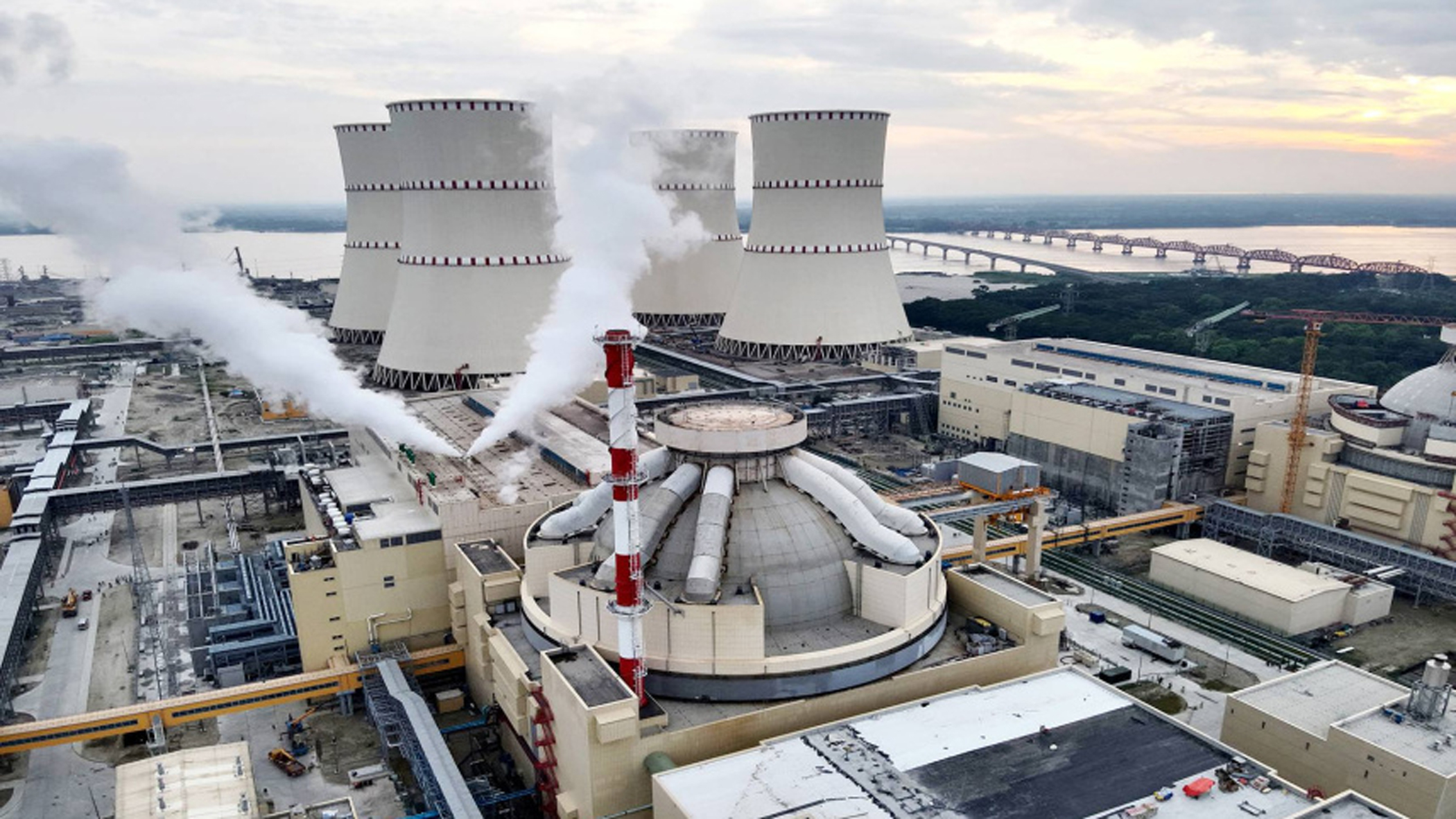
Once all the commissioning and verification activities are successfully carried out, the reactor will achieve its first “criticality,” operating at just 1 percent of its approximately 3,200 MWth thermal power capacity. The plant’s thermal efficiency is about 37 percent, meaning that roughly 37 percent of the reactor heat is converted into electricity. This stage represents the “birth” of the reactor. Testing at such low thermal power ensures that any potential anomalies can be detected and managed immediately. Subsequently, the heat generated by the reactor will produce steam through steam generators to drive turbines and supply electricity to the national grid. Power generation will then be increased gradually to 5 percent, 10 percent, 15 percent, 30 percent, and beyond to verify system reliability, grid stability, and operational safety over an extended period.
This entire commissioning process, known as pilot operation, may take approximately 8 to 12 months. Successfully completing these stages is one of the most complex parts of the reactor construction process. Once all international safety standards are met, BAERA will grant approval for commercial operation upon review of the Final Safety Analysis Report. When the Nuclear Power Plant Company Bangladesh Limited (NPCBL) begins operating the reactor at full capacity for electricity generation, it will mark a historic milestone for Bangladesh.
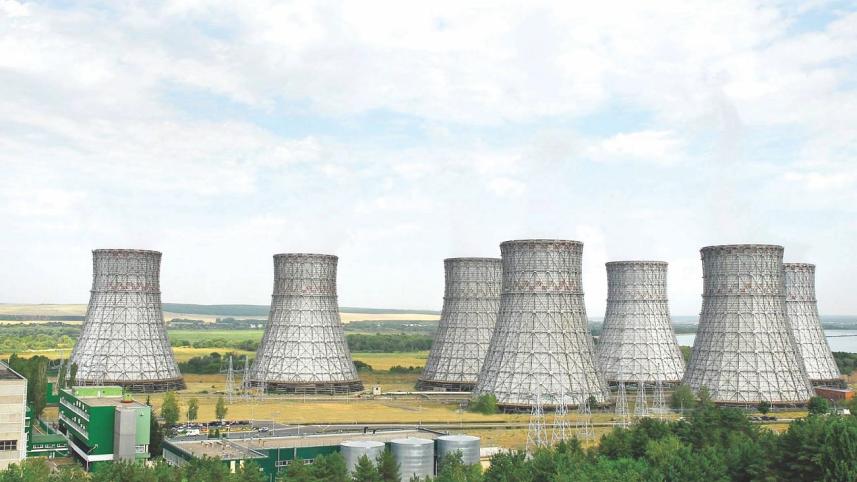
Once operational, a nuclear power plant serves as a baseload plant, running 24/7 unless interrupted by major technical issues or natural disasters. Approximately every 18 months, the reactor is shut down for six to eight weeks for refuelling, during which about 25 tonnes of spent fuel are replaced with fresh uranium fuel. Outside of this maintenance period, the plant is expected to provide continuous power over an operational lifespan of about 60 years, with the possibility of a further 10-20 years of lifetime extension.
Given the high economic stakes of any downtime and the significantly higher costs of generating equivalent power from oil, LNG, or coal, maintaining uninterrupted operation is vital. This becomes even more important as Bangladesh faces a severe energy crisis. The global energy infrastructure and supply chains are currently under pressure due to the recent conflicts involving Iran, Israel, and the United States, alongside the ongoing Russia-Ukraine war. The damage caused to energy facilities in Middle East, reductions in Russian gas exports to Europe, and sanctions on Iranian and Russian oil have destabilised global energy markets.
Consequently, many nations have been forced to implement fuel subsidies, rationing, and austerity measures. Countries heavily reliant on oil and gas imports are facing severe economic strain, and Bangladesh is no exception. Chronic fuel shortages have intensified public suffering, with a daily electricity deficit now exceeding 2,000 MWe. Escalating global energy prices have prompted the government to raise fuel costs, with further electricity price hikes anticipated. The government has also formed a high-powered committee to find solutions to the current energy crisis.
History shows that energy crises often drive technological shifts. Following the 1973 Arab-Israeli war and the subsequent OPEC oil embargo, the United States constructed many nuclear reactors to strengthen its energy security. Today, amid the US-Iran and Russia-Ukraine conflicts, the strategic importance of nuclear energy is once again gaining prominence. Furthermore, as the world increasingly moves away from fossil fuels to combat climate change, clean energy technologies are advancing rapidly. Alongside uranium-based fission and continued expansion of renewables, emerging technologies such as thorium-based reactors and deuterium-based fusion are expected to play important roles in the long-term global energy transition.
Beyond traditional large-scale plants, the industry is witnessing significant developments in modern reactors with enhanced safety features, including Small Modular Reactors (SMRs) and micro-reactors. These reactors are being developed by incorporating lessons learned from the Chernobyl and Fukushima accidents. With advanced safety systems, the probability of severe accidents is significantly reduced.
SMRs typically generate 300 MWe or less, while micro-reactors produce between 1 and 10 MWe. These modular units can be factory-built and deployed quickly, and their initial investment per unit is lower compared to large reactors. Their potential applications extend beyond electricity generation to green hydrogen production, desalination, and industrial heat supply. They are increasingly viewed as viable alternatives to coal- and oil-based plants and are well-suited for providing reliable power to remote islands, mining sites, military bases, research centres, and large data centres.
Countries such as the United States, Russia, and China are leading the advancement of these technologies. Under the current energy crisis, Germany, Italy, and some other EU member states are reportedly reconsidering the deployment of modern nuclear reactors. Technology giants such as Meta, Google, and Microsoft are also exploring micro-reactor deployment opportunities to help decarbonise the growing energy demands of their data centres.
In sum, to run the reactors in a safe and secure manner, the primary focus must be on fostering a rigorous safety culture in reactor operation and maintenance. At the same time, developing a highly skilled domestic workforce is essential to reducing foreign dependency and enhancing national technical expertise. Although the reactors are significantly behind the original schedule for grid connection, a successful completion of the Rooppur project remains vital. It will surely strengthen Bangladesh’s energy security, financial stability, and national resilience.
Dr Md. Shafiqul Islam is professor at the Department of Nuclear Engineering, University of Dhaka, and a former visiting professor at the Department of Nuclear Science and Engineering, Massachusetts Institute of Technology (MIT), USA.
Views expressed in this article are the author's own.
Follow The Daily Star Opinion on Facebook for the latest opinions, commentaries, and analyses by experts and professionals. To contribute your article or letter to The Daily Star Opinion, see our guidelines for submission.
 For all latest news, follow The Daily Star's Google News channel.
Comments