


Bogra tourist spots see sharp decline in visitor numbers
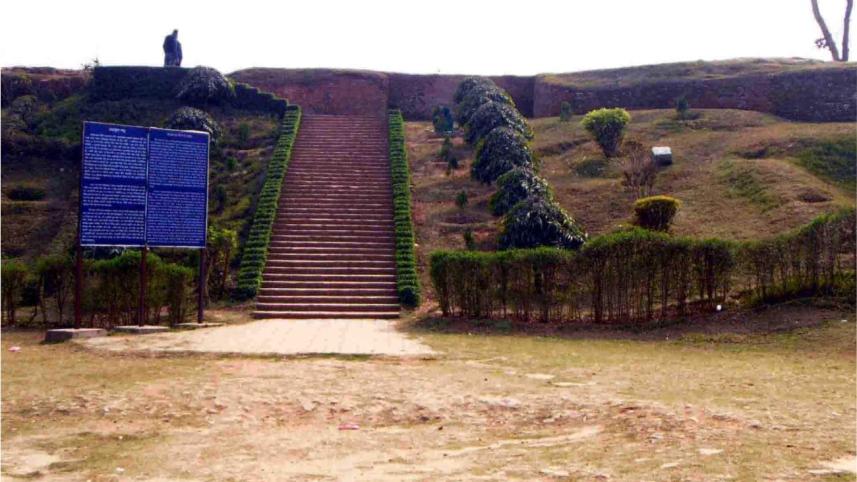
Bogra's famed archaeological site Mahasthangarh used to be busy on most days. Tourists keen to imbibe the atmosphere of one the earliest urban settlements discovered in Bangladesh took photos, wandered, contemplated and chatted. But these days the site which dates to at least the second century BCE is often deserted. As at Bogra's other tourist sites, visitor numbers are in sharp decline.
"Too many tourists used to visit," says local Sabed Ali, 86. "From the tourists we could make a decent income, but due to political instability and the site's decay, only a few arrive nowadays."

Promila Rany, a widow from nearby Shibgonj says she financed the living costs of her three-member family on providing services to museum visitors over the years. It's hardly possible anymore.
According to records at the custodian office of the site museum, in 2014 tourist visitors to Mahasthangarh numbered 14,065 with a further 113 from abroad, while student visitors numbered 503. This year's numbers are drastically lower, resulting in slim earnings for the archaeology department, a source said.
Low visitor numbers have resulted partially from the insecurity of the blockade earlier this year and more recently from the murders of two foreigners which have solicited caution, effectively restricting the movement of foreigners about the country. A longer term issue, however, is the worsening condition of Bogra's historical sites, causing visitors to simply lose interest.
As a result, Bogra is at risk of losing the bulk of its tourism sector income altogether.
Aside from Mahasthangarh, tourists used to head to Nabab Palace, home to the only Nabab in the northern region during the British era, and adjacent Karupalli museum, in Bogra town. Such a venture today will leave any visitor disheartened: Karupalli is no more and the palace, also once a museum, is in a very poor state.
A housing company meanwhile has been filling the area with apartments and business premises, with a descendent of the Nabab eager to sell the land. It appears that despite the wishes of many in Bogra's civil society even the palace itself may be sold.
Convener of one of the district's citizen's association Abdur Rahim says programmes have been conducted to advocate the preservation of the district's tourist sites but that in particular at locations such as the Nabab Palace preservation goals have been opposed by developer interests.
The Combined Cultural Alliance meanwhile formed a human chain at Shatmatha in Bogra town recently to demand the nationalisation of the Nabab Bari and Thomson Hall, another site of historical importance in the town.
Nahid Sultana, regional director of the archaeological department responsible for Rajshahi and Rangpur divisions says the government has been acquiring properties of significance within the constraints of limited budgetary support.
 For all latest news, follow The Daily Star's Google News channel.
Comments