


Vultures to survive and grow if safety ensured
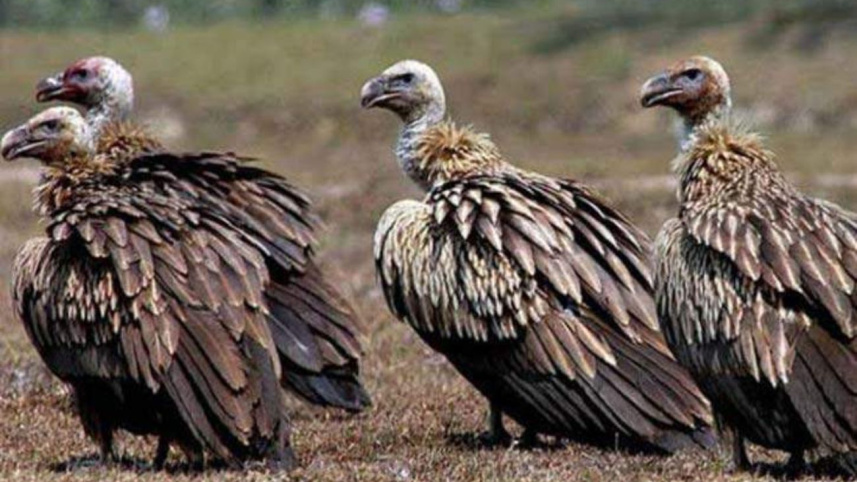
Endangered bird vulture, popularly known as 'cleaner of nature', shows the prospect of revival through proper conservation measures including maintenance of natural food chain, experts said at a seminar at Bangladesh Agricultural University (BAU) here on Wednesday.
International Union for Conservation of Nature (IUCN), an international organization for conservation of endangered animals and birds, organised the seminar titled "Safe Drug and Vulture Conservation in Bangladesh" at the Faculty of Veterinary Science of BAU.

"Raise your voice to save vultures from extinction" was the slogan of the seminar.
Vultures can digest different kinds of germs and by eating carcasses of livestock, it helps to keep the environment clean and prevent spread of diseases.
To save the bird from extinction, some 47,000 square kilometre areas in Sylhet, Chittagong, Khulna, and Barisal divisions have been declared as "Vulture Safe Zone" for safe nesting and breeding of vultures, they said.
The arrangements include plantation of trees for its habitat development, preserving large trees and supplying required foods, they said.
There are 23 species of vulture in the world and seven of those are found in Bangladesh.
But their number has come down to only around 250 in the country as vultures faced massive deaths after eating carcasses of cattle that had been treated with diclofenac, an anti-pain drug, while food scarcity, ecological imbalance and climate change add to the situation, the experts said.
The government banned use of diclofenac in treating cattle in 2010 but rampant use of this medicine continues, they said.
They demanded imposition of strict ban on diclofenac as well as ketoprofen, another animal medicine harmful for vulture.
ABM Sarwar Alam, IUCN's Bangladesh chapter principal investigator on 'vulture conservation', and Prof Dr Md Rafiqul Alam of surgery and obstetrics department of BAU veterinary science faculty read out keynote papers at the seminar presided over by Prof Dr Md Abdus Samad, dean of veterinary science faculty.
BAU Vice Chancellor Prof Dr Md Ali Akbar was the chief guest while Enam Al Haque, head of Bangladesh Bird Club's Bird Research Project, IUCN's programme coordinator Dr Hasib Md Irfanullah, and divisional forest officer Gobinda Roy attended as special guests.
 For all latest news, follow The Daily Star's Google News channel.
Comments