The black flag at Rajshahi and the officer who chose conscience
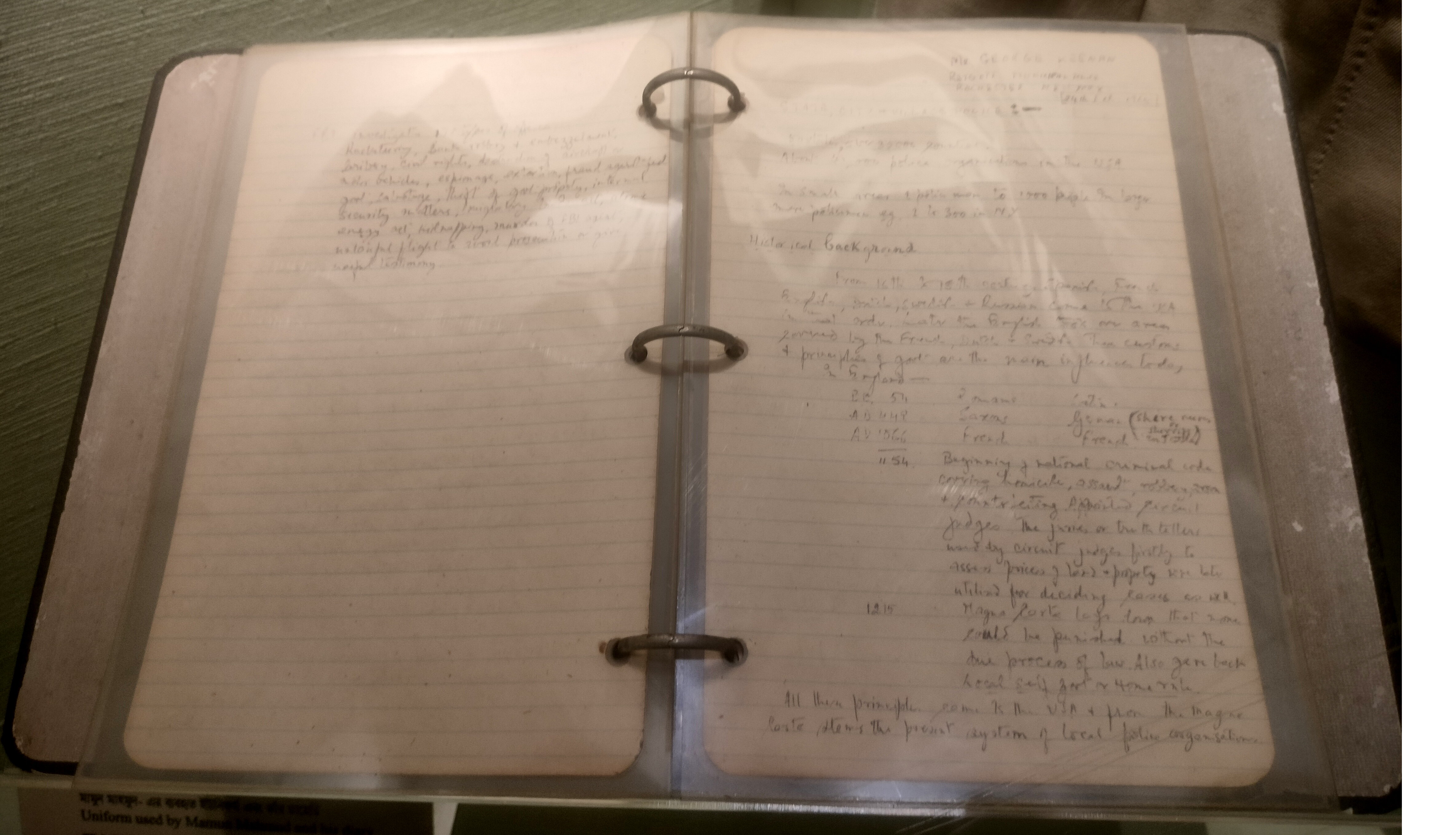
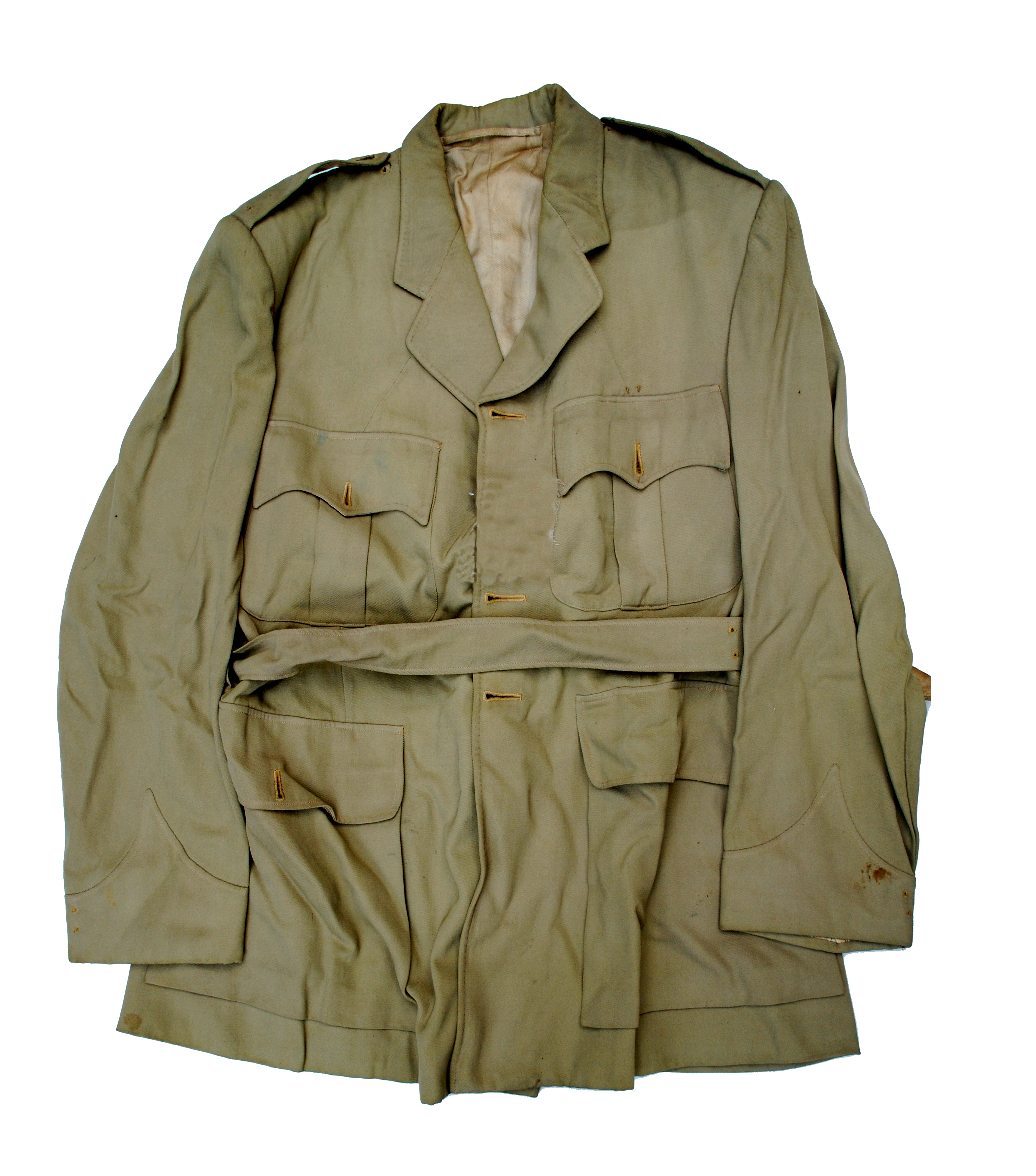
The faded uniform, the preserved notebook, and the solemn portrait together evoke the life of Mamun Mahmood—a man whose quiet resistance became a powerful symbol during the burning days of March 1971.
Born on November 17, 1928 into an enlightened family in Chittagong, he was deeply influenced by his mother, Shamsunnahar Mahmud, a pioneering figure in Bengal’s women’s emancipation movement. From her, he inherited a liberal outlook and a strong sense of justice that would later define his actions.
As the Deputy Inspector General of Police of Rajshahi Range, Mamun Mahmood occupied a position of significant authority. Yet, at a time when many chose caution, he chose conscience. During the non-cooperation movement led by Bangabandhu Sheikh Mujibur Rahman, he raised the black flag at his official residence—an act that was both symbolic and profoundly risky. It signified not only his political stance but also his moral alignment with the aspirations of the Bengali people.
The preserved notebook suggests a life of discipline and duty, filled with official notes, reflections, and the weight of unfolding history. Meanwhile, his uniform stands as a poignant reminder of the duality he embodied—an officer of the state who ultimately resisted its oppressive machinery.
On March 26, 1971, the day that would mark the beginning of the Bangladesh Liberation War, Mamun Mahmood was taken to a local army camp under the pretense of an official meeting. He never returned, and his body was never found. His disappearance remains one of countless unresolved tragedies, yet his defiance endures.
SB Meraj is a writer, theatre artist, and film enthusiast. He can be reached at sbmeraz.14mgbhs@gmail.com.
Send your articles for Slow Reads to slowreads@thedailystar.net. Check out our submission guidelines for details.
APO 433: Dhaka’s forgotten post office of World War II
Dadabhai Naoroji: The man who exposed the economics of British colonialism
Untold stories of 1971 through private letters
The extraordinary journey of Atish Dipankar Srigyan
Forgotten story of Jeanette Van Tassel, the American woman who flew over Dhaka in 1892
Beyond 1947 / A personal essay
Abul Mansur Ahmad / A global quest in search of a nation

Chand Bibi and the forgotten history of Muslim women’s political resistance
Women’s voices in Nazrul’s Dhumketu