


‘Cinema cannot survive on Eid alone’: Mohammad Nuruzzaman’s ‘Mastul’ hits theatres

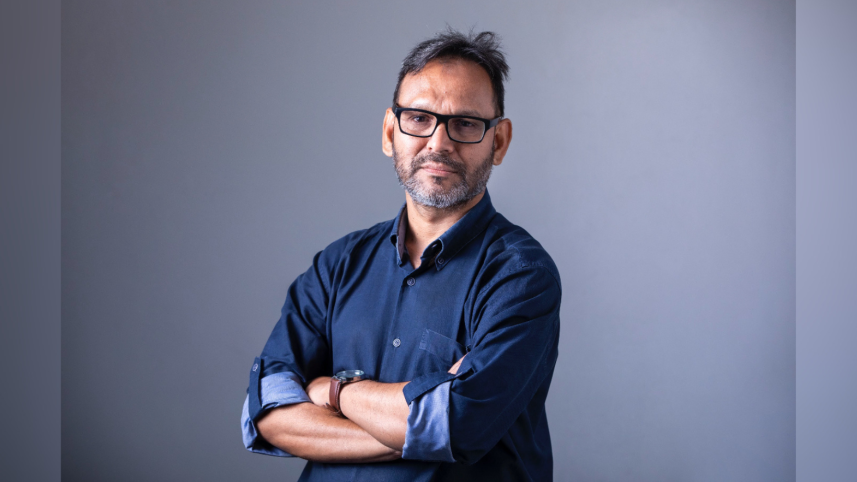
For director Mohammad Nuruzzaman, filmmaking has never been about chasing box-office success. Every film he has made has grown out of lived experiences, familiar faces and places that have stayed with him over the years. From “Aam Kathaler Chhuti”, inspired by the bedtime stories he used to tell his young daughter, to his latest feature “Mastul”, which is released today, his work is driven by an unwavering belief in authentic storytelling.
After an impressive run on the international festival circuit, “Mastul”, starring Fazlur Rahman Babu, is finally set to meet Bangladeshi audiences. In conversation with The Daily Star, Nuruzzaman reflects on the deeply personal origins of the film and more.
Since its world premiere, Mohammad Nuruzzaman's "Mastul" (Beyond the Mast) has built an impressive international festival journey.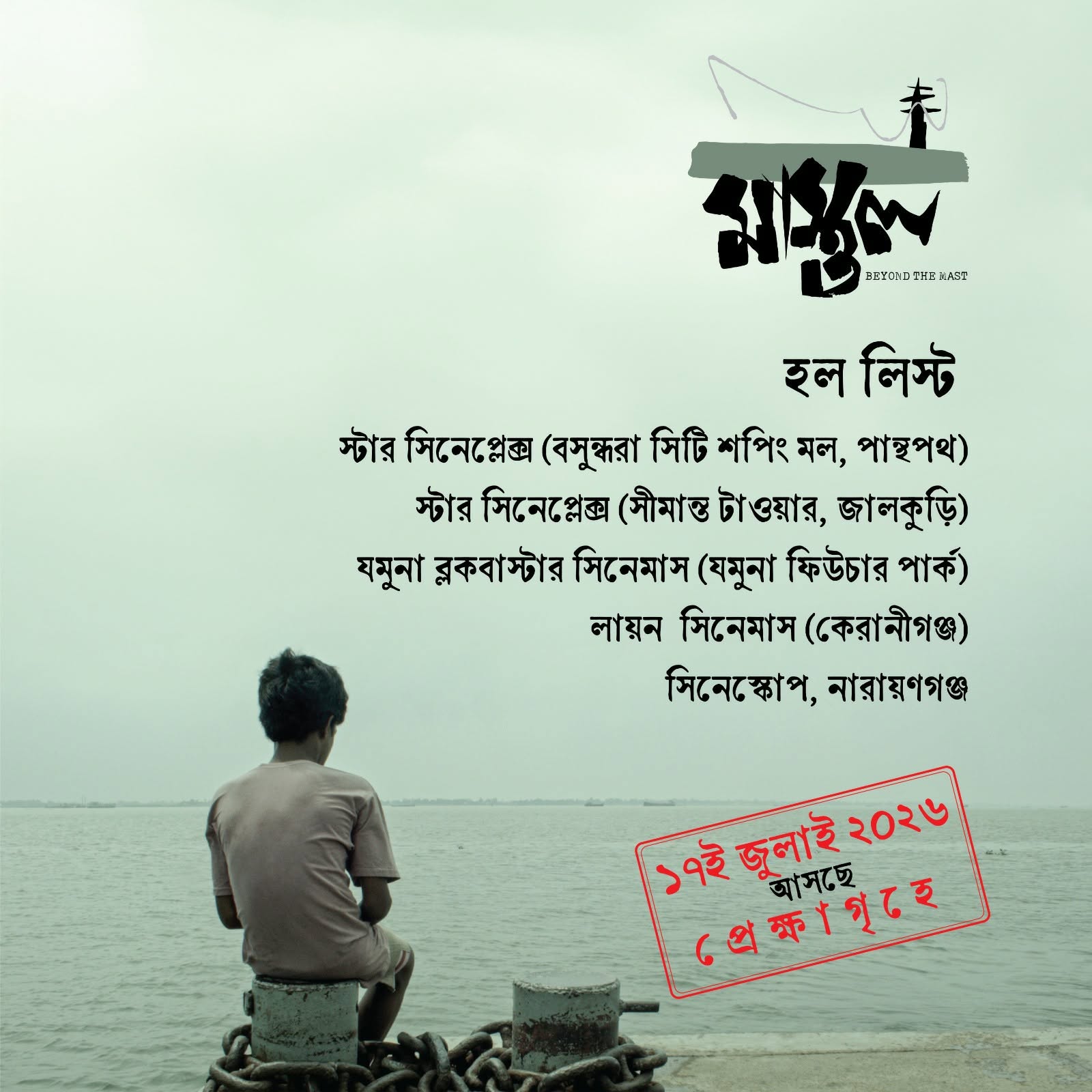
“Mastul” had its World Premiere in the Main Competition, at the 47th Moscow International Film Festival (Russia), where it represented Bangladesh and received strong acclaim from critics and audiences.
Then at the Cheboksary International Film Festival (Russia), the film had an Official selection and screening.
Later, it was officially selected at the 21st Kazan International Film Festival (Russia), continuing its journey to the 24th ImagineIndia International Film Festival (Spain) – Official selection and nominated for the Best Humanitarian Film Award. Director Mohammad Nuruzzaman received an official invitation to attend the festival.
It is also scheduled to be screened at the 4th World Film Festival, Kolkata (India) in the Official Selection, with screenings scheduled from 15–21 August at Nandan, Kolkata.
Like ‘Aam Kathaler Chhuti’, is ‘Mastul’ also a deeply personal story?
Every film I make is personal. ‘Aam Kathaler Chhuti’ came from stories I used to tell my daughter when she was about six years old. One day I wondered what those stories would look like on screen.
‘Mastul’ is completely different in tone, but it's just as personal. I was born in Narayanganj, home to Bangladesh's largest river port. Since childhood, I've grown up watching people who work on ships and along the Shitalakshya River. They aren't strangers to me—they're people I know and understand.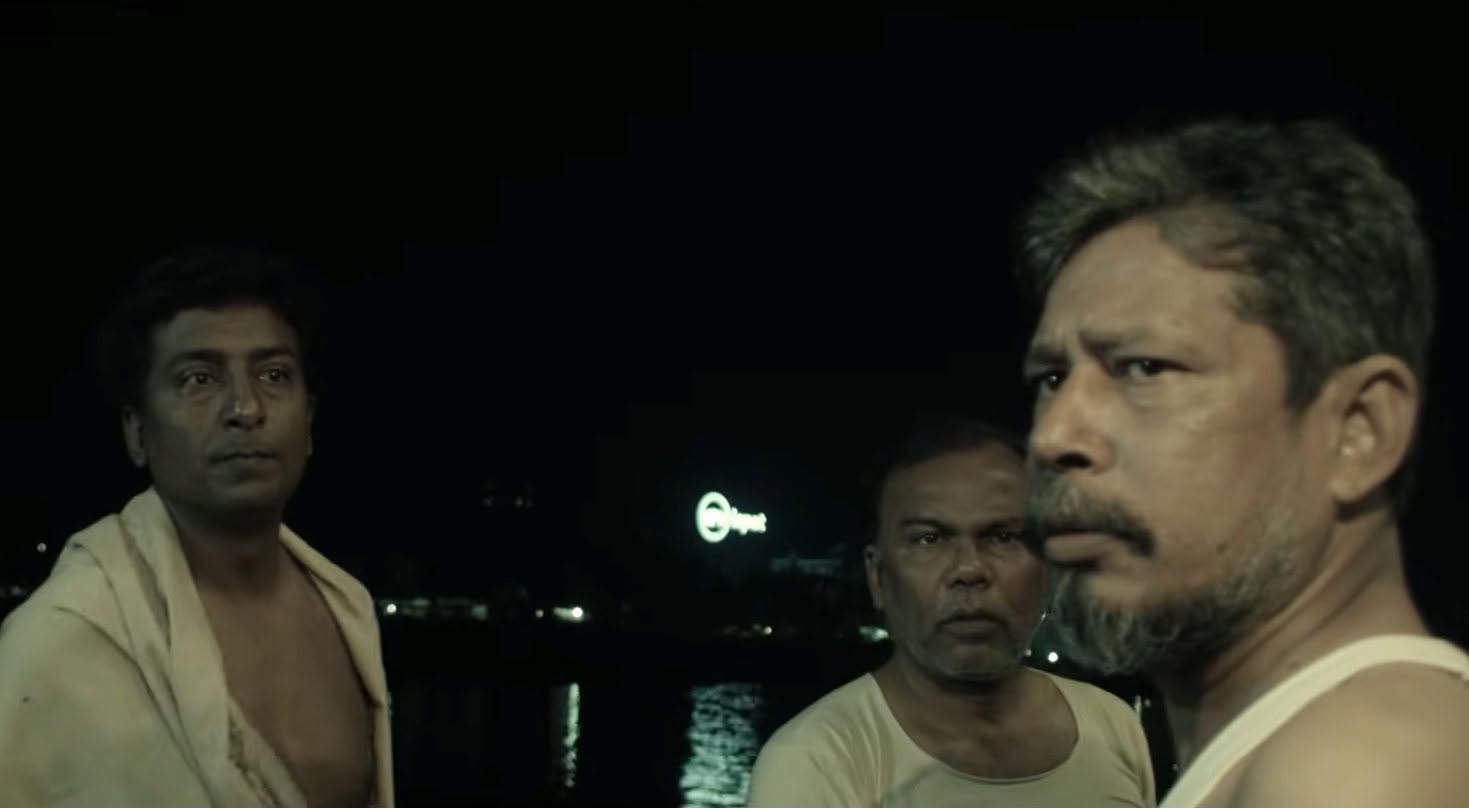
One afternoon, while sitting beside the river, an idea came to me. An oil tanker docked nearby to refuel, and my friend, filmmaker Juboraj Shamim, suggested we climb aboard because he had never been on a ship before. We began speaking to the crew and, by coincidence, the vessel developed engine trouble and remained docked for several days. We returned every day, observing their lives. Within a week, the outline of ‘Mastul’ had begun to take shape.
Many filmmakers today choose not to reveal too much about their films before release. However, you chose to reveal the plot…
If explaining the plot removes the audience's curiosity, perhaps the film shouldn't have been made in the first place.
For me, the story is only one part of cinema. What matters is how it's told and, more importantly, how it's experienced. Watching a film in a theatre is very different from watching it alone at home. Going to the cinema requires intention; in many ways, it's almost like meditation. I make films for audiences who value that experience.
Could you tell us the story behind casting your lead character?
The central character has almost no dialogue throughout the film. I initially wanted to cast a non-professional actor, but I also planned long, uninterrupted close-ups that relied entirely on facial expressions. That's incredibly demanding for someone without acting experience.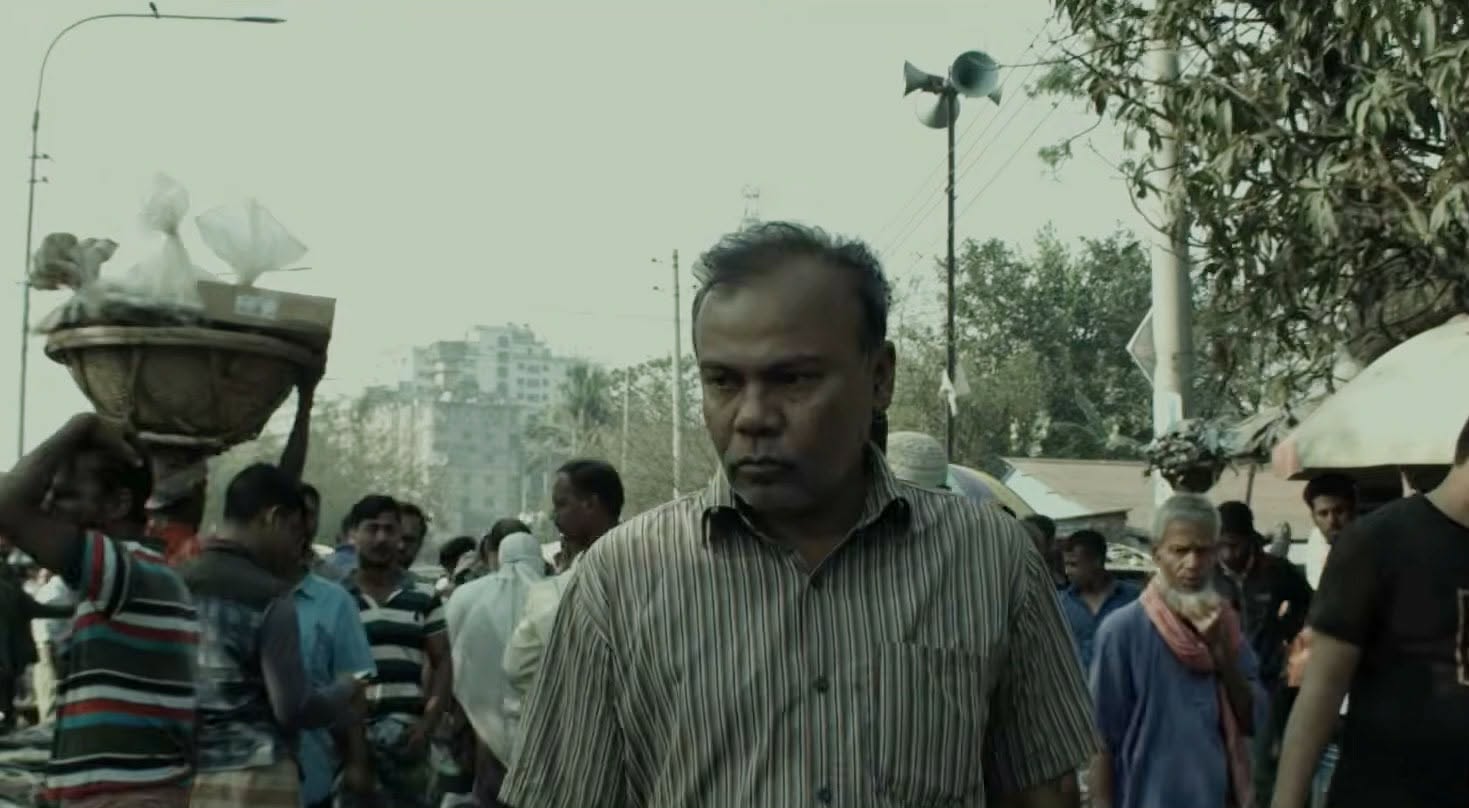
Eventually, I cast Fazlur Rahman Babu and surrounded him with a mix of professional and non-professional performers. The combination worked beautifully. When we screened the film at the Moscow International Film Festival, many people assumed everyone on screen was an actual ship worker. That was perhaps the greatest compliment we could receive.
‘Mastul’ has travelled to several international film festivals. What has that experience taught you?
The encouraging thing is that Bangladeshi cinema now has continuity. Earlier, one Bangladeshi film might appear internationally, then another wouldn't follow for years. Today, our films are reaching festivals regularly, which means programmers are becoming familiar with Bangladesh as a filmmaking nation.
That's a significant advantage because festivals receive thousands of submissions but only select a handful. Familiarity helps.

At the same time, I think many young filmmakers make the mistake of submitting their films everywhere without understanding whether a particular festival is the right fit. Submission fees can be expensive, and repeated rejections become discouraging.
We also lack professionals who specialise in festival strategy and international distribution. In many countries, filmmakers don't manage these processes themselves. Dedicated sales agents and festival curators understand where each film belongs. Bangladesh needs to develop that expertise.
Instead of waiting for Eid, when most Bangladeshi films are released, you chose to release ‘Mastul’ during the off-season. Why?
Because cinema cannot survive on Eid alone. I say this not only as a filmmaker but also as someone who owns Cinescope, a cinema hall in Narayanganj. During Eid, eight or ten films often open at the same time, but there simply aren't enough screens. Many good films disappear after a week, and audiences quickly begin to think a film is already old. If releases were spread throughout the year, it would benefit filmmakers, exhibitors and audiences alike.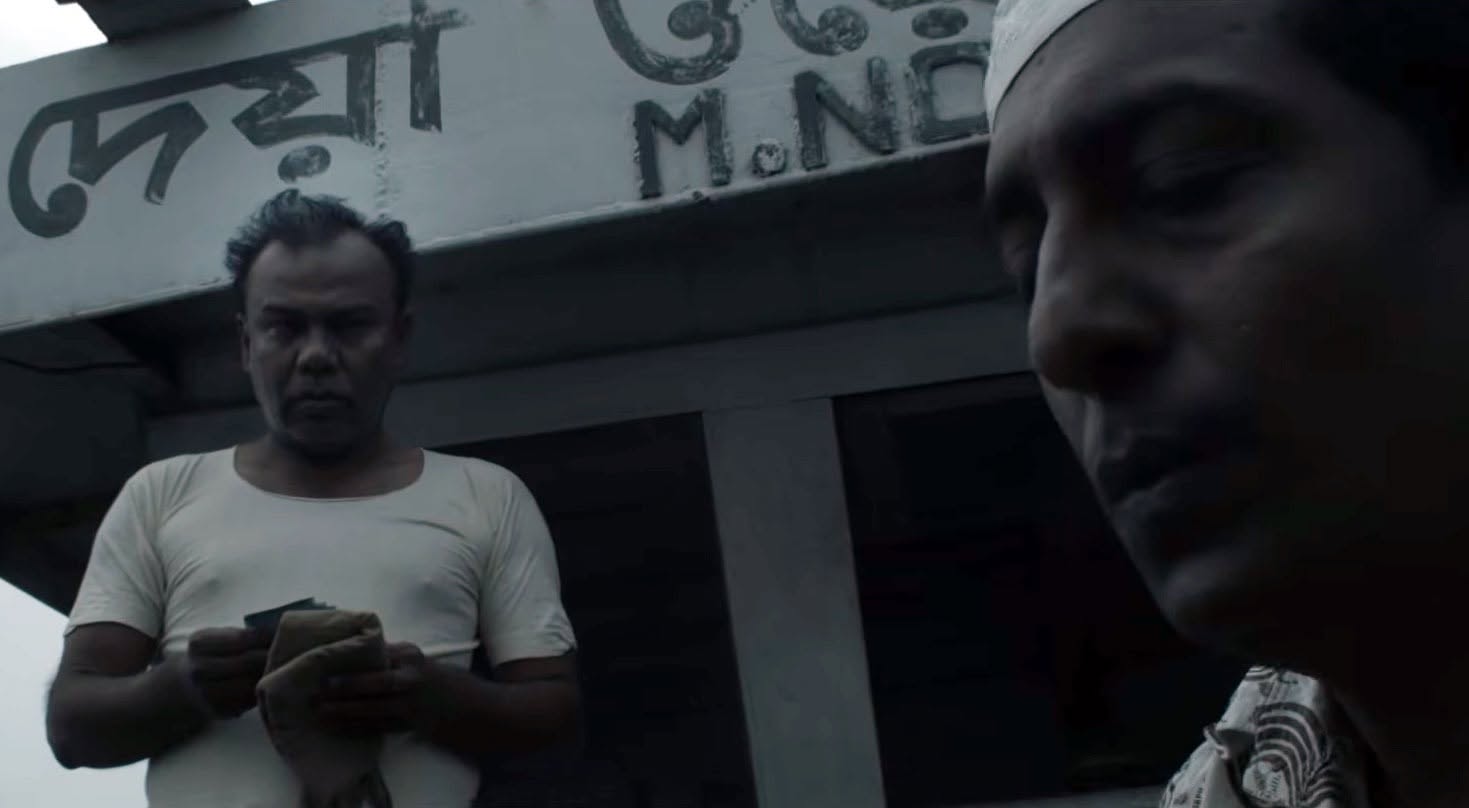
My dream is to establish small cinemas across Bangladesh—ideally one in every upazila. They don't have to be huge multiplexes. Even a 50-seat theatre can nurture an audience for independent Bangladeshi cinema. Someone living in Panchagarh should have the same opportunity to watch these films as someone in Dhaka.
You finance your own films. How difficult is that?
It's extremely difficult, but I don't wait for producers because I know how difficult it is to convince investors to back stories like these.
I simply work within my own limitations. For ‘Mastul’, renting an oil tanker for more than a month would have been impossible. Instead, I approached the shipping company honestly and explained the project. They agreed to let us use the vessel on one condition—we couldn't interfere with its regular operations.
That meant waiting days, sometimes even weeks, to shoot certain scenes because the ship had to continue its scheduled work. But filmmaking is about adapting to circumstances. If you remain honest about the story you want to tell and work within your means, you'll always find a way to make the film.

 For all latest news, follow The Daily Star's Google News channel.
Comments