


I received more than I ever asked for: Ferdousi Mazumder
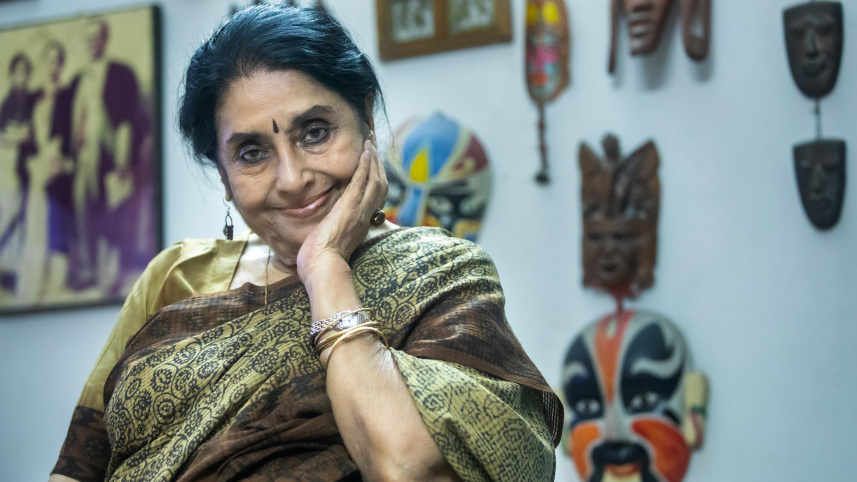
As she prepares to celebrate her birthday today (June 18), legendary actress and cultural icon Ferdousi Mazumder, born in 1943, reflects on a remarkable journey that spans theatre, television, radio, film, literature, and education. A recipient of both the Independence Award and the Ekushey Padak for her contributions to acting, she has also been honoured with the Bangla Academy Literary Award for her writing.
Recently, The Daily Star sat down with the veteran artiste at her residence for a candid conversation about love, legacy, theatre, and a life spent in service of the arts.

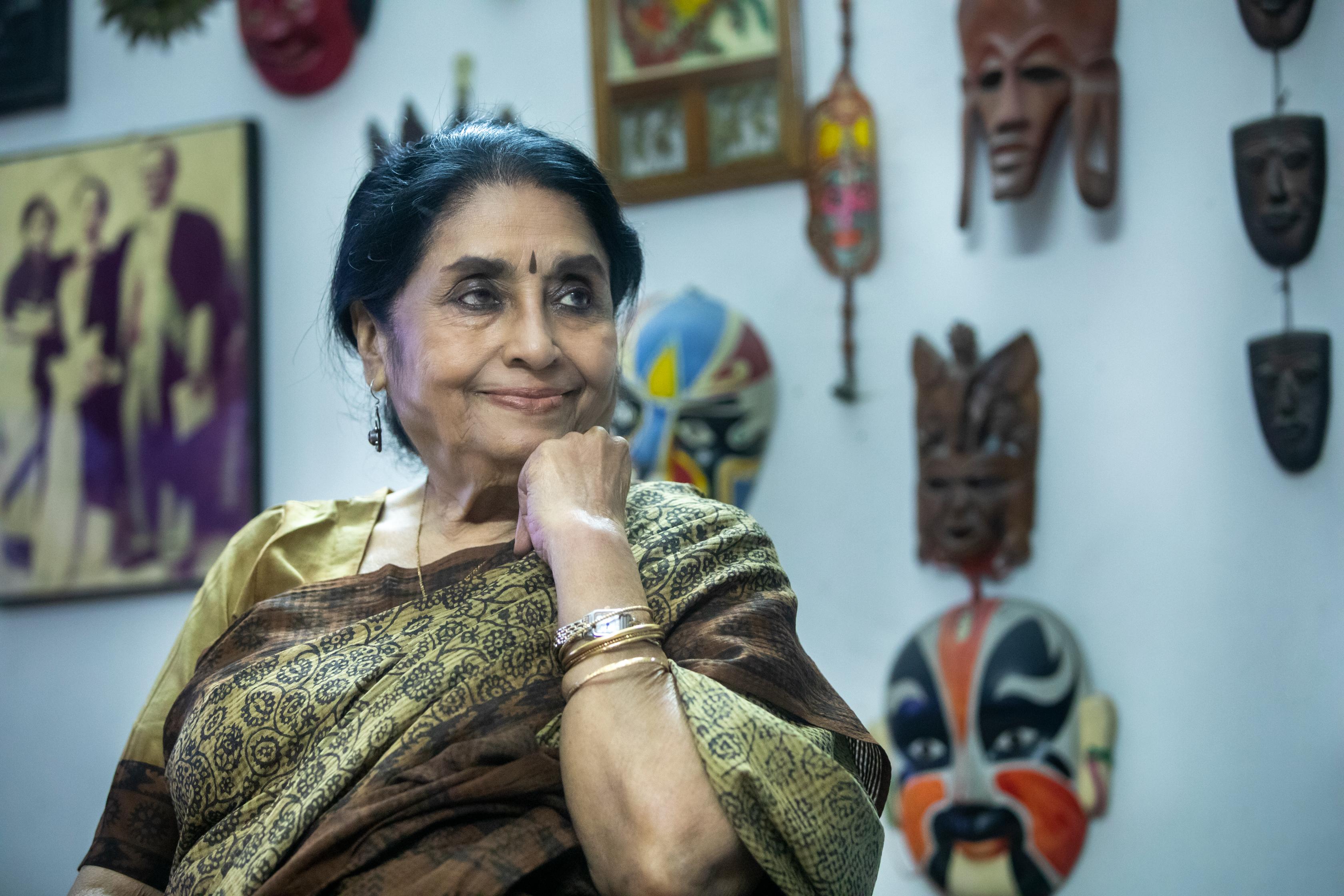
You are loved and admired by countless people. How do you feel about that?
Can that ever truly be put into words? I don't think it can. That's why I always say I have no regrets. I received far more than I ever hoped for. Sometimes I surprise myself and wonder what I did to deserve such affection from people. Then I think perhaps I must have done something right. I have been blessed beyond measure.
You have spent a lifetime pursuing art. What has that journey been like?
Honestly, I hardly noticed the years passing because I was always working. I have done countless productions on stage. Some plays were performed a hundred times, some even two hundred. “Payer Awaj Pawa Jay” was staged repeatedly. Thousands of people watched these productions and showered us with appreciation.
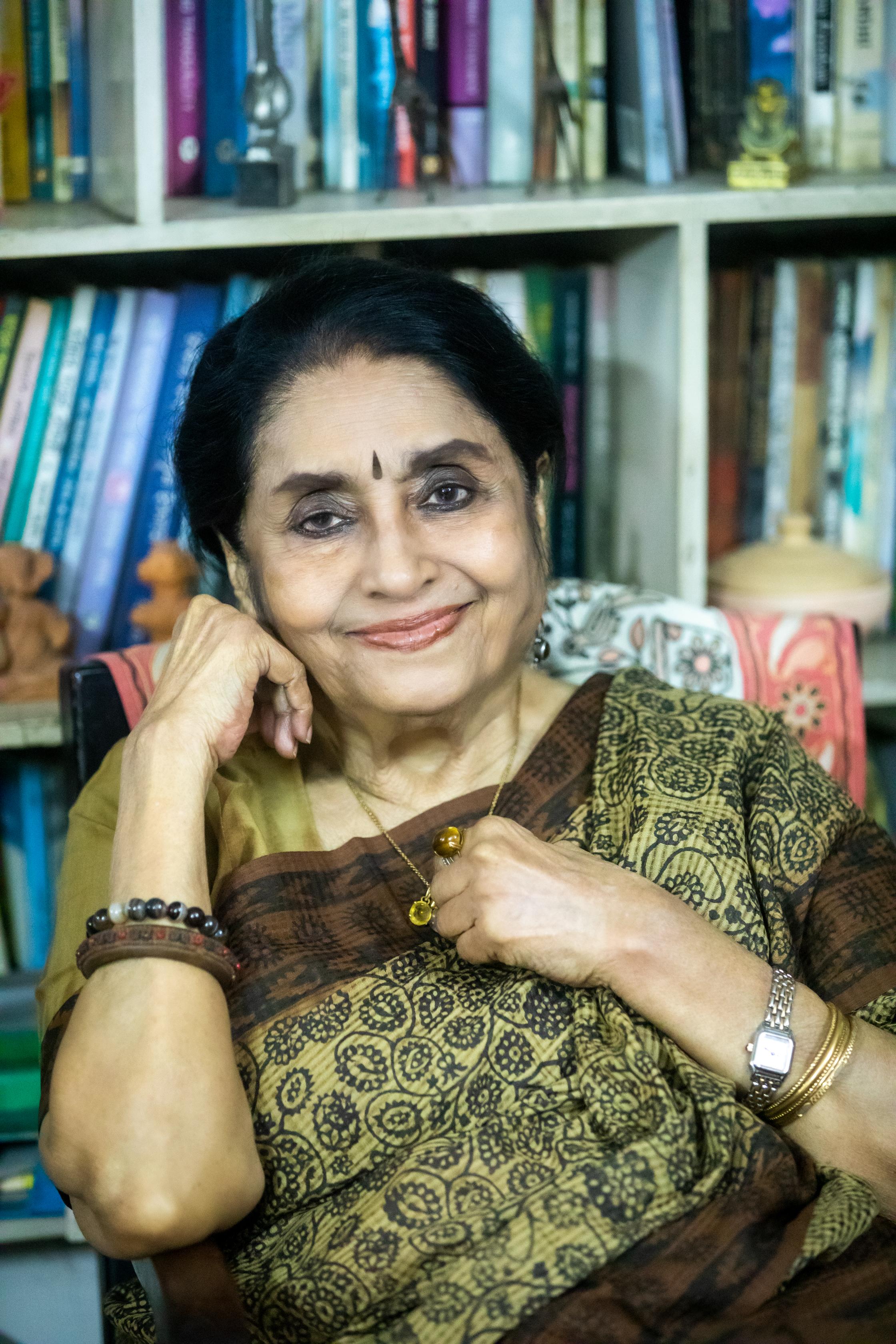
I have been fortunate to work in memorable productions such as “Meraj Fakirer Maa” and “Kokilara”, with outstanding writers and directors. Most of our productions were houseful. The audience embraced us with tremendous enthusiasm. The challenge today is that such productions have become increasingly rare.
What motivates you to continue acting after so many decades in the profession?
At my age, if someone creates a character appropriate for me, I would be delighted to do it. Age naturally affects one's energy and capacity. I have no interest in roles where I am simply placed in a corner with nothing meaningful to do. But if the role suits me and has substance, I would certainly consider it.
You are still involved in theatre. Yet theatre seems neglected despite Dhaka's vast population.
Theatre is perhaps the most neglected art form in the country. We don't have enough proper venues, and performers often cannot work with the energy and commitment they would like. Earlier generations of actors devoted immense labour, love, and dedication to a role. Today, that level of concentration is less common. Strong scripts remain the most important thing, but the shortage of performance spaces is also a major problem.
How would you describe Abdullah Al Mamun’s influence on your career?
It would have been very different without him. He cast me in numerous productions, including adaptations of Rabindranath Tagore's works. He constantly encouraged me and created new characters with me in mind. In fact, he sometimes wrote roles specifically after observing me. He had tremendous faith in my abilities, and his encouragement gave me confidence as an actress.
You worked with Humayun Faridee in ‘Shongshoptok’. How would you describe him?
Few acting talents have impressed me as much as Humayun Faridee. He possessed extraordinary natural ability. It saddens me that he left us so early. Sometimes I still think about how brilliantly he performed.
Beyond acting, he had a wonderful sense of humour. He could instantly transform the atmosphere of any room and make it more vibrant. At the same time, he was deeply respectful towards others. That combination was quite unique.
Your personal library is quite extensive. How would you describe your literary preferences?
Rabindranath Tagore has always been my greatest literary love. I began reading “Galpaguchchha” when I was a schoolgirl and was immediately captivated. I would marvel at how one person could excel in songs, poetry, drama, short stories, and novels. Even now, I sometimes think that if I spent my entire life reading only Rabindranath, I would still be content. My admiration for him is immense.
You have worked across radio, film, television, and theatre. Which medium is closest to your heart?
Undoubtedly, theatre. It is where I find the greatest artistic fulfillment.
 For all latest news, follow The Daily Star's Google News channel.
 Between Bangladesh and West Bengal, whose theatre tradition is stronger, according to you?
They began earlier than we did. We came later and have faced many challenges. Theatre requires financial support, and patronage is often lacking here. Even when support exists, it is not always sufficient. Most of the time, we finance productions ourselves. We do it because we love theatre. Financial losses never become the primary concern.
You have acted under the direction of your daughter, Tropa Majumdar. How was that experience?
She has beautiful ideas and a very thoughtful creative vision. Whether the director is your daughter, son, friend, or someone much younger than you, a director is still a director. Their authority must be respected.
I have performed in “Love Letters” under Tropa's direction and earlier worked with her in “Mukti”. Every artiste should respect the director's vision. Sometimes she even scolds me during rehearsals—telling me I've forgotten my glasses!
You and your daughter share the same birthday…
It used to be incredibly exciting. Before she had her own family, she was always with me. As soon as the clock struck midnight, the celebrations would begin. There would be laughter, excitement, and a great deal of joy. Sharing a birthday with my daughter feels very special. It is a unique happiness that is difficult to describe.
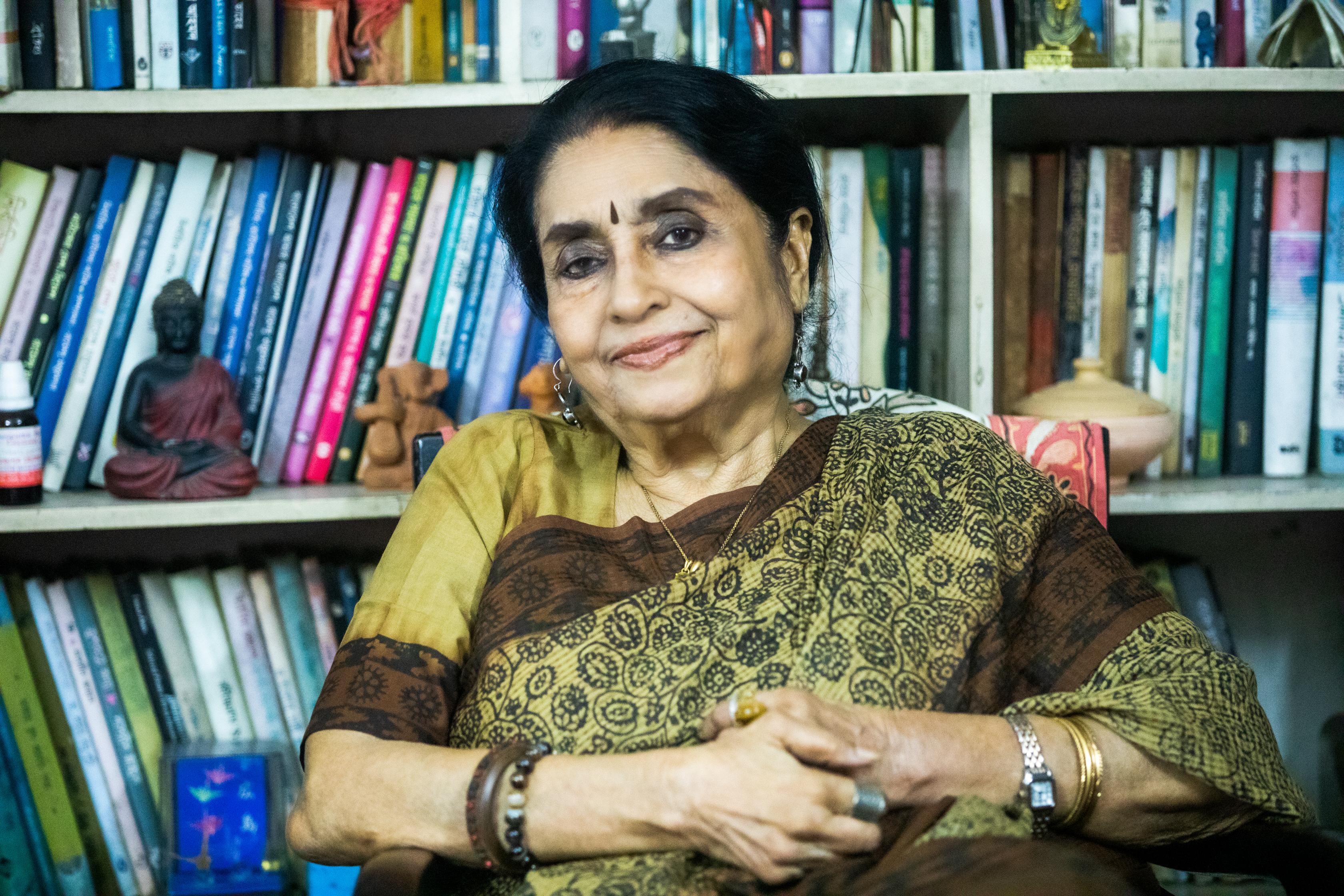
You also spent many years as a teacher. How do you remember that chapter of your life?
It was a wonderful period. Teaching is a deeply respected profession, and I was privileged to be part of it for many years. Even today, former students greet me with such warmth and respect.
One former student once reminded me that I used to allow chocolates in class and spend time chatting with them. The fact that they still remember those little moments means so much to me. I taught at Azimpur Agrani Bank School, Willes Little Flower School, and Sunbeams School. Those were truly happy days.
You received the Bangla Academy Literary Award for your writing. How did writing enter your life?
At a certain point, I felt compelled to write. I wanted to preserve memories—of my parents, my siblings, and the people who shaped my life. That led me to write “Mone Pore”, among other works. I also wrote “Obhinoyjibon Amar” and another memoir. Writing became a way of safeguarding memories for future generations.
Do you still have plans for theatre?
Acting is an addiction for me. Whether it is on stage or television, performing has been my life's work. I have spent my entire life acting, alongside teaching. As long as I can, I would like to continue.
Finally, how significant has Ramendu Majumdar's contribution been to your journey?
His contribution has been invaluable. He enormously encouraged me and stood beside me throughout everything I did. His support has been one of the greatest blessings of my life.
Comments