Microplastics in Bangladesh’s fish: A growing threat to public health
Microplastics are plastic particles smaller than 5 mm that originate from the breakdown of larger plastic products or from intentionally manufactured micro-sized plastics used in consumer products. Over the past decade, microplastics have become a major environmental concern worldwide due to their persistence, widespread distribution, and potential impacts on ecosystems and human health. In Bangladesh, rapid urbanisation, population growth, poor waste management, and the extensive use of plastic products have significantly increased the presence of microplastics in the environment. Rivers, wetlands, coastal waters, and agricultural areas act as reservoirs and transport pathways for these particles. As a result, microplastics are increasingly entering the food chain, especially through aquatic ecosystems, agricultural products, and processed foods.
Recent scientific studies have demonstrated that microplastics are present in water, sediments, fish, salt, soft drinks, milk, edible oil and other food products in Bangladesh, underscoring the growing concern that these pollutants are transferred to humans through food.
Bangladesh is particularly vulnerable to microplastic pollution due to its dense river network, heavy reliance on fisheries and aquaculture, and inadequate plastic waste management systems. Plastic debris from urban areas, industrial discharges, packaging materials, fishing gear, and household waste often ends up in rivers such as the Buriganga, Turag, Padma, and Meghna. These plastics gradually degrade into smaller fragments due to physical, chemical, and biological processes. Once fragmented, microplastics can remain suspended in water, settle in sediments, or be ingested by aquatic organisms. Studies indicate that aquatic environments in Bangladesh contain measurable levels of microplastics in both water and sediment, with an average of about 4.92 particles per litre in water and approximately 118 particles per kilogram in sediments. These values demonstrate that microplastics are now a ubiquitous pollutant in aquatic ecosystems.
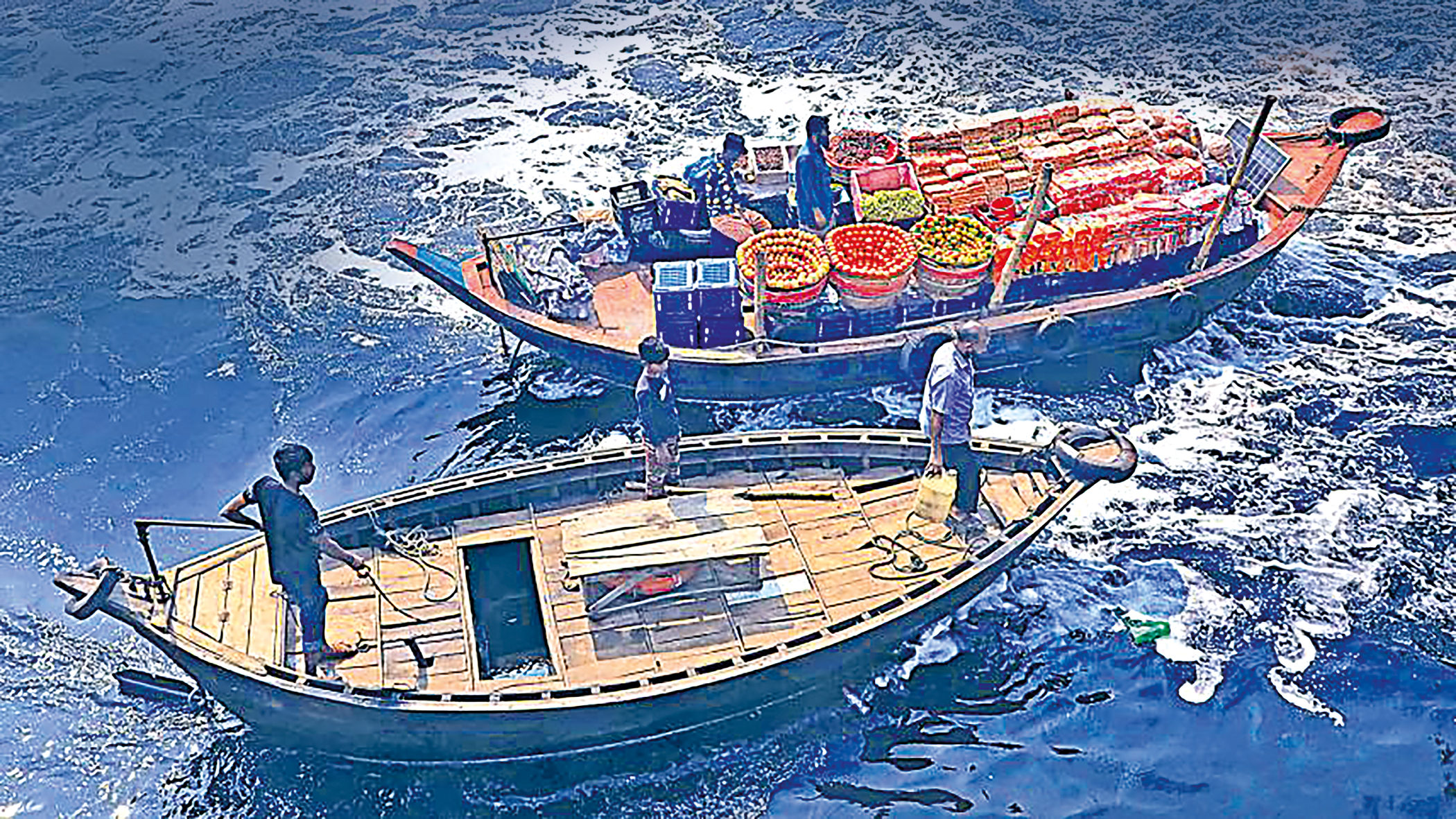
Aquatic organisms are particularly vulnerable to microplastic contamination because they interact directly with polluted water and sediments. Fish, shellfish, and other aquatic organisms may ingest microplastics accidentally while feeding or by absorbing polluted particles from their surroundings. Once ingested, these particles may accumulate in the digestive system, gills, or even muscle tissues. The Hydrobiogeochemistry and Pollution Control Laboratory of Jahangirnagar University first identified microplastics in freshwater fish.
Research on freshwater fish species in Bangladesh found that microplastic pollution is widespread in both wild and farmed populations. In one study examining several commercially important fish species from rivers and fish markets, approximately 73% of the examined fish contained microplastics in their gastrointestinal tracts. These findings demonstrate that pollution is already widespread in commonly consumed fish species, raising concerns about human exposure through dietary intake.
Studies investigating fish from rivers such as the Padma, Turag, and Bhairab found microplastics in both farmed and wild fish populations. About 66.7% of farmed fish samples and 88.4% of wild fish samples contained microplastics in their digestive systems, indicating that pollution occurs regardless of production method. The higher pollution observed in wild fish may be linked to their direct exposure to polluted natural waters where plastic debris accumulates. These results demonstrate that microplastic pollution has become widespread across aquatic ecosystems and has entered the human food chain through fish consumption.
The Meghna River estuary, one of the most important fishing grounds in Bangladesh, has also been found to contain significant levels of microplastics in fish species. A study examining several estuarine fish species found that more than 80% of the sampled fish contained microplastics in their gastrointestinal tracts. The average abundance was approximately seven microplastic particles per fish, indicating substantial exposure in estuarine environments. Polyethylene, polypropylene, and nylon were identified as the most common polymer types, reflecting the dominance of plastic packaging materials, fishing gear, and household plastic waste in the region. The majority of these particles were fibres and small fragments, which are easily ingested by fish during feeding activities.
Microplastics are present not only in the digestive systems of fish but also in edible tissues such as muscle. This is particularly concerning because humans typically consume fish muscle rather than digestive organs.
Research on king mackerel from the lower Meghna estuary revealed microplastics in multiple tissues, including gills, digestive tracts, and muscle tissues. The study detected an average of approximately 48 microplastic particles per fish, with measurable quantities present in edible muscle tissue. The presence of microplastics in muscle tissue indicates that these particles can move beyond the digestive tract and become incorporated into edible parts of fish, increasing the risk of human exposure.
Wetland ecosystems also play a significant role in the transfer of microplastics into the Bangladeshi food chain. Wetlands such as Chalan Beel and haor ecosystems are important sources of fish and other aquatic foods for local communities. Investigations into seasonal freshwater wetlands revealed that microplastics were present in water, sediments, and fish species within these ecosystems. The research showed that demersal fish species that feed close to the sediment tend to accumulate more microplastics than pelagic fish species. Additionally, dried fish samples contained higher concentrations of microplastics than fresh fish, suggesting that processing and environmental exposure during drying may contribute to further contamination.
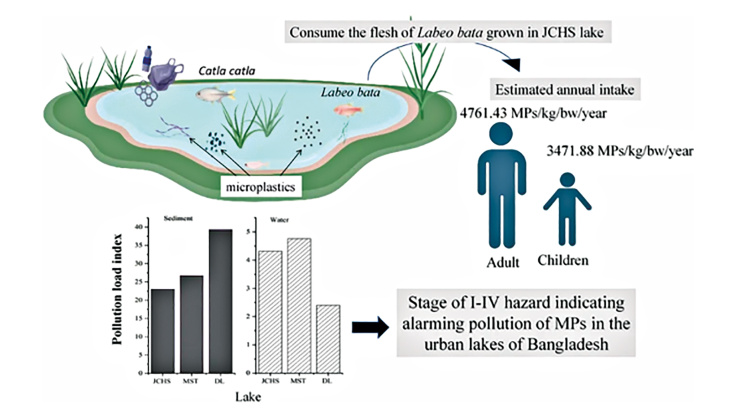
Aquaculture systems, which play a major role in Bangladesh’s food supply, have also been identified as potential sources of microplastic pollution. Fish ponds and aquaculture facilities often receive water polluted with plastic debris and microfibres from the surrounding environment. Studies have shown that microplastics are present in aquaculture pond water at concentrations ranging from approximately 1 to 3 particles per litre. Furthermore, fish raised in these ponds were found to contain microplastics in their gills and digestive tracts, suggesting that aquaculture products may also serve as pathways for human exposure to microplastics.
Another important pathway for microplastic entry into the food chain is polluted fish feed. Commercial fish feeds used in aquaculture may contain microplastic particles due to contamination during manufacturing or packaging. Research examining fish feed samples in Bangladesh detected thousands of microplastic particles per kilogram of feed. As fish consume this feed, they may ingest significant amounts of microplastics throughout their growth. It has been estimated that farmed tilapia could ingest more than 260 microplastic particles through feed during a typical 20-week cultivation period. This demonstrates that aquaculture practices themselves may contribute to the accumulation of microplastics in fish consumed by humans.
The types of microplastics found in Bangladeshi aquatic ecosystems vary in shape, size, colour, and polymer composition. Fibres are the most commonly observed form of microplastic, often originating from synthetic textiles and fishing nets. Fragments and films derived from degraded plastic packaging materials are also frequently detected. The most common polymer types include polyethylene (PE), polypropylene (PP), polystyrene (PS), polyethylene terephthalate (PET), and nylon. These plastics are widely used in packaging, containers, bottles, fishing gear, and household items, explaining their prevalence in aquatic environments.
Several factors contribute to the widespread distribution of microplastics in Bangladesh. One of the most significant drivers is inadequate plastic waste management. Large quantities of plastic waste are generated daily in urban areas, and much of it is improperly disposed of. During rainfall and flooding events, plastic debris is transported into rivers and canals, where it gradually breaks down into microplastics. Textile industries and domestic washing activities also release large quantities of synthetic microfibres into wastewater systems, which eventually reach natural water bodies. Agricultural runoff, fishing activities, and tourism-related waste further contribute to the spread of microplastics in aquatic environments.
The entry of microplastics into the food chain raises serious concerns about potential health impacts on humans. When humans consume microplastic-polluted fish or other food products, microplastics may enter the digestive system. Although many particles may be excreted, smaller particles can penetrate tissues and enter the bloodstream. Some microplastics may also carry toxic chemicals or heavy metals that adhere to their surfaces. Studies have shown that microplastics found in fish feed may carry metals such as lead, nickel, and cobalt, which could pose additional risks to both fish and human consumers.
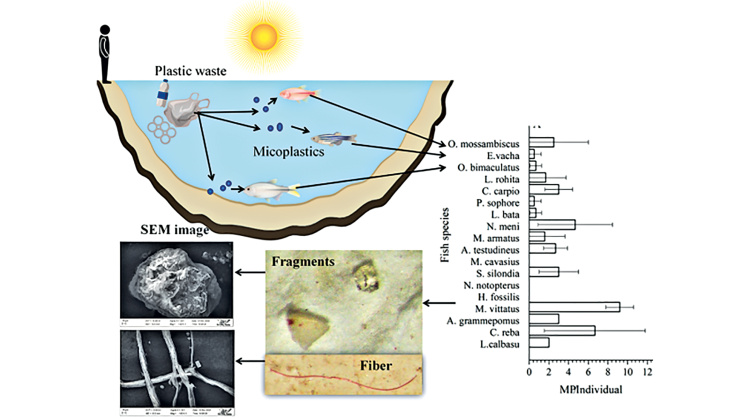
Microplastics may also act as carriers of harmful microorganisms and organic pollutants. Their surfaces can adsorb persistent organic pollutants, pesticides, and industrial chemicals from the surrounding water. When ingested by organisms, these pollutants may be released into tissues, potentially causing toxic effects. Laboratory studies have demonstrated that exposure to microplastics can induce oxidative stress, inflammation, and immune responses in aquatic organisms. These effects may impair growth, reproduction, and survival in fish populations, ultimately affecting fisheries productivity and food security in Bangladesh.
Another concern associated with microplastics in fish is bioaccumulation and biomagnification. Smaller organisms, such as plankton, may ingest microplastics from the water and are subsequently consumed by larger organisms, such as fish and crustaceans. As microplastics move up the food chain, they may accumulate at higher trophic levels. Humans, being at the top of many food chains, may therefore experience higher levels of exposure through dietary intake. Although the long-term health impacts of microplastic ingestion in humans are still being studied, scientists are increasingly concerned about their potential role in chronic diseases and physiological disturbances.
In Bangladesh, seafood and freshwater fish are major sources of dietary protein for millions of people. As a result, pollution of fish with microplastics could have significant implications for public health. Fish species such as catla, rohu, pabda, and various estuarine fish are widely consumed across the country. Since microplastics have been detected in these species in both wild and farmed environments, it is likely that human exposure is already occurring through regular dietary habits. Furthermore, dried fish products, which are popular in coastal and rural areas, may contain even higher concentrations of microplastics due to environmental pollution during drying and processing.
Addressing microplastic pollution in fish requires a comprehensive approach that includes environmental management, policy interventions, and public awareness. Improving waste management systems is one of the most critical steps towards reducing plastic pollution. Proper collection, recycling, and disposal of plastic waste can significantly reduce the amount of debris entering rivers and coastal waters. Government initiatives aimed at reducing single-use plastics and promoting biodegradable alternatives could also help limit the generation of microplastic particles.
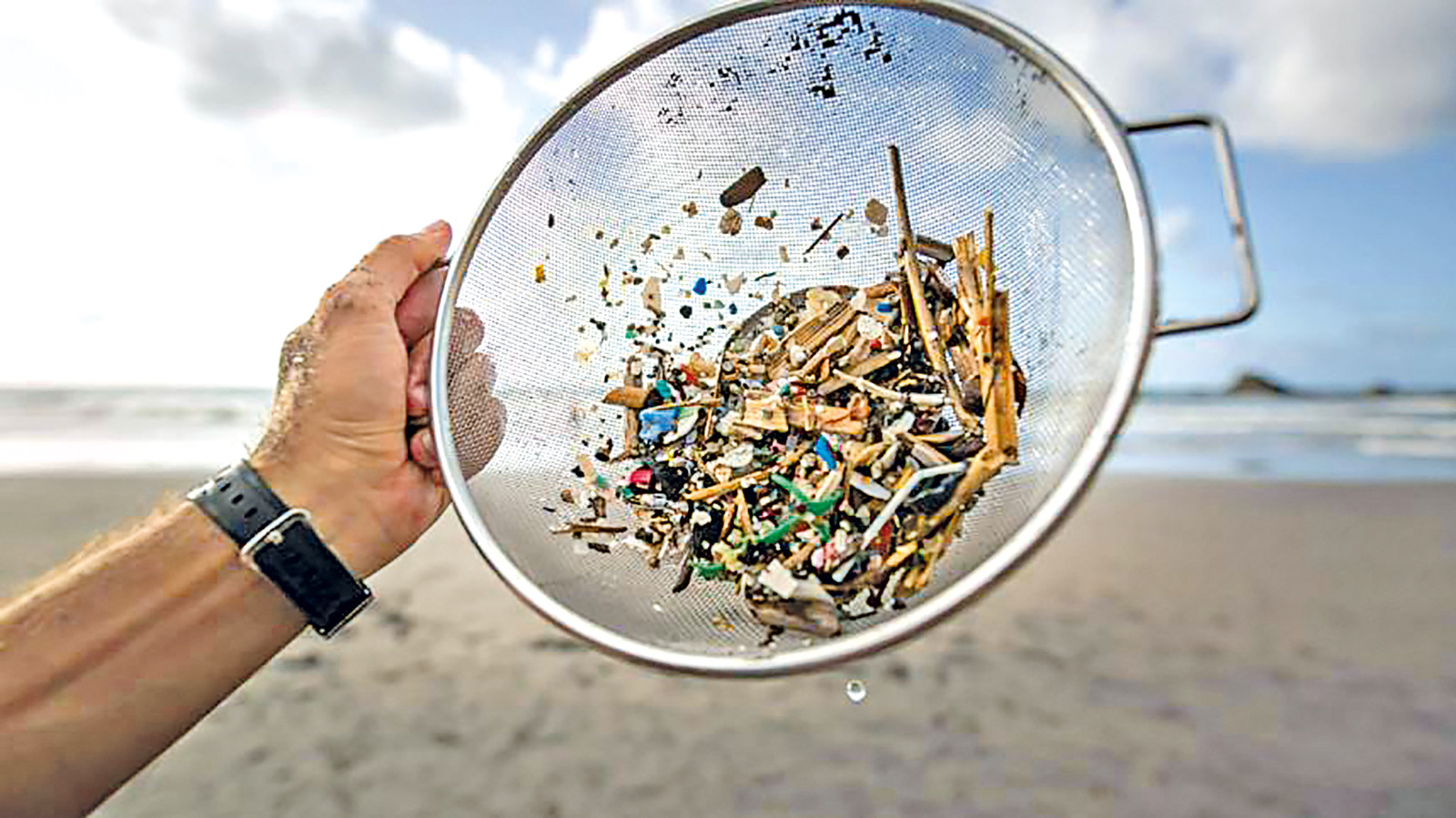
Wastewater treatment systems also play a crucial role in controlling microplastic pollution. Many wastewater treatment facilities can remove large plastic particles but may be less effective at capturing microplastics and microfibres. Upgrading wastewater treatment technologies and implementing filtration systems could help reduce the release of microplastics into aquatic environments. Industrial regulations are also necessary to ensure that textile factories and manufacturing facilities treat their wastewater effectively before discharge.
In addition to technological and regulatory measures, public awareness and behavioural changes are essential for reducing plastic pollution. Educating communities about the environmental impacts of plastic waste can encourage responsible disposal practices and reduce littering. Promoting reusable bags, containers, and packaging materials can also help decrease plastic consumption. Local community initiatives, such as river clean-up programmes and recycling campaigns, can help reduce plastic debris before it breaks down into microplastics.
Further research is also necessary to better understand the extent and impacts of microplastics in Bangladesh. Although several studies have documented microplastic contamination in fish and aquatic environments, significant knowledge gaps remain. For example, more research is needed to quantify human exposure levels, assess long-term health effects, and identify the most effective mitigation strategies. Expanding monitoring programmes across different regions of Bangladesh would also help provide a more comprehensive understanding of microplastic distribution and trends.
Collaboration between scientists, policymakers, industry stakeholders, and local communities will be essential for addressing this emerging environmental challenge. International cooperation may also be beneficial, as microplastic pollution is a global problem that transcends national boundaries. By sharing knowledge, technologies, and best practices, countries can work together to reduce plastic pollution and protect food systems from contamination.
In conclusion, the persistence and potential toxicity of microplastics underscore the need for urgent action to reduce plastic pollution and protect environmental and human health. Through improved waste management, stricter environmental regulations, increased public awareness, and continued scientific research, Bangladesh can take important steps to mitigate microplastic pollution and safeguard its most important protein sources for future generations.
Dr Shafi Mohammad Tareq is a Professor at Department of Environmental Sciences at Jahangirnagar University and a Chartered Environmentalist (UK).
Send your articles for Slow Reads to slowreads@thedailystar.net. Check out our submission guidelines for details.

The invisible Mintis of Karwan Bazar
Republic of the footpath

The dreams of girls in a Bangladesh river char

Can Bangladesh bring back the Chakaria Sundarbans?

Who protects women in Bangladesh's gig economy?

Bangladesh’s climate-displaced / From lost homes to life in Dhaka’s slums

Buried by development: The human cost of river dredging in Dumuria
Char contracts: Surviving river erosion without the state

When extreme heat becomes a death trap for Bangladesh’s workers