When Chuck Norris died, the myth kept standing

There are men who inhabit the screen, and then there are those who seem to stride out of it, carrying with them an aura so formidable that fiction itself appears to yield.
Chuck Norris epitomised the latter.

His death at the age of 86, announced by his family on Friday, feels less like the extinguishing of a life and more like the dimming of a phenomenon that had, for decades, masqueraded as indestructible.
The family’s words, composed with a quiet dignity, resist the bombast that his cinematic persona invited. They remember him not as an invincible force but as a “devoted husband, a loving father and grandfather, an incredible brother, and the heart of the family”.
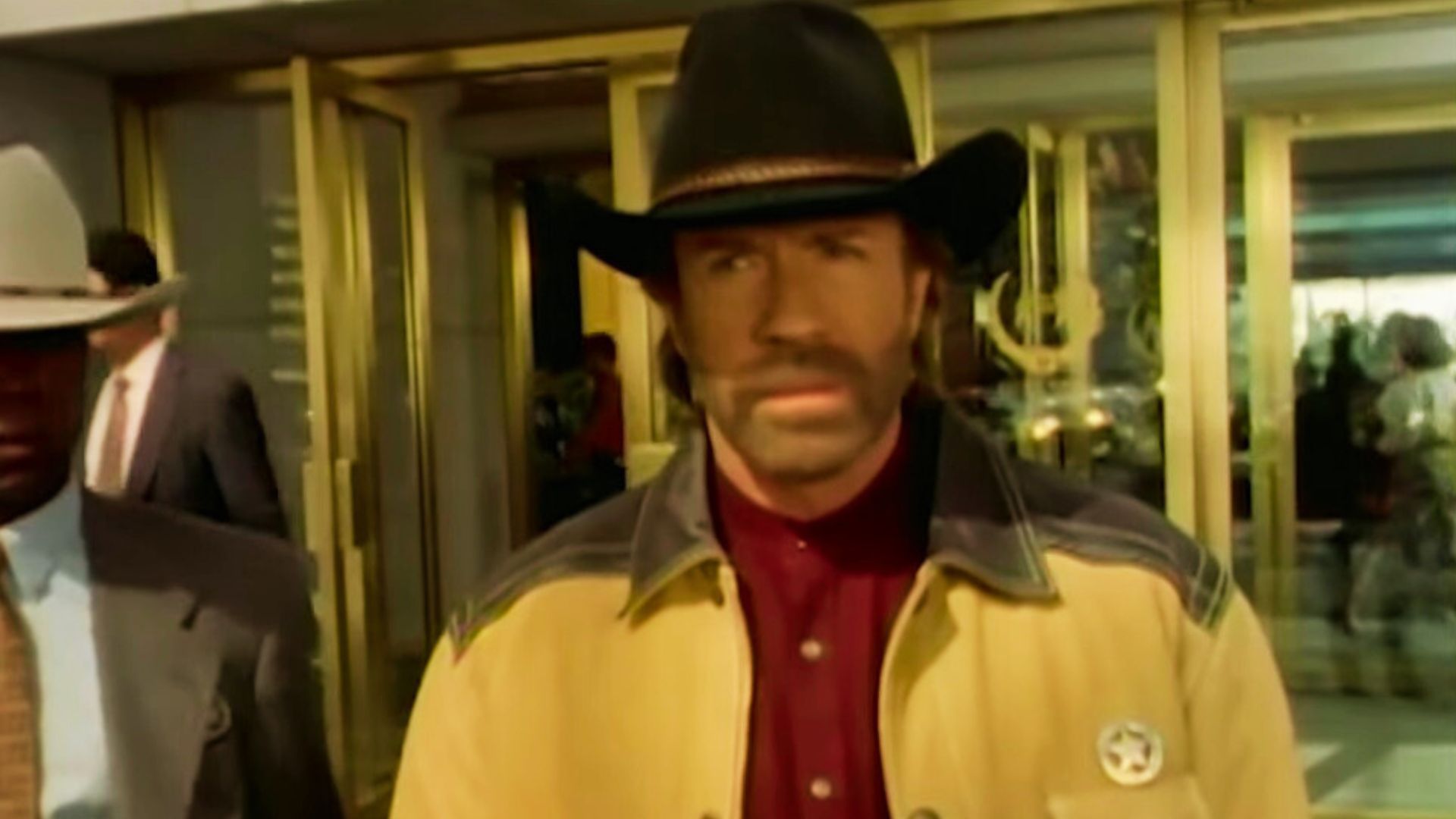
It is a reminder, perhaps necessary, that behind the folklore stood a man of flesh, sentiment and domestic gravity.
Yet the dissonance persists.
For how does one reconcile mortality with a figure who, in the popular imagination, seemed constitutionally immune to it?
Long before Hollywood discovered his cinematic potency, Norris had chiselled his reputation in the unforgiving arena of martial arts.
A world champion, adorned with black belts across disciplines, he cultivated not merely skill but an aesthetic of precision -- a kind of disciplined ferocity that would later translate seamlessly to the screen.
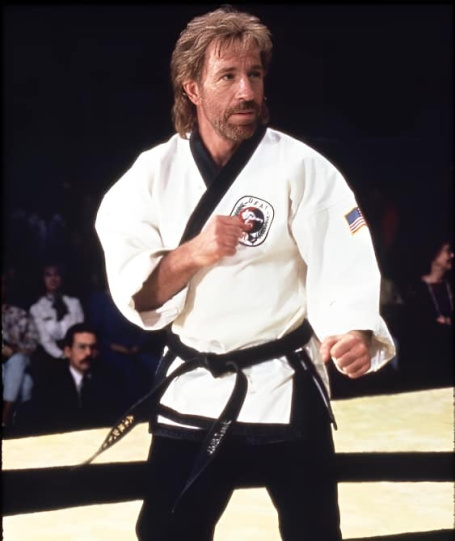
From his debut in Way of the Dragon against the legendary Bruce Lee, Norris's transition in the 1980s coincided with a cultural appetite for stoic, unyielding heroes.
In films such as Missing in Action, Norris did not so much act as embody a particular American archetype -- the lone warrior, morally unambiguous and physically supreme.
Yet it was television that rendered him ubiquitous.
In Walker, Texas Ranger, Norris found a role that fused his martial discipline with a moralistic cadence.
As Cordell Walker, he became both enforcer and exemplar, dispensing justice with a blend of physical authority and homespun rectitude.
It was, in essence, a weekly sermon delivered through the language of action.

And then, of course, came the jokes.
It is a peculiar fate for a man of such earnest discipline to be transmuted into an internet-age hyperbole, yet the “Chuck Norris facts” phenomenon achieved precisely that.
These were not mere jokes but a kind of digital folklore, exaggerations so extravagant that they looped back into a strange form of homage.
Few public figures have navigated such a transformation with comparable grace.
 For all latest news, follow The Daily Star's Google News channel.
 Where others might have bristled at caricature, Norris appeared to accept it with a tacit amusement. He understood, perhaps, that myth is a form of tribute. To be exaggerated is to be remembered.
What remains, then, is a silhouette that refuses to fade.
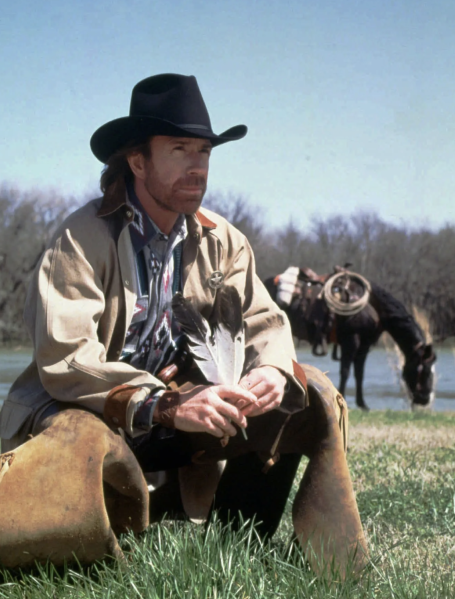
Norris’s legacy is much like the characters he played and the caricatures that were made of them.
There is the martial artist, disciplined and formidable. There is the actor, steady and iconic. And there is the myth, playful and indestructible.
In an age increasingly enamoured with complexity and moral ambiguity, Norris represented something almost archaic in its simplicity.
A belief in strength, in order, in the possibility that good could prevail not through debate but through decisive action.
It is tempting to dismiss such archetypes as relics, yet their endurance suggests a deeper resonance.

‘Mon Pakhi’ brings Santal life and culture to the screen

Away from acting for 14 years, Shabreen Shaka Meem now helps marginalised children

Not receiving a National Award for ‘Ora 11 Jon’ was painful for me: Nuton

Actress-director Mohsina Akhter ties the knot

‘Benuka’ brings Nazrul’s raga-based music to Shilpakala

Artcell evolves

Presenter Samia Afreen reveals second cancer diagnosis

Khairul Basar, Arpita Mitra star in new web-film ‘Tumito Cholei Jabe’

Dola Rahman, Niloy Ahmed team up for new dance number ‘Kismot’