On this day 120 years ago, still images learned to move

Early 20th century was an age of flicker and fascination, where audiences gathered in dimly lit halls to marvel at shadows that moved but did not yet quite live.
During that dawn of visual storytelling, artists and experimenters were not merely making films; they were probing the very limits of perception.

Could a drawing, bound by its own stillness, be persuaded to perform?
These were not idle curiosities but questions that flirted with the boundaries of art and illusion.
It was into this atmosphere of restless ingenuity that J. Stuart Blackton stepped, armed not with grand machinery but with chalk, patience, and a quietly radical imagination.
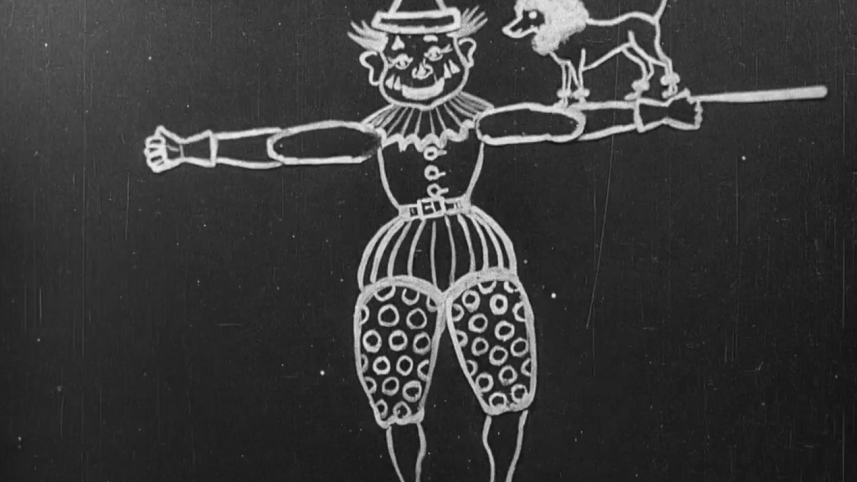
What he unveiled on April 6, 1906, in “Humorous Phases of Funny Faces”, did not announce itself with thunder. It arrived as a gentle astonishment.
And yet, in those flickering frames, something extraordinary stirred. Drawings did not just exist. They began, quite astonishingly, to live.
This was no mere technical flourish. It was an ontological shift.
Images, until then obediently still, acquired the uncanny faculty of motion.
A face drawn in chalk smiled, blinked, contorted, and dissolved into another expression as if possessed by some invisible animus.
The audience did not merely watch. It witnessed the germination of a new grammar of storytelling.
Ink, illusion and ingenuity
Blackton’s method was deceptively simple, though fiendishly ingenious.
Using stop-motion techniques, he photographed incremental alterations to drawings on a blackboard, creating the illusion of fluid movement when projected in sequence.
The result was not polished by modern standards, but therein lay its peculiar charm.
It was animation in its embryonic state, raw and experimental, yet brimming with possibility.
To modern eyes accustomed to the hyper-real polish of digital animation, the film might appear quaint. But to its contemporaries, it was sorcery.
 For all latest news, follow The Daily Star's Google News channel.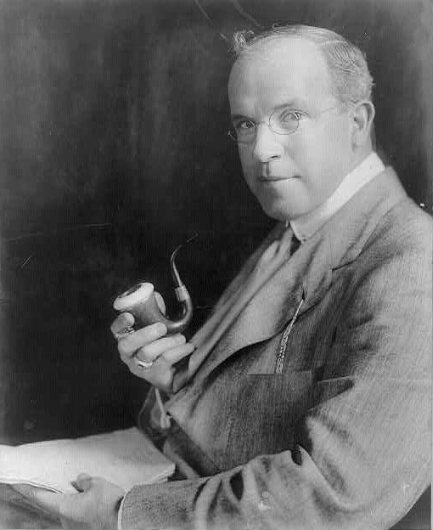
The chalk lines seemed to defy their own inert nature, pirouetting between form and formlessness. Blackton had, in effect, taught stillness how to dance.
It is tempting to relegate this moment to a footnote, overshadowed as it is by later giants of animation.
Yet this short film stands as a foundational artefact in the evolution of visual culture.
It prefigured an entire industry, one that would go on to birth icons, empires, and emotional universes.
A new language of laughter
The film’s humour, gentle and whimsical, relied on transformation.
Faces stretched, reshaped, and responded in ways that live-action cinema could scarcely replicate at the time.
It introduced a visual elasticity that would become the hallmark of animation.
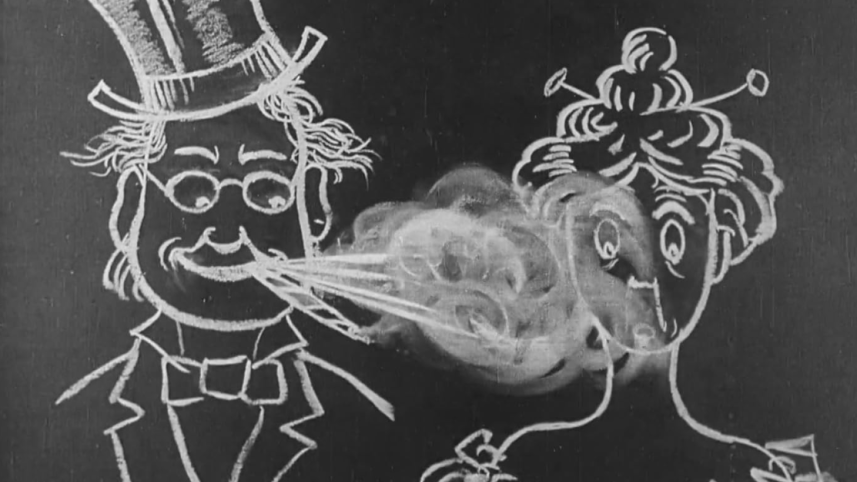
Exaggeration, distortion, metamorphosis. These were not just stylistic choices but narrative tools. Humour, in Blackton’s hands, became kinetic.
It moved, quite literally. The joke was not merely told. It unfolded, frame by frame, with a mischievous sense of timing that hinted at the sophisticated comedic rhythms animation would later master.
From flicker to forever
Today, animation is ubiquitous. It spans continents, genres, and technologies, from hand-drawn nostalgia to algorithmic precision.
Yet its lineage traces back to that modest blackboard and those flickering frames.
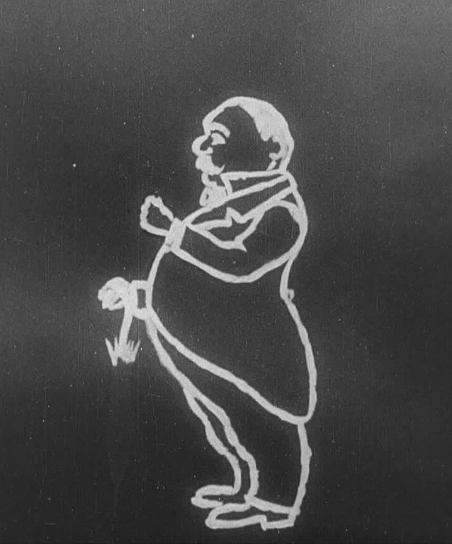
Blackton may not have fully grasped the magnitude of what he had set in motion. Few pioneers ever do.
But he gave movement to the immobile and laughter to the inanimate. In doing so, he did not just animate drawings. He animated possibility.

‘Mon Pakhi’ brings Santal life and culture to the screen

Khairul Basar, Arpita Mitra star in new web-film ‘Tumito Cholei Jabe’

Actress-director Mohsina Akhter ties the knot

Ajay Devgn returns as Vijay Salgaonkar in ‘Drishyam The Conclusion’

Aamir Khan to play 25-year-old in ‘Lalkaara’ after major weight loss

‘Spider-Man: Brand New Day’ heads for fourth box-office win
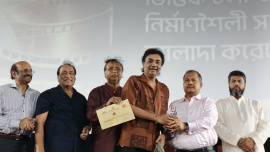
58 film personalities honoured at ‘Hridoye Dhaka 416’

Runa Khan begins shooting for haor-based film ‘Jolpobon’
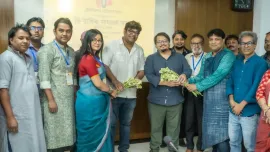
Television Playwrights’ Association announces new executive committee