


The great career renaissance on OTT

During a coffee-conversation last evening, my work-friends and I were discussing a recently released web series. The discussion meandered from plot twists to performances, before settling on a long lingering sonder -- 90s’ Bollywood crush Sonali Bendre was back on the screen.
Not that she had entirely disappeared. Public figures rarely do.

But there is a difference between existing in public memory and occupying public attention.
For years, she belonged largely to the former category, remembered fondly as one of Bollywood’s most recognisable faces from an earlier era. Now, through a streaming series, she once again finds herself at the centre of conversations.
Web series and streaming platforms have not merely changed how audiences consume entertainment. It has rewritten the very economics of relevance.
Once considered an alternative to movies and TV, it has become the primary event itself.
Convenience has played its part. The ability to watch what one wants, when one wants, and where one wants has fundamentally altered viewing habits.
Yet convenience alone does not explain the phenomenon. Quantity matters; so does quality.
Streaming platforms have constructed an ecosystem so vast, varied and incessantly replenished that they now command a cultural centrality once enjoyed almost exclusively by the cinema halls.
And in doing so, they have become the entertainment industry’s grand second-chance machine.
For every viewer discovering a new show, there is often an actor rediscovering relevance. For every trending series, there is a performer reclaiming space that mainstream cinema had quietly withdrawn.
Irony of the streaming revolution is that it has rewarded precisely those qualities that traditional commercial cinema frequently neglected -- the ability to inhabit a role rather than merely occupy a frame.
For years, mainstream movies, whether in Bollywood or Hollywood, was obsessed with scale. The industry sought larger-than-life heroes, recognisable formulas and dependable crowd-pullers.
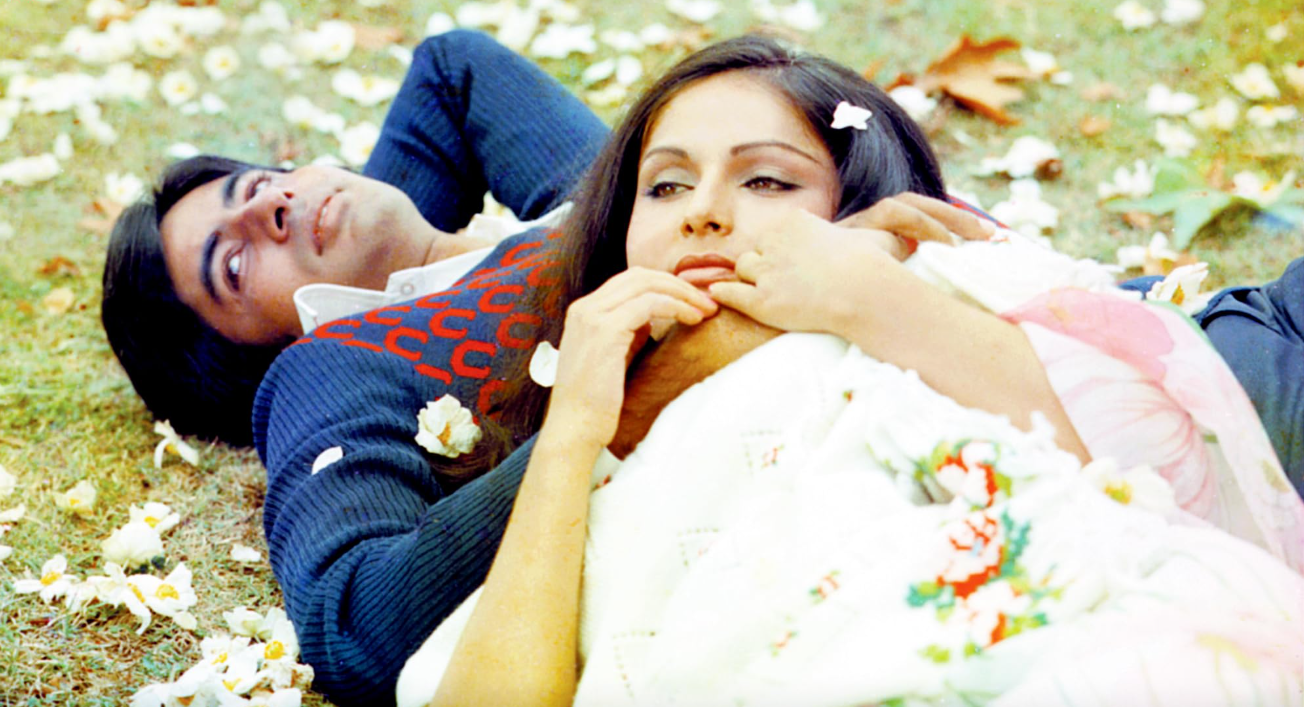
Actors became secondary to spectacle, while scripts were often tailored around stars; streaming reversed that dynamic.
Suddenly, audiences were spending eight hours with a character instead of two. The slow burn became more valuable than the dramatic entrance.
Performance, not persona, moved to the centre of the stage.
Once upon a time actors such as Manoj Bajpayee, Pankaj Tripathi, Jaideep Ahlawat, Shefali Shah, Rasika Dugal, and Neena Gupta occupied an ambiguous space within the mainstream industry. They were respected, admired and frequently praised by critics, yet rarely positioned as the commercial nucleus of major productions.
Fortunately, streaming changed that.
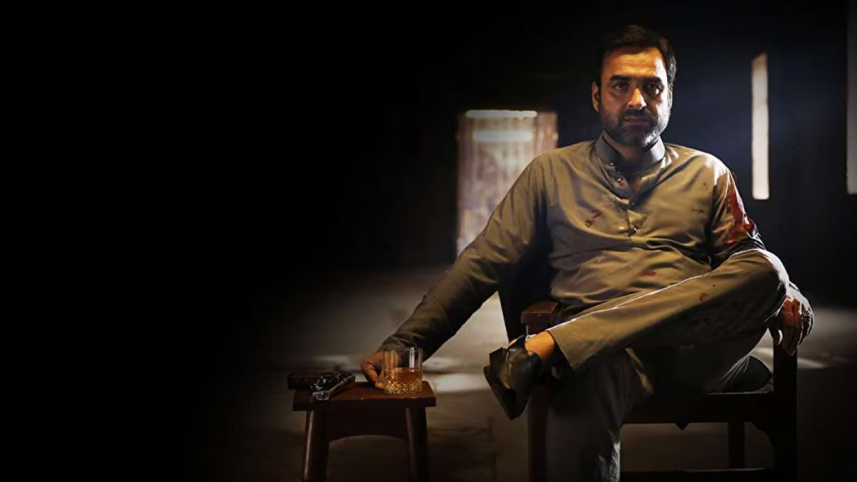
“The Family Man” transformed Manoj Bajpayee from a celebrated character actor into the gravitational centre of one of the most successful franchises.
 For all latest news, follow The Daily Star's Google News channel.
 Jaideep Ahlawat’s towering performance in “Paatal Lok” achieved what years of supporting roles could not.
Pankaj Tripathi, long considered an actor’s actor, became a household name not because he suddenly became more talented, but because audiences were finally given sufficient time to appreciate the talent he always possessed through shows like “Mirzapur” and “Sacred Games”.
The phenomenon extends beyond those who were merely underappreciated.
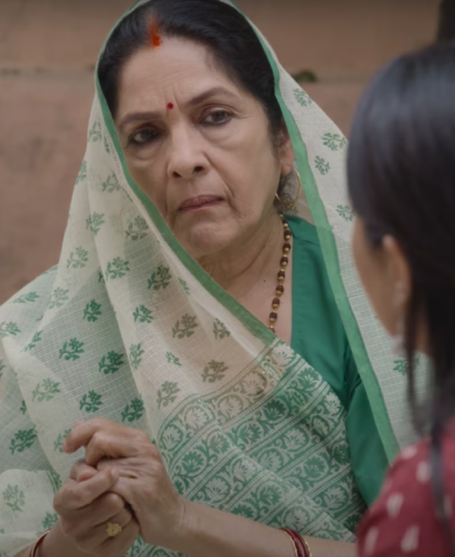
Neena Gupta’s resurgence has become almost emblematic of the OTT era itself. An actor whose immense abilities were often overlooked by an industry fixated on youth and conventional stardom found herself at the heart of a new creative ecosystem. Streaming did not discover her talent. It simply removed the barriers that had prevented it from being fully seen.
Matthew McConaughey’s celebrated “McConaissance” began before streaming’s complete domination, but the OTT age accelerated similar reinventions. Actors such as Pedro Pascal spent years hovering around the periphery before becoming indispensable fixtures of premium television. Others, including Jeff Daniels, Laura Linney, Steve Carell and Michael Keaton, found long-form storytelling uniquely suited to their abilities.
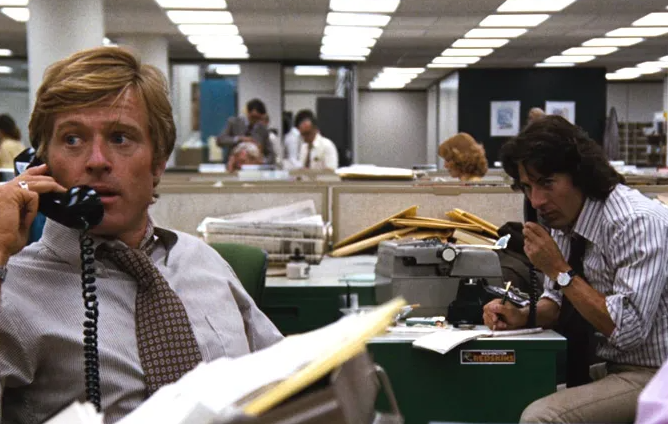
Television once carried a stigma; film actors viewed it as a demotion. Today, some of the most prestigious performances emerge not from cinema but from streaming platforms and limited series.
A commercial film succeeds or fails within a narrow commercial window. Actors become associated with opening-weekend numbers, often irrespective of the quality of their performances.
Streaming platforms operate according to a different logic.
Their objective is not merely to sell tickets for three days. They need subscribers to remain engaged month after month. That requires an enormous variety of content, audiences and stories. The ecosystem is therefore naturally more accommodating of performers who may not command a blockbuster opening but can sustain audience interest across multiple episodes.
In effect, streaming has democratised opportunity. An actor no longer needs to be universally adored. They simply need to be compelling.
This shift has also exposed one of the entertainment industry’s oldest misconceptions -- that popularity and talent are synonymous.
Many performers who struggled within mainstream movies were never deficient in skills. They were merely mismatched with the industry’s prevailing priorities.
OTT platforms broadened the definition of what success looks like.
But there is another dimension to this transformation, one that receives less attention -- age.
Commercial cinema has historically been uncomfortable with ageing, particularly when women are concerned. Actresses often discovered that opportunities diminished long before their abilities did. Streaming has challenged that convention. Characters now arrive with wrinkles, regrets, histories and contradictions. In other words, they arrive as human beings.
That has created space for performers whose life experiences enhance their craft rather than diminish their marketability.
Yet, perhaps the most profound contribution of streaming is its restoration of patience. The box office demands instant judgement. Streaming allows gradual discovery.
A viewer might stumble upon a series months after release -- performance can gather momentum through recommendation, discussion and cultural osmosis.
The 20th century worshipped stars because access was limited. The 21st century increasingly celebrates performers because access is abundant.
In an era where audiences can watch almost anything at any time, charisma alone is no longer sufficient. Attention must be earned and continually re-earned. The old hierarchy privileged visibility. The new one rewards engagement.
Of course, OTT platforms are not a utopia. They have their own excesses, algorithms and commercial pressures. The streaming boom itself has begun showing signs of consolidation and caution. Yet even amid those shifts, one truth remains evident.
The digital shift created space for talent that might otherwise have gone to waste. In building a new medium for the future, the industry unexpectedly gave many artists a second chance at the careers they had lost.
It is part revolution, part renaissance, and deeply rooted in remembrance.