


Disability-Inclusive Budget 2026–27: Addressing Inflation and Economic Challenges
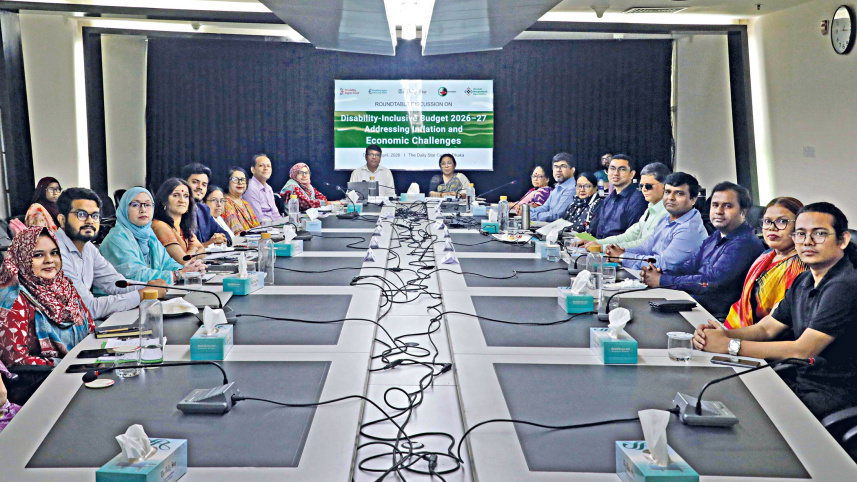
A roundtable titled “Disability-Inclusive Budget 2026–27: Addressing Inflation and Economic Challenges ” was held on April 21, 2026, at The Daily Star Centre in Dhaka. The event was jointly organised by Access Bangladesh Foundation, Women with Disability Development Foundation, and The Daily Star. This roundtable brought together policymakers, experts, persons with disabilities, and key stakeholders to discuss disproportionate barriers faced by persons with disabilities, including limited access to essential services and increased living costs, amid rising inflation, and to highlight inclusive budget priorities for the upcoming national budget that would address the needs and rights of persons with disabilities properly.
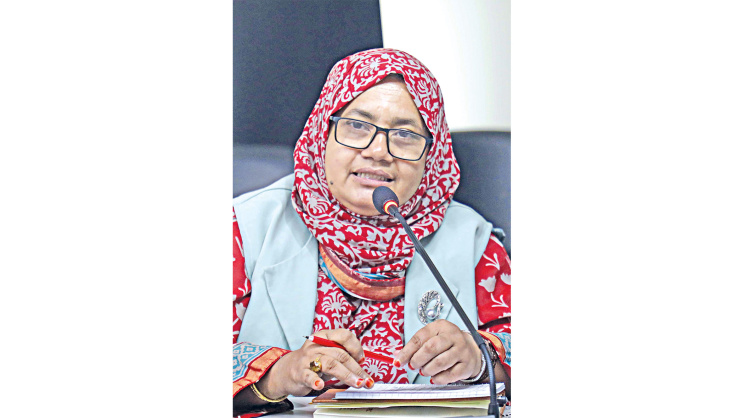
Ashrafun Nahar Misti
Executive Director, Women with Disabilities Development Foundation (WDDF)

Disagreements remain over the actual number of persons with disabilities in Bangladesh, making it difficult to understand their living conditions fully. However, it is evident that many face barriers in education, healthcare, employment, transport, and justice, largely due to gaps in inclusive budgeting. While existing support often focuses on allowances and loans, there is a need to move toward ministry-based inclusive budgets that ensure equal rights and opportunities. In particular, women with disabilities experience layered challenges shaped by social attitudes and limited access to services. For example, only 0.13% participate in vocational training, and just around 1 percent of girls with disabilities attend primary school, with participation declining further at higher levels. At the same time, persons with disabilities face about 13% higher living costs, with women often bearing even greater expenses. Therefore, increasing accessibility, ensuring targeted allocations across ministries, and expanding support within local government budgets are essential for meaningful inclusion.
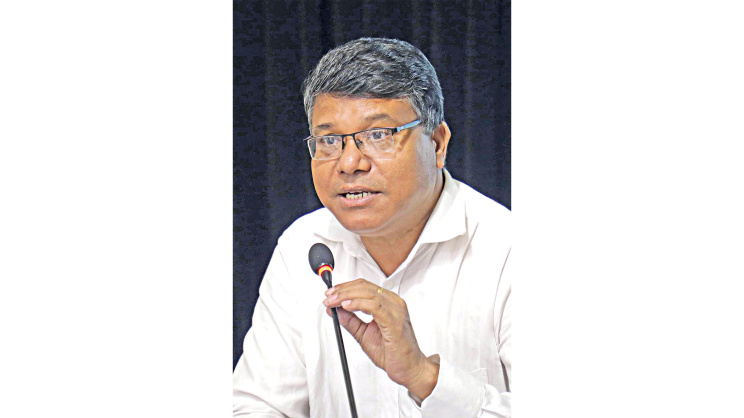
Albert Mollah,
Co-Founder & Executive Director, Access Bangladesh Foundation
Bangladesh currently runs 95 social security programmes, with only seven focused on persons with disabilities, and just two provide direct individual benefits. Although 35.31 lakh people receive support, including 1 lakh students, the overall allocation remains limited, only 0.52% of the national budget. The monthly allowances remain at Tk 900, significantly lower than the support in the neighbouring countries. At the same time, major gaps exist in disability data, which affects effective planning and resource allocation. Evidence also shows that households with persons with disabilities face 13% higher costs, increasing poverty from 23% to 34%. Despite progress through the National Social Security Strategy, which promotes a rights-based and life-cycle approach, challenges persist due to centralised budgeting, limited participation, and a lack of need-based support. The upcoming budget should prioritise accurate data, increase allocations, decentralise planning across ministries, and introduce innovative, needs-based support to ensure inclusive and equitable social protection.
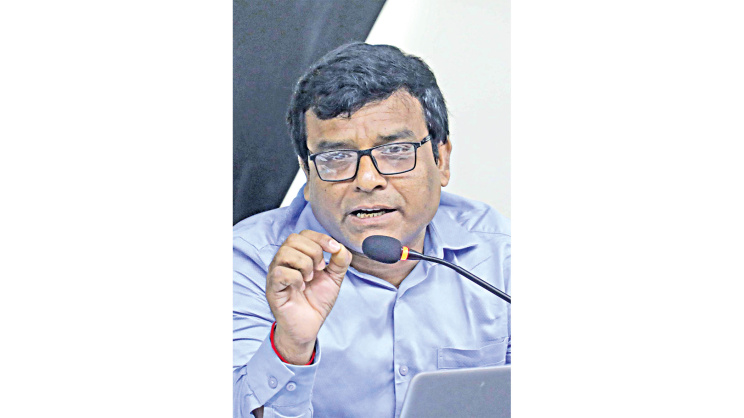
Litan Baruri
Movement Liaison, Action on Disability and Development (ADD)
Bangladesh has strong laws on inclusive education, yet implementation remains limited. Although compulsory primary education requires every child to be included, many children with disabilities are still left behind, especially at the primary level, where dropouts begin. While initiatives like PEDP introduced accessibility measures, such as ramps, poor maintenance, and weak coordination between departments have reduced their effectiveness. Additionally, inaccessible wash facilities and inadequate support in higher education, such as assistive technology for visually impaired students, continue to create barriers. However, affordable solutions exist, including providing assistive devices across universities with modest budget allocations. Therefore, a phased and planned approach is needed, starting with accessibility, reducing dropout rates, and expanding support systems. Furthermore, curriculum reform based on universal design and updated teaching methods is essential to ensure truly inclusive education.
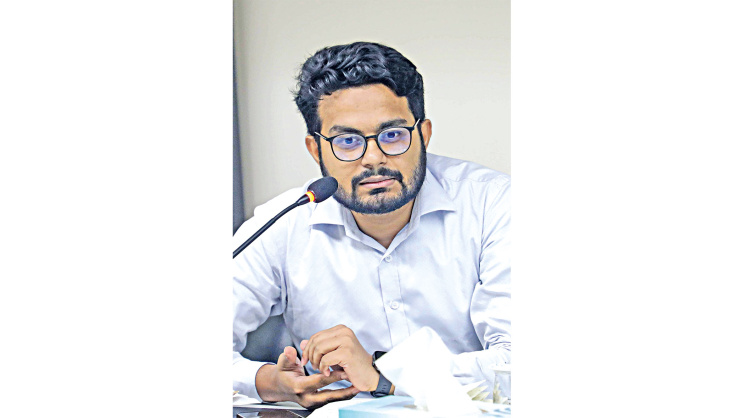
Md. Shohel Rana,
Head of Program, Access Bangladesh Foundation
Participation of persons with disabilities in vocational training remains extremely low, despite the presence of over 100 government technical training centres and around 50 polytechnic institutes. This is largely linked to education gaps, as 55% have no formal schooling and 81% do not meet entry-level requirements, with participation among women with disabilities as low as 0.13%. In addition, barriers such as inaccessible infrastructure, lack of ramps and wash facilities, inaccessible information, absence of sign language interpreters, and limited inclusive teaching pedagogy further restrict access. Although policies and targets exist, including a 5% quota and plans to increase enrolment, progress depends on practical measures. Budget priorities should include accessibility audits, infrastructure upgrades, inclusive curriculum design, relaxed entry requirements, provision for assistive technologies, financial and need-based appropriate adjustment support to ensure meaningful participation in skills development.
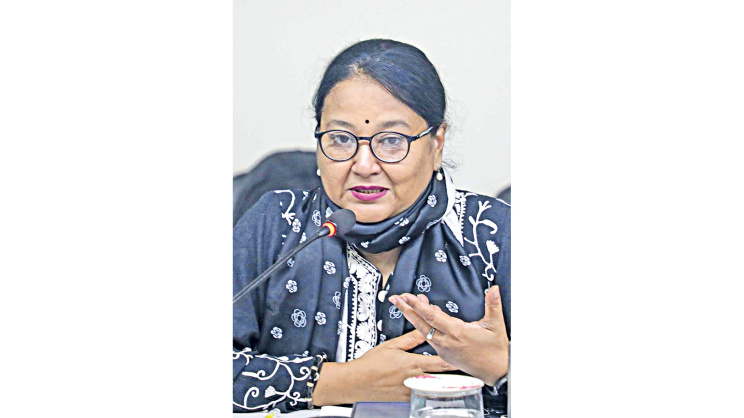
Anika Rahman Lipy
Assistant Director, Centre for Disability in Development (CDD)
Employment for persons with disabilities depends on both employer readiness and employee preparation. However, without clear incentives or state support, employers often lack motivation to hire. At the same time, job retention remains a major challenge due to short-term contracts and the absence of job security, where persons with disabilities are more vulnerable to discrimination during layoffs. Therefore, non-discrimination policies and proper monitoring mechanisms within organisations are essential. Also, a broader approach is needed beyond allowances, including skill development and workplace accessibility. To address this, government support should encourage private sector engagement through incentives and structured collaboration, especially with Chambers of Commerce under a public-private partnership framework. Furthermore, national guidelines and budget allocation are necessary to create inclusive and accessible workplaces, ensuring both recruitment and long-term retention of persons with disabilities.
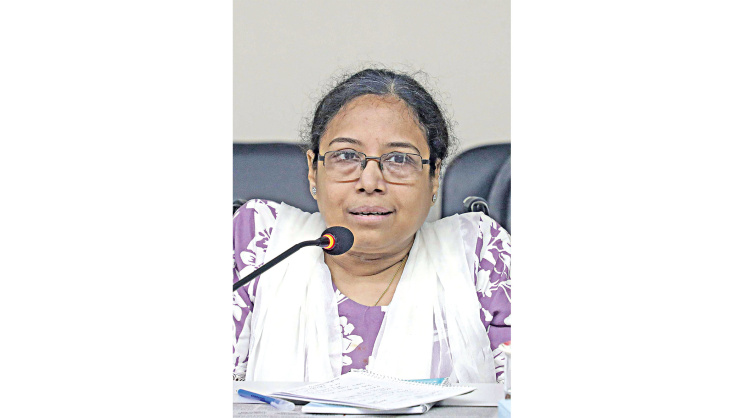
Salma Mahbub
Executive Director & General Secretary, Bangladesh Society for the Change and Advocacy Nexus (B-SCAN)
A shift from a charity-based mindset to a rights-based approach is necessary to ensure meaningful budget allocation and inclusion. Despite existing building codes and policies, implementation gaps persist, resulting in inaccessible schools, transport, and housing. So, proper enforcement of accessibility standards and greater public awareness are critical. Budget consultations with persons with disabilities should be reinstated and strengthened. Duty waivers on assistive devices, accessible buses, and lifts, along with tax benefits for housing. Furthermore, comprehensive planning and budget allocation are needed to ensure accessibility, independence, and full civic participation for persons with disabilities.
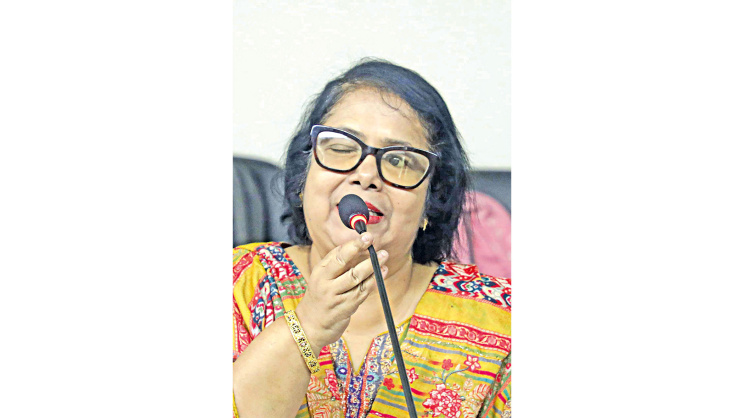
Nasrin Jahan
Executive Director, Disabled Child Foundation
The seven social safety programmes that are related to persons with disabilities mainly operate through disability allowances and education stipends. However, concerns remain that education stipends are often unutilised, as many students with disabilities are not effectively reaching or remaining in the education system. This indicates deeper barriers that need further examination. Currently, about 39 lakh persons with disabilities are identified under the government’s allowance system, where a uniform Tk 900 monthly payment is provided regardless of severity. However, this amount is not aligned with inflation and does not reflect different levels of need. At the same time, with an estimated 10 to 15% of the population living with disabilities, continued reliance on a charity-based approach is insufficient. To address these, reforms are needed to introduce need-based, multi-layered support, ensure inflation-adjusted benefits, and allow combined safety net access. Additionally, a dedicated institutional structure is essential for continuous policy focus, coordination, and year-round implementation.
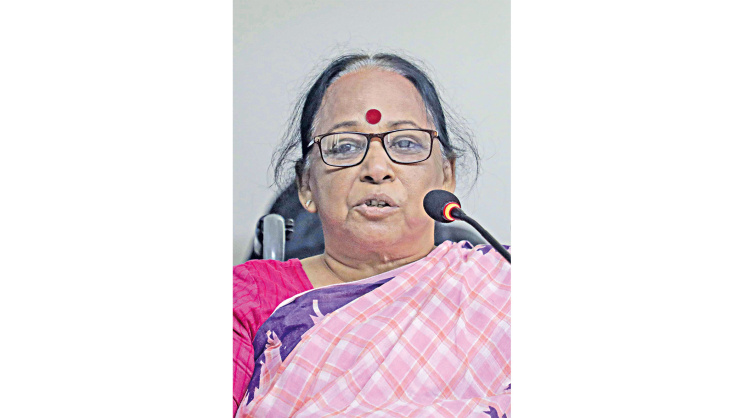
Mohua Paul
Co-Founder & Chairperson, Access Bangladesh Foundation
Health services for persons with disabilities remain inadequate in general hospitals, largely due to limited capacity and lack of specialised support. Since disabilities are diverse, a one-size-fits-all approach is not effective; instead, rehabilitation requires a multidisciplinary team involving doctors, physiotherapists, occupational and speech therapists, counsellors, and peer support. Such coordinated care can significantly improve independence, education, and employment outcomes. Mental health support is also critical, as many individuals lack access to basic treatment due to poverty, cost, and low awareness, despite needing simple medication and community care. In addition, many service centres face accessibility gaps, limited therapy services, and weak infrastructure. Hence, priorities should include expanding multidisciplinary teams, improving accessibility, increasing staffing and funding, introducing health insurance, and ensuring stronger participation and monitoring by disability organisations for better service delivery.
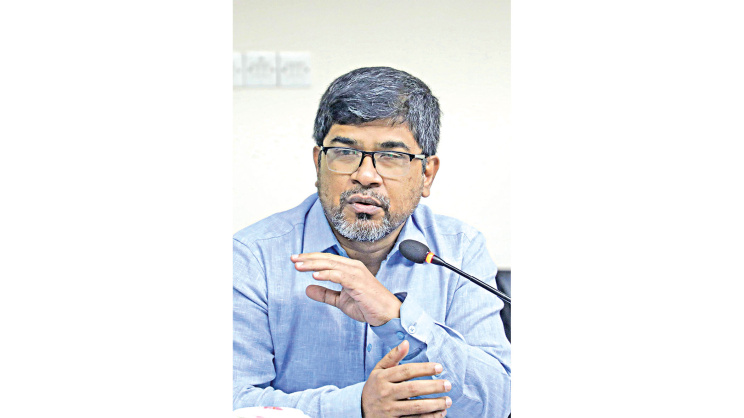
Dewan Mahfuz E Maula
Advocacy and Communication Manager, CBM Global, Bangladesh
Disability-related expenses are not only financial but also directly linked to inclusion, mobility, and participation. At present, families with persons with disabilities face an additional 13% cost due to disability, including expenses for assistive devices, services, maintenance, and accessible transportation. However, current tax policies largely follow a uniform approach, which may overlook the principle of equity and equal participation. While some measures exist, such as an increased personal income tax threshold of Tk 4.75 lakh, a rebate of over Tk 50,000 for families with children with disabilities, and a 5% tax benefit for inclusive employment, these remain limited in scope. In addition, the absence of clear VAT exemptions on assistive devices keeps them costly and less accessible. Greater attention is needed to reduce VAT and taxes on assistive devices and the raw materials required for their local production. Clear guidelines on priority assistive products, possibly aligned with the WHO’s list of 50 items, would also be beneficial. Furthermore, coordinated policy action, improved rural access, and the creation of dedicated support mechanisms can ensure that accessibility and participation are strengthened for all, without added financial burden.
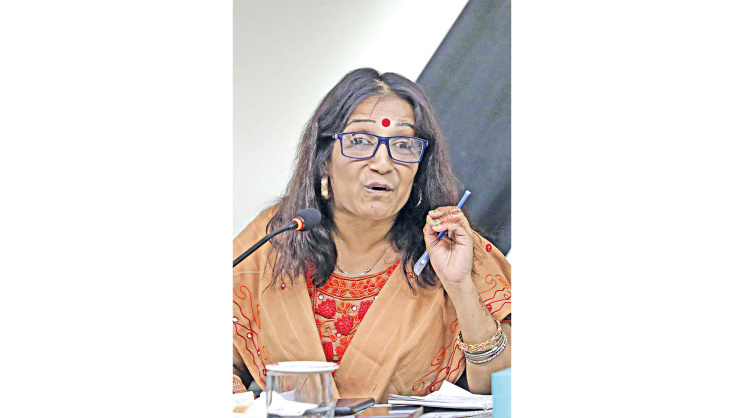
Anamika Panday
Facilitator, Community Development Association (CDA)
 For all latest news, follow The Daily Star's Google News channel.
 Entrepreneurship development, grants, low-interest loans, and incubation support are essential for economic growth, job creation, and social inclusion, especially for persons with disabilities and women. However, several barriers limit access. Complex procedures, excessive paperwork, and strict collateral requirements make financial support difficult to obtain. Simultaneously, lack of information and limited outreach prevent many from accessing available opportunities, particularly in rural areas. Incubation support, covering guidance from business planning to market access and sustainability, remains insufficient at the grassroots level. Therefore, simplifying and digitising application processes, ensuring collateral-free or easy-term loans, and establishing help desks at district and upazila levels can improve access. Expanding incubation centres, along with quota-based grants, training, and market linkages, can strengthen participation and contribute to building a more inclusive economy.
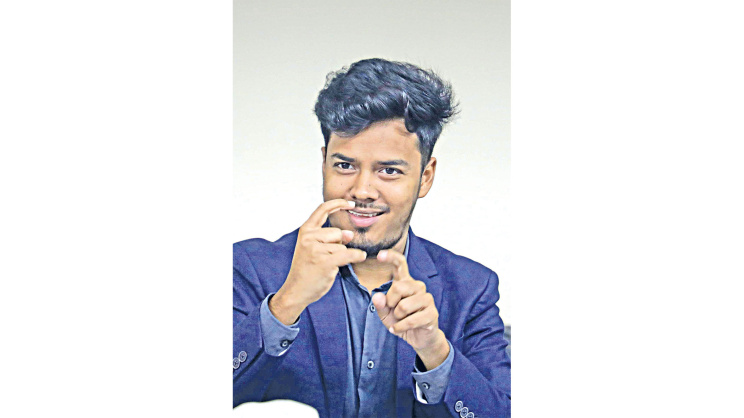
Md. Abdullah
Society of the Deaf and Sign Language Users (SDSL)
Accessibility remains a key barrier for persons with hearing impairments in the IT sector, largely due to the high cost of assistive devices and the limited availability of inclusive digital platforms. For example, the absence of sign language integration in online services creates challenges in accessing information. Also, advanced tools such as text-to-sign or sign-to-text applications are still unavailable locally. High VAT and taxes on imported devices, including hearing aids and quality batteries, further restrict access. Although policies and commitments exist, practical implementation remains limited. As a solution, making assistive devices tax-free or subsidised, and ensuring budget allocation for accessible digital information, can significantly improve inclusion, and stronger, coordinated support across sectors can help build a more inclusive and accessible system.
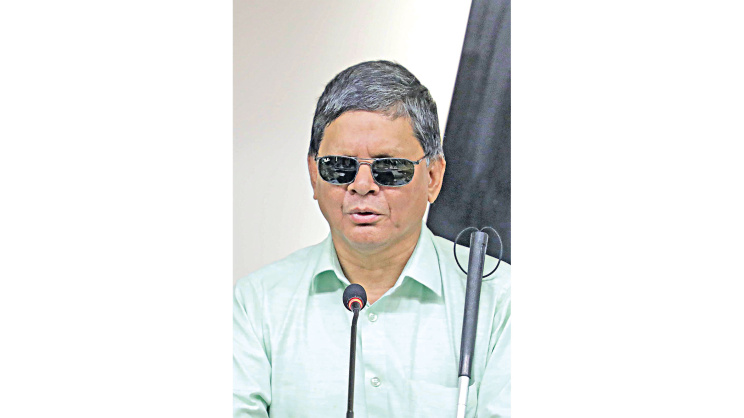
Md. Saidul Huq
Executive Director, Blind Education and Rehabilitation Development Organization (BERDO)
The central demand is full inclusion of persons with disabilities in all sectors, including education, employment, politics, and the economy, as this is essential for overall development. However, disability issues are often overlooked in planning processes, limiting progress. Media can help highlight these realities and accelerate change. The education system for persons with disabilities remains weak, with shortages of teachers, poor infrastructure, and limited oversight. Although the Rights and Protection of Persons with Disabilities Act exists, adequate budget allocation for its implementation is necessary. With growing awareness and readiness, coordinated efforts across sectors can increase inclusion and ensure meaningful progress.
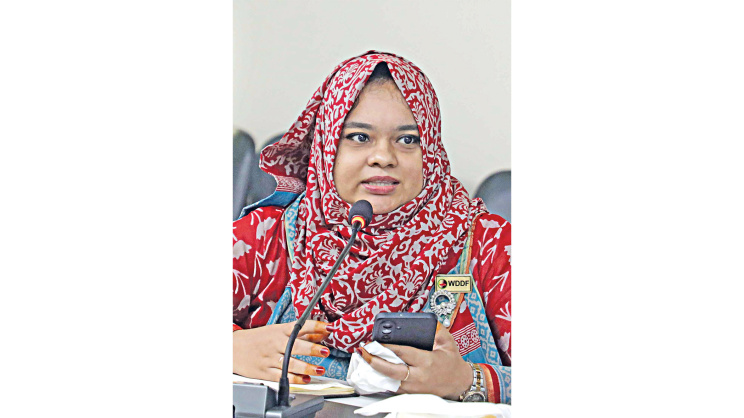
Sharmin Akther Dolon
Prograam Associate, Women with Disabilities Development Foundation (WDDF)
According to the Bangladesh Bureau of Statistics data, more than half of the persons with disabilities are women. However, their employment remains extremely low, possibly below 1%. Linking these women to both jobs and entrepreneurship is essential for economic inclusion. To address this, several practical steps can be considered. Low-interest or interest-free loans and startup grants can support business creation, while training in business management, accounting, and online marketing can build capacity. At the same time, tax exemptions for a certain period and improved market access, including dedicated stalls or fairs, can encourage growth. Furthermore, accessible technology, help desks, and awareness campaigns can strengthen participation. Giving priority in government procurement can also create sustainable opportunities and enhance their contribution to the economy.
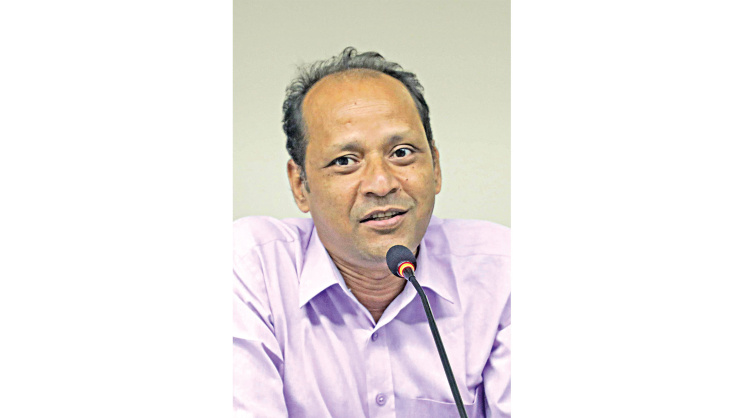
Dr. Mohammed Moniruzzaman Khan
Director, Institute of Disaster Management and Vulnerability Studies, University of Dhaka
Empowerment comes from personal resources, involvement in decision-making, and economic participation. Although policies and laws show inclusion, gaps remain in effective implementation. Moreover, social and cultural mindsets continue to limit women’s full participation, especially when ownership of land and access to finance are restricted. As a result, empowerment remains uneven despite existing frameworks. A truly inclusive People’s Budget must ensure access and entitlement for all, including women, persons with disabilities, and other marginalised groups. With economic inclusion comes decision-making power. Education is also important; however, without financial access and market participation, capability cannot fully develop. Therefore, prioritising entitlement can drive meaningful and sustainable inclusion.
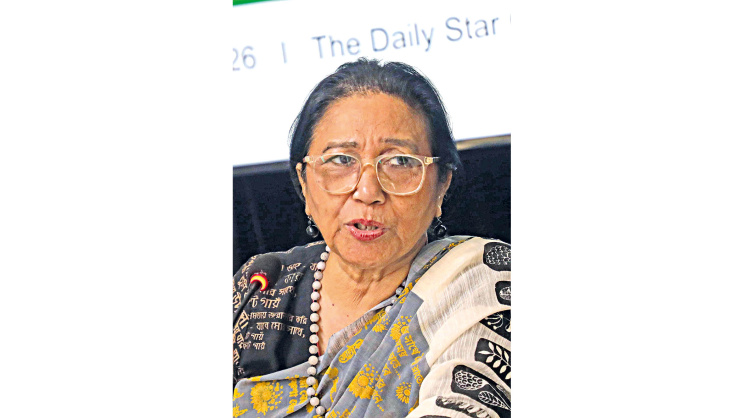
Shaheen Anam
Executive Director, Manusher Jonno Foundation
Challenges faced by persons with disabilities are structural, institutional, and social, and so require a shift in mindset to truly accept diversity. While laws and policies exist, effective implementation depends on changing attitudes within families, society, and state institutions. Moreover, the lack of accurate national data continues to hinder proper planning and allocation. Capacity gaps also persist, as many individuals are unaware of their entitlements or lack the skills to access them. However, progress is visible through grassroots efforts, including the formation of hundreds of disabled people’s organisations and ongoing advocacy. Therefore, clearer and more specific budget recommendations are essential. Increased allocation, improved accessibility, and inclusive infrastructure can ensure dignity, independence, and meaningful participation, while continued advocacy can gradually drive positive change.
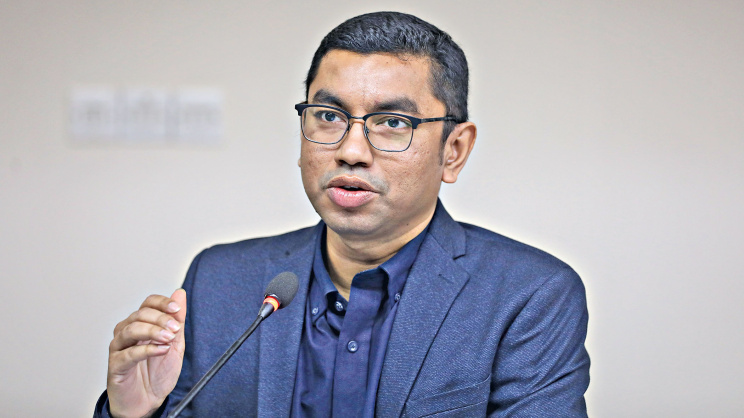
Tanjim Ferdous
Head of Strategic Partnerships, The Daily Star (Moderator of the Session)
Notable progress has been achieved in Bangladesh through legal and policy frameworks aimed at protecting the rights of persons with disabilities. However, the main challenge lies in translating these commitments into effective implementation with real impact. Amid rising inflation and living costs, persons with disabilities face greater hardship due to employment barriers, limited services, and higher out-of-pocket expenses. This roundtable aimed to reflect on the current challenges as well as contribute to practical proposals for the upcoming national budget to ensure equity, accessibility, and dignity.
Recommendations
- Introduce caregiver allowances and increase budgets for persons with disabilities using needs-based, inflation-adjusted frameworks.
- Shift from allowance-based support to comprehensive social protection systems.
- Decentralise planning to enable inclusive local service delivery.
- Strengthen inclusive education through accessible infrastructure, trained teachers, and assistive technology.
- Expand vocational training and employment with accessible systems and employer incentives.
- Adopt ministry-wise inclusive budgeting with clear targets and accountability.
- Fund and involve organisations of persons with disabilities in budgeting processes.
- Ensure and enforce funding for accessibility across infrastructure and services.
- Develop lifecycle-based, multi-layered support systems.
- Reduce taxes on assistive devices and provide incentives for inclusive employers.
Comments