


Veteran Indian-Bengali actor Kalyan Chatterjee passes away

Kalyan Chatterjee, the veteran Bengali actor whose face became synonymous with the everyday man on screen, died late Sunday night (December 7) in Kolkata. He was 81.
The West Bengal Motion Picture Artists Forum confirmed that Chatterjee had been receiving treatment at MR Bangur Super Speciality Hospital, where he "breathed his last" after battling typhoid and complications tied to age. Family members told PTI the actor had been bedridden for a long period, a decline that kept him away from film sets in his final years.

His body was taken straight from the hospital to the Keoratala crematorium, where the last rites were performed.
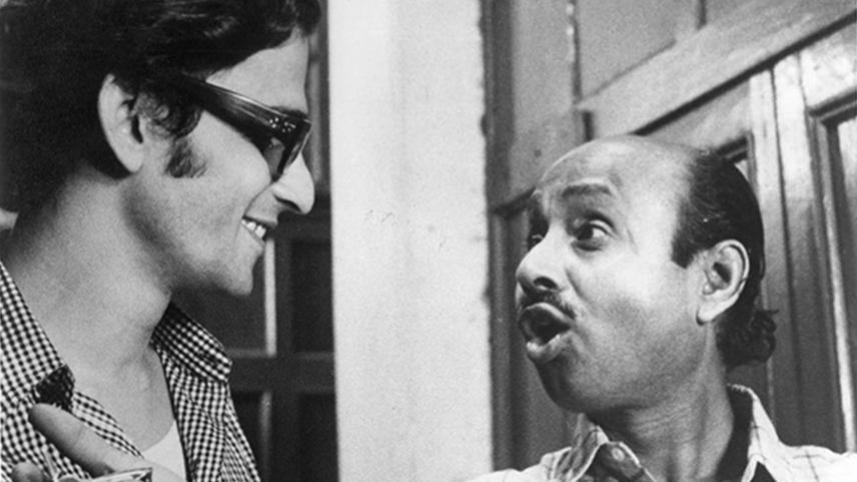
Born in 1942 in Berhampore, Murshidabad, Chatterjee grew up with an instinctive pull toward the stage. That passion led him to the Film and Television Institute of India in Pune, where he trained formally before making his big-screen debut in Tapan Sinha's 1968 film Apanjan. It was a striking start, placing him in the orbit of one of India's most respected filmmakers and foreshadowing a career defined by versatility rather than stardom.
Across more than five decades, Chatterjee appeared in over 400 films—an astonishing body of work that spanned genres, eras, and industries. He carved out a place in Bengali popular culture with memorable turns in "Dhonyi Meye", "Sagina Mahato", "Dui Prithibi", "Sabuj Dwiper Raja", "Baishe Srabon", and the National Award–winning "Safed Haathi". His work in Satyajit Ray's "Pratidwandi" remains one of the most critically noted roles of his career, a reminder of how easily he fit into the idiom of parallel cinema.
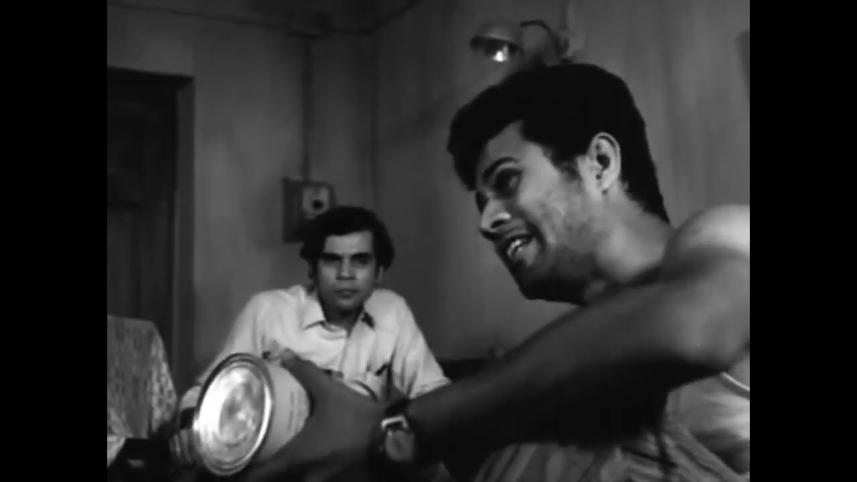
Chatterjee's legacy rests not on marquee glamour but on a steady, lived-in presence—an actor who could shift from humour to pathos without a visible seam. That ability made him a favourite collaborator of directors and co-stars alike, pairing him on-screen with icons such as Uttam Kumar, Soumitra Chatterjee, Ranjit Mallick, and Dipankar De. As commercial Bengali cinema evolved, he adapted with it, staying relevant across generations.
He also made his mark beyond Bengal. In Hindi cinema, he featured in Sujoy Ghosh's thriller "Kahaani", contributing to a film that went on to redefine genre filmmaking in the industry. His range extended to television and, later, OTT platforms, with roles in series such as "Ek Akasher Niche" and "Tansener Tanpura". Even in these smaller, more intimate formats, Chatterjee carried the authority of long experience.
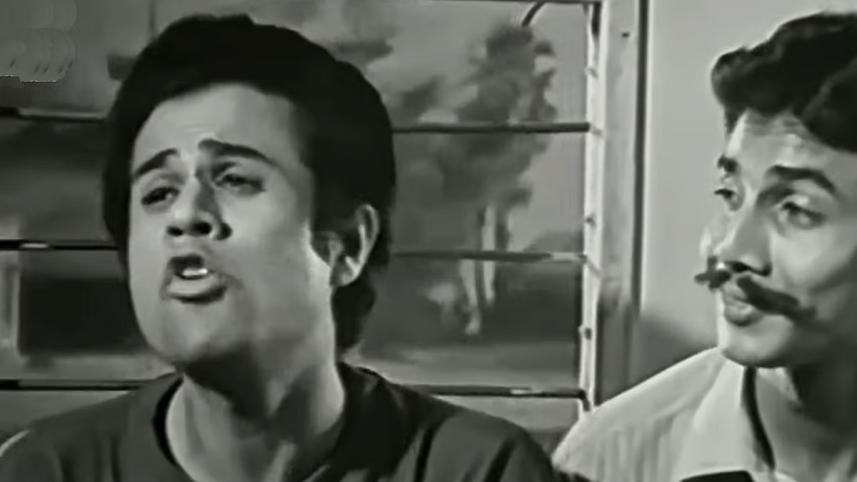
The Artists Forum, mourning one of its own, said: "One of our most valued members, Kalyan Chattopadhyay, has left us. We are deeply shocked. May his soul rest in peace." It was a sentiment echoed across the Bengali film world, where Chatterjee's death marks the end of a generation of character actors who shaped the texture of mainstream cinema from within.
For audiences, his contribution remains firmly etched—a familiar face that enriched stories without demanding the spotlight. For the industry, his passing is a reminder of a craft honed through decades of work, marked by humility, discipline, and a commitment to the art of supporting roles.
 For all latest news, follow The Daily Star's Google News channel.



Comments