


How rewatching became our default way to watch

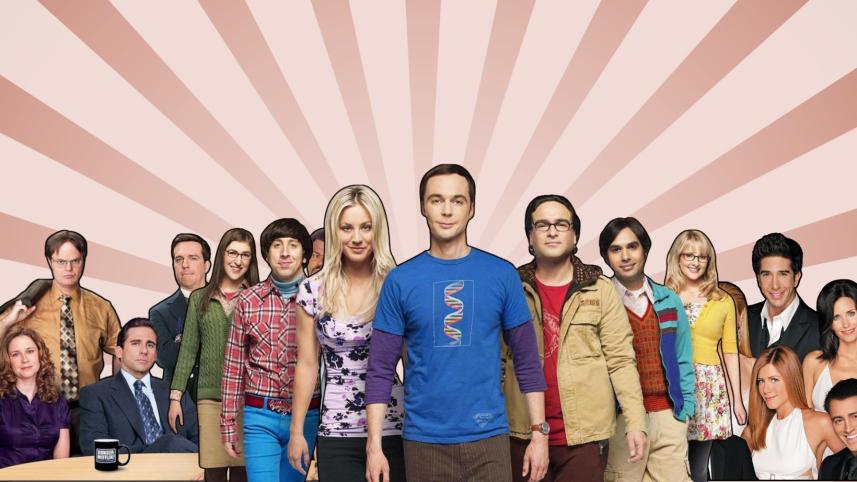
There is more to our streaming habits than taste. If there were not, it would be hard to explain why, in a year flooded with new releases, many of us still end up clicking play on "Friends", "The Office", "Modern Family", or "Brooklyn Nine-Nine" for the fifth, tenth, or twentieth time. We live in an era of unprecedented choice. Streaming platforms release more shows than any single person could realistically watch in a lifetime. And yet, when the day is long, the brain is tired, and the world feels louder than usual, we do not reach for something new, instead we return to something known.


Rewatching has quietly become one of the most dominant forms of entertainment consumption, even though it rarely gets framed that way. It is often dismissed as laziness, nostalgia, or lack of curiosity. But that explanation does not hold up in 2025, when audiences are culturally literate, hyper-aware, and fully capable of finding new content if they want to. Rewatching has now become a rational response to how modern life and modern platforms are structured. At its core, it is all about predictability. New shows demand effort. They ask us to learn characters, absorb world-building, track plotlines, and emotionally invest in outcomes that may or may not be rewarding. Rewatching removes that burden entirely. You already know who these people are. You know which jokes land, which scenes hurt, which episodes you can half-watch while answering emails or scrolling. The brain does not have to work as hard, and that reduction in cognitive load is precisely the point.

This matters because entertainment no longer exists in isolation. Watching television is rarely a single-task activity. We watch while eating, while folding laundry, while switching between apps, while decompressing from work that increasingly spills into personal time. Shows like "Friends" or "The Big Bang Theory" are structurally ideal for this kind of viewing. Episodic formats, familiar rhythms, and predictable emotional beats make them perfect background companions. You do not need to pay full attention to feel satisfied and streaming platforms understand this better than we do. Recommendation algorithms are built to optimise watch time, not artistic discovery. From a systems perspective, rewatching is incredibly efficient. Familiar shows have high completion rates, low abandonment risk, and consistent engagement across time slots. If you start a new series and drop it after two episodes, that is a loss for the platform. If you rewatch six seasons of "Grey's Anatomy" while barely thinking about it, that is a win. This is precisely why familiar titles never really leave the homepage. Even when platforms aggressively market new originals, comfort shows are always nearby, quietly waiting. They are safe bets in a volatile attention economy. And as platforms collect more behavioural data, they become better at knowing exactly when to surface them.

There is also an emotional layer that technology alone cannot explain. Rewatching offers emotional regulation. Knowing how a story unfolds creates a sense of control that is increasingly rare. In uncertain times, predictability feels grounding. This is why people return to "How I Met Your Mother" during breakups, "Gossip Girl" during periods of boredom, or "Bis Bang Theory" when they want something comforting yet meaningful. These shows become emotional anchors. They do not surprise you, and that is exactly why they work. However, what is interesting is that not all shows are equally rewatchable. The ones that endure tend to share certain qualities: ensemble casts, humour-driven storytelling, episodic arcs, and emotional consistency. Sitcoms dominate because they do not punish missed attention. Even drama-heavy shows that become comfort rewatches, like "Suits", follow a formula that resets frequently. You can dip in and out without feeling lost. Prestige television, on the other hand, often demands full immersion. That makes it rewarding, but equally exhausting.
There is also a trust issue at play. Audiences have learned, sometimes the hard way, that emotional investment in a new show is risky. Shows get cancelled abruptly. Storylines derail. Endings disappoint. Rewatching eliminates that risk entirely. You already know the ending, and you have made peace with it. In a strange way, familiarity protects viewers from narrative betrayal. This is where technology and human psychology intersect. Platforms track not just what we watch, but how we watch it. Pause frequency, rewind behaviour, and episode drop-off points, all of it feeds into a larger understanding of user comfort zones. When we return to the same shows, we are reaffirming versions of ourselves. Watching these shows again might reconnect you with who you were when you first saw it. Or they might mirror where you are now. These shows become time capsules, but living ones. Each rewatch is slightly different because you are different.

Importantly, this does not mean discovery is dead. People still explore new content, but they do so selectively. New shows are treated like events, while rewatches are treated like routines. One demands attention; the other offers rest. Streaming platforms thrive because they accommodate both. The danger lies not in rewatching itself, but in mistaking it for cultural decline. It is not that audiences do not want new stories. It is that they do not want to work for comfort. The rise of rewatching also explains why certain older shows continue to dominate streaming charts years after they ended. As streaming platforms evolve, we may see rewatching become even more explicitly supported. Features that highlight most rewatched episodes, personalised comfort playlists of shows, or AI-driven suggestions based on emotional state are not far-fetched. The technology already exists. The behaviour is already there. All that remains is formal acknowledgement.

In that sense, rewatching is not a failure of imagination, but a signal. It tells us something about attention, fatigue, and how entertainment fits into modern life. It tells us that viewers do not always want stimulation. Sometimes they want relief. Sometimes they want to disappear into something they already understand. And maybe that is the most honest relationship we have with entertainment today. Not chasing novelty for the sake of it, but recognising when familiarity is exactly what we need. Because, in a world that constantly asks us to keep up, rewatching is one small way we choose to slow down, episode by episode, laugh track and all.
 For all latest news, follow The Daily Star's Google News channel.
Comments