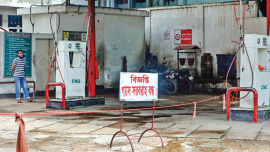
Iran strikes Qatar's Ras Laffan LNG hub: What this means for Bangladesh, India, Pakistan

War, at first glance, appears cartographic – arrows on maps, missiles arcing across distant skies, names of places most will never see.
Yet its true reach is measured not in distances but in disruptions – in repercussions, reactions and recalibrations.

The fallouts of the US-Israel attack on Iran and the subsequent war in the Middle East meandered into the circuitry of everyday life within its first weeks with oil. Now the peril pounces with gas.
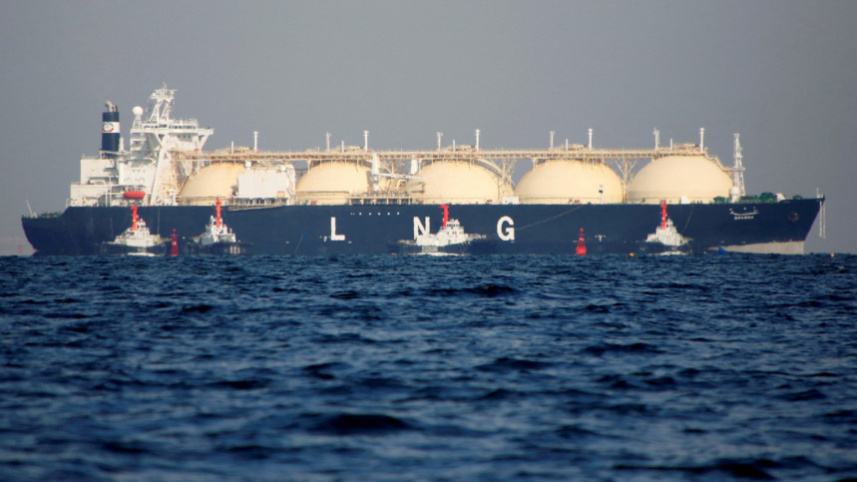
Today, Iranian missile strikes tore into Qatar’s Ras Laffan Industrial City. The damage, described as “extensive” by CNN, has imperilled a supply chain upon which Bangladesh, Pakistan and India precariously depend.
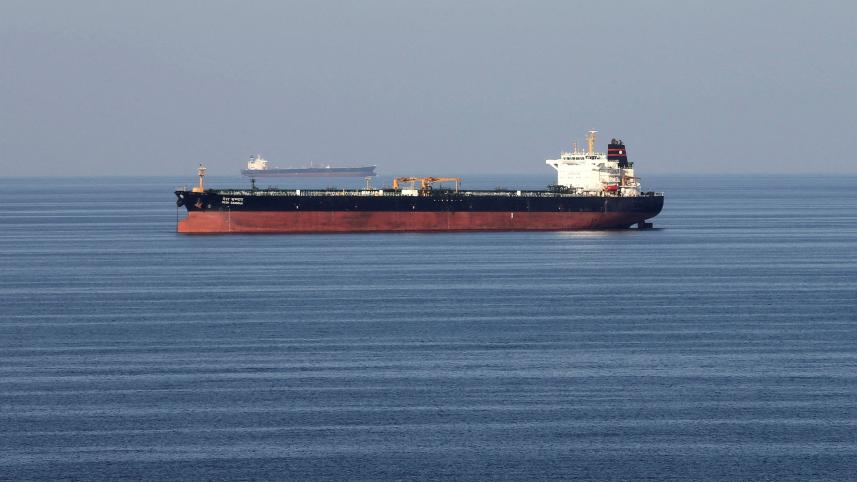
According to the Institute for Energy Economics and Financial Analysis, Qatar and the United Arab Emirates together supply 99 percent of Pakistan's LNG imports, 72 percent of Bangladesh's, and 53 percent of India's. In these countries, LNG consumption is concentrated in power generation and industrial sectors.
South Asia is a central recipient of the volatile supply chain as almost 90 percent of LNG exports from Qatar and the UAE are directed to Asia, according to the International Energy Agency.
The centrality of Ras Laffan amplifies the vulnerability.
With the facility serving as the processing heart of Qatari exports, any sustained disruption effectively translates into a supply contraction across multiple importing economies simultaneously.
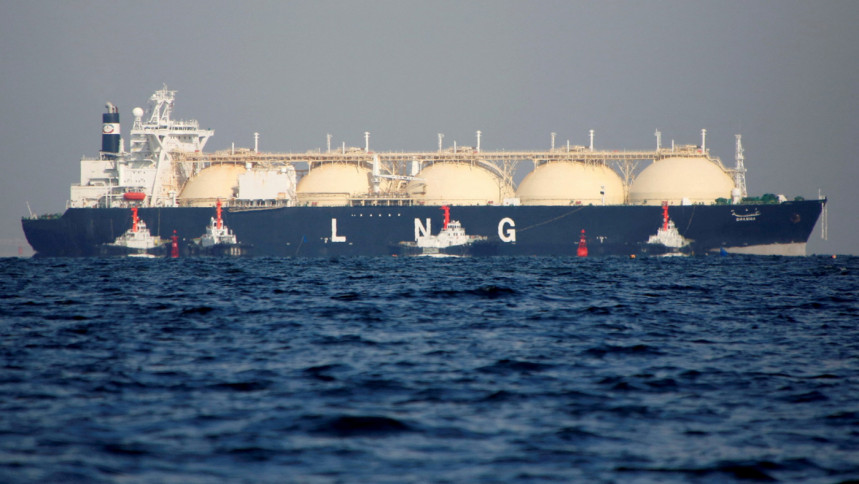
Bangladesh’s economic ascent has been underwritten by energy, and increasingly by imported energy. Domestic gas reserves, once sufficient, have plateaued. LNG imports, introduced in 2018 through floating storage and regasification units, have since become indispensable.
Even before the latest strike, LNG markets were already strained by the wider conflict.
Reports from Reuters and market analysts indicate that gas prices in Asia and Europe had surged by 60 to 70 percent since the escalation of hostilities began, with European benchmarks doubling in some instances.
Now, the additional shock to supply is expected to deepen volatility.
Wood Mackenzie, cited by CNN, warns that disruption could last beyond two months, a timeline that effectively spans critical seasonal demand cycles.
The consequences are cascading into domestic economies.
In India, rationing of gas supplies has already begun, with fertiliser plants receiving reduced allocations, according to the country’s petroleum ministry.
Pakistan has implemented austerity measures including reduced working days and administrative restrictions on energy consumption, while Bangladesh faces curtailment in gas-fired power generation, which accounts for nearly half of its electricity supply, according to the IEA.
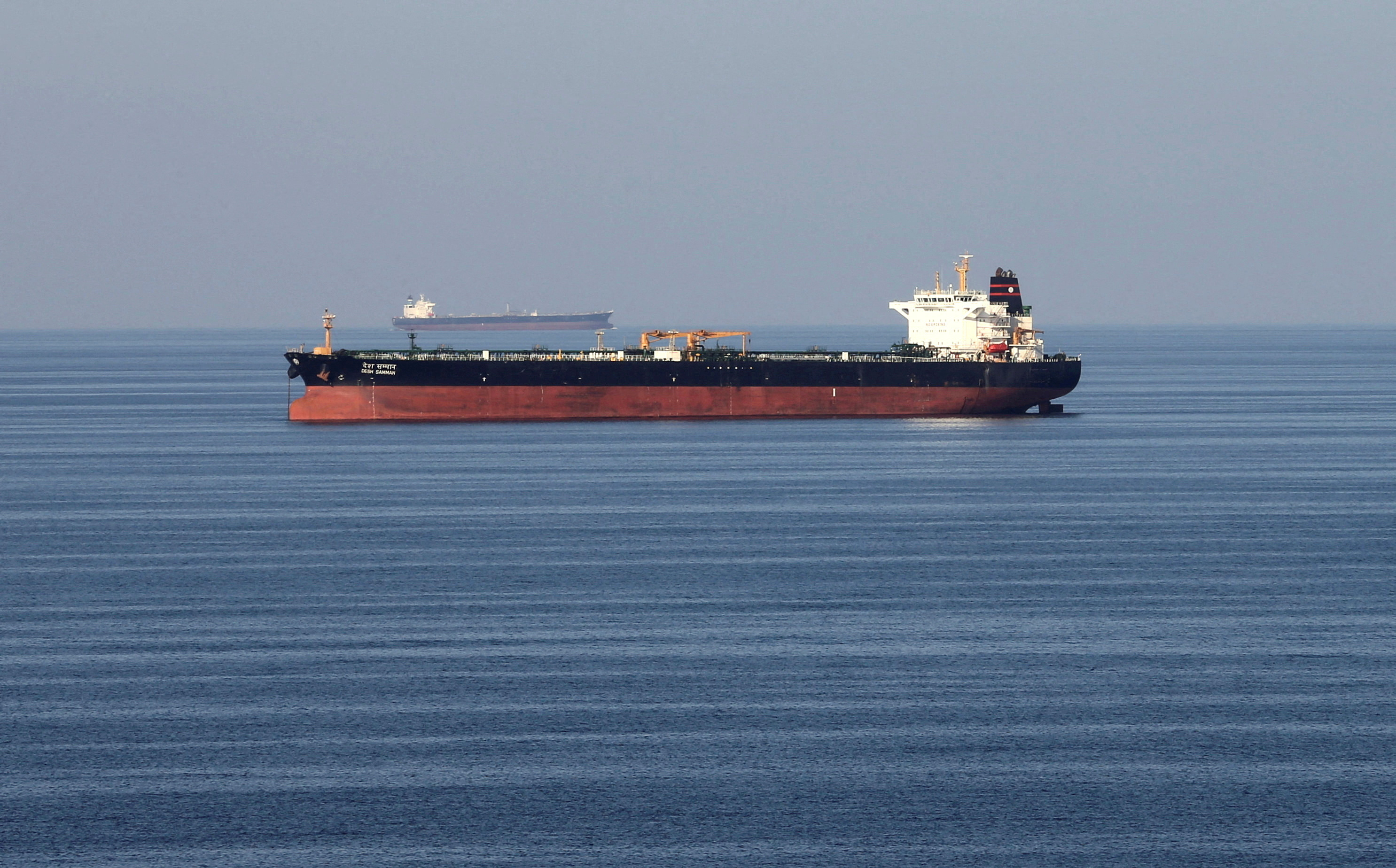
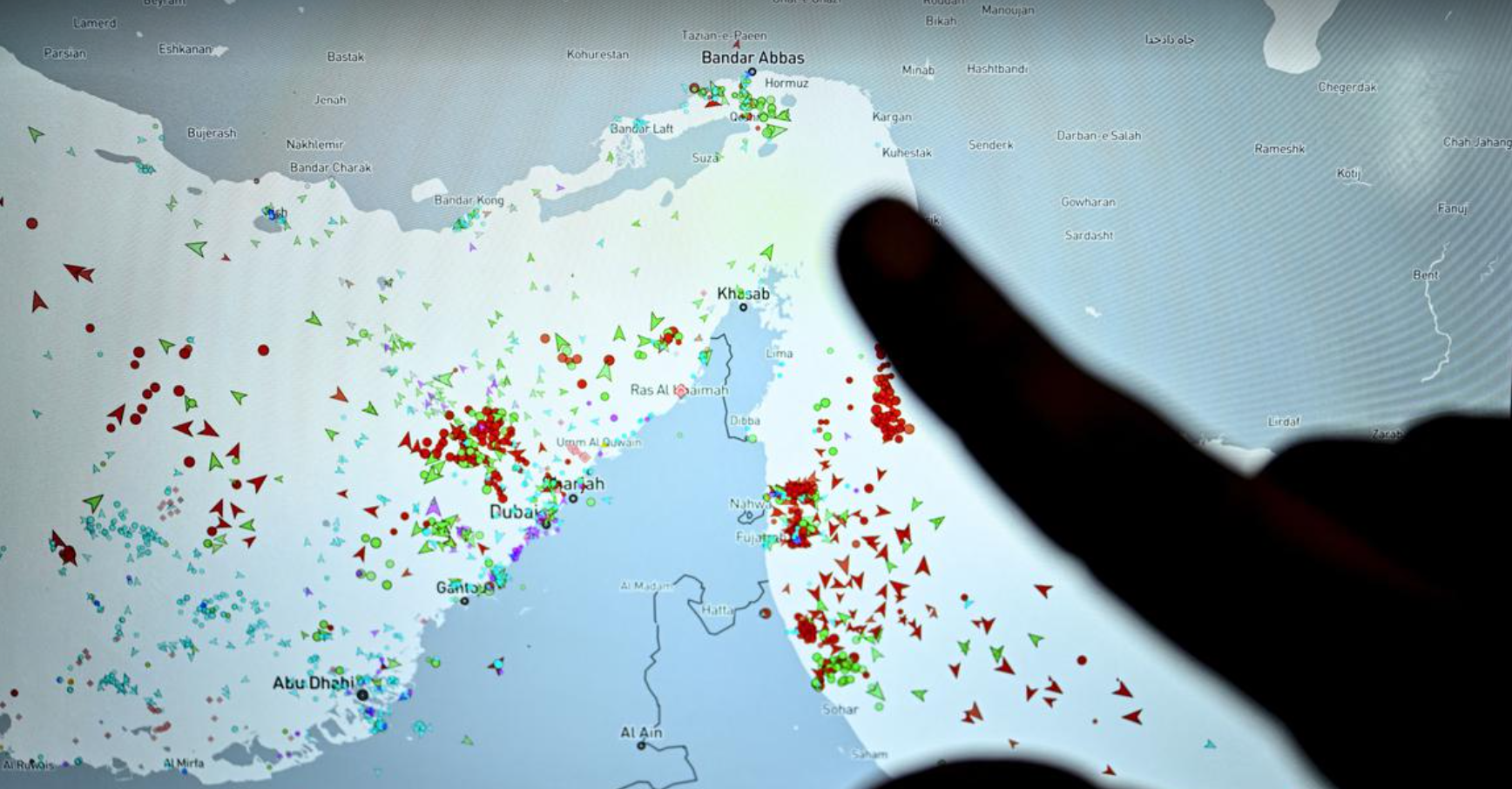
The situation is compounded by the closure of the Strait of Hormuz, a critical maritime artery through which roughly 20 percent of global oil and LNG supplies pass, according to Reuters and the BBC.
Energy shocks propagate quickly into the broader economy.
 For all latest news, follow The Daily Star's Google News channel.
 Spot cargoes have already been procured at more than double, and in some cases nearly triple, earlier prices, according to Reuters.
For Bangladesh, India and Pakistan, the crisis is not merely about price inflation. It is about allocation, prioritisation and endurance.
Bangladesh faces the sharpest structural exposure due to its electricity mix.
Pakistan confronts a fiscal and industrial squeeze layered onto an already fragile macroeconomic base.
India, while more diversified, now faces upstream pressure on fertiliser production and industrial gas allocation.
The result is a regional convergence of constraint, where energy security is no longer a national variable but a shared vulnerability shaped by events thousands of kilometres away.
Timing sharpens the crisis. The disruption arrives on the cusp of peak summer demand, when electricity consumption surges.
A shortfall of even a few LNG cargoes can precipitate widespread outages.
Bangladesh has already turned to the spot market, securing emergency shipments at elevated prices. But as global competition intensifies, access becomes uncertain and affordability strained.
Existing LNG facilities are already operating near capacity. New supply from the United States, Canada and Australia, though expected, will not arrive in time to offset immediate shortfalls.
Anne-Sophie Corbeau of the Center on Global Energy Policy, cited by CNN, underscores a blunt reality -- there is “no immediate answer” to the gas-side shock.
This absence of elasticity is what transforms geopolitical violence into economic fragility.
The US-Israel and Iran war has been an epiphany that energy is an instrument of geopolitical leverage.
This moment may compel a strategic rethink.
Diversification of supply sources, expansion of renewable energy, deeper regional power integration and renewed domestic exploration are no longer policy preferences. They are necessities.
Power Division withdraws legal-action warning over inflated electricity bill claims
Bangladesh seeks natural gas imports from Myanmar through pipeline
LPG price rises by Tk 70 to Tk 1,598 for 12kg cylinder in August
Rooppur Unit-1 power generation delayed pending regulatory approval

Profits surge at US oil giant amid Iran war supply shock

Bridge authority approves 120 acres land for 55MW solar plant at Jamuna Bridge site
Restructuring the energy sector for sustained progress
Kurigram to face scheduled power cuts for seven days over grid upgrade
Rooppur's next challenge: Getting regulation right