


Homage to heroes of ’52
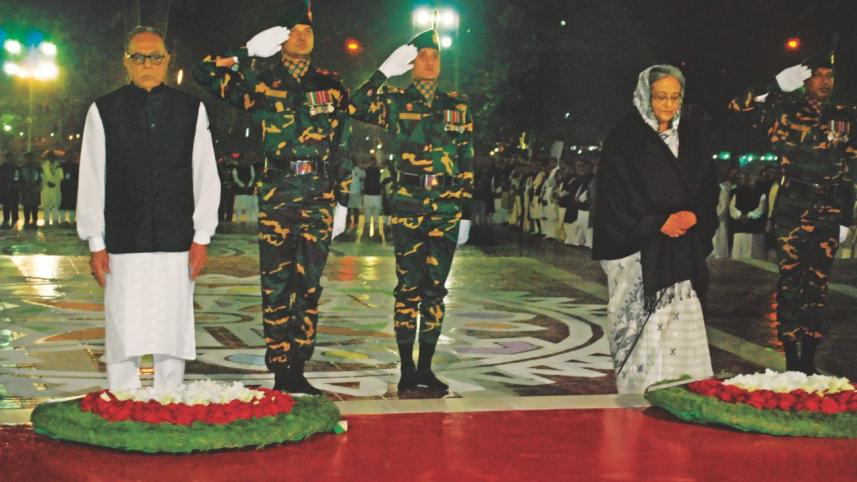
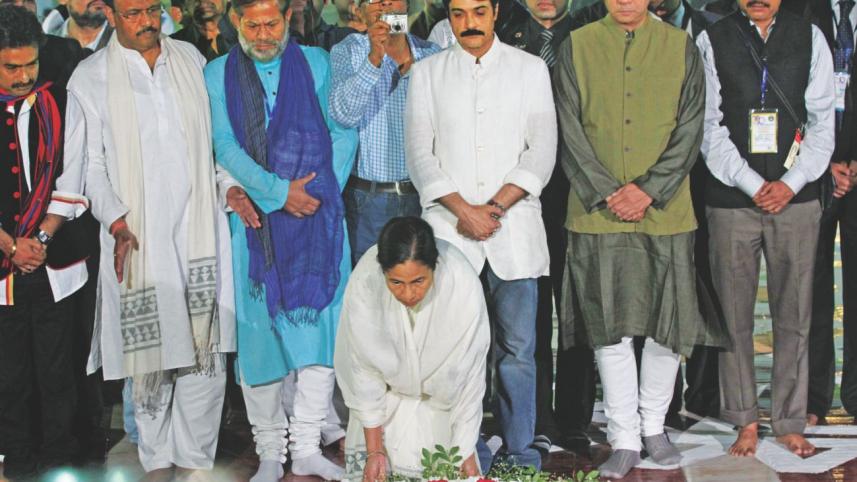
The day is not just to remember their sacrifices and contributions by placing wreaths at the Central Shaheed Minar.
We rather need to comprehend the reason why language activists had protested against the then Pakistan government's decision to make Urdu the sole state language of the erstwhile East and West Pakistan since this historic day did not come to pass on a single day, nor did it end there.
 For all latest news, follow The Daily Star's Google News channel.
 What began with an agitation programme by some students on the Dhaka University campus on December 6, 1947 in protest at discussions in different government forums about making Urdu the state language, reached its climax on the morning of Feb 21 in 1952.
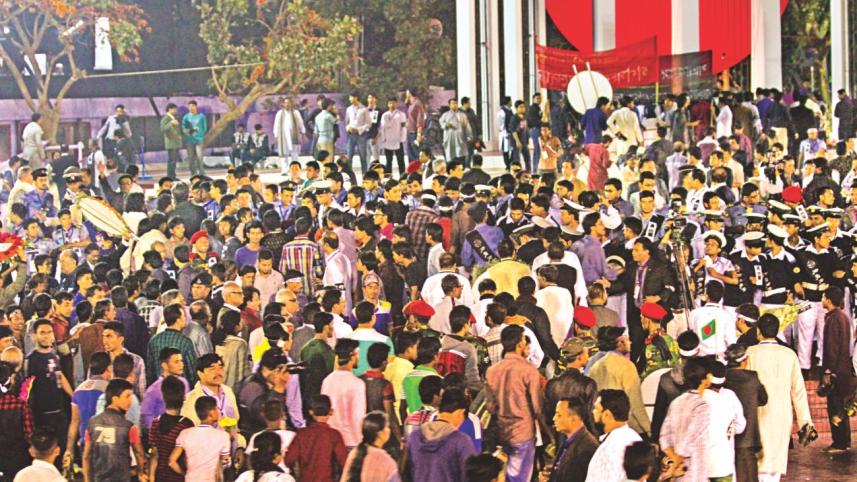
Students of schools, colleges and universities along with ordinary people under the leadership of Abdul Matin and Gaziul Haque gathered on the DU campus near Dhaka Medical College Hospital, violating Section 144, which had been imposed on that day to restrict assembly and protest programmes.
Their procession, which demanded the status of state language for Bangla, was fired upon by police, leaving many including Rafique, Jabbar, Barkat and Salam fatally injured. Their death breathed fire into the language movement ultimately forcing the then Pakistani government to adopt Bangla as a state language alongside Urdu.
However, Ekushey did not end there; it rather planted the seed of freedom in the hearts of Bangalees and 19 years later, an independent country named Bangladesh was born in 1971.
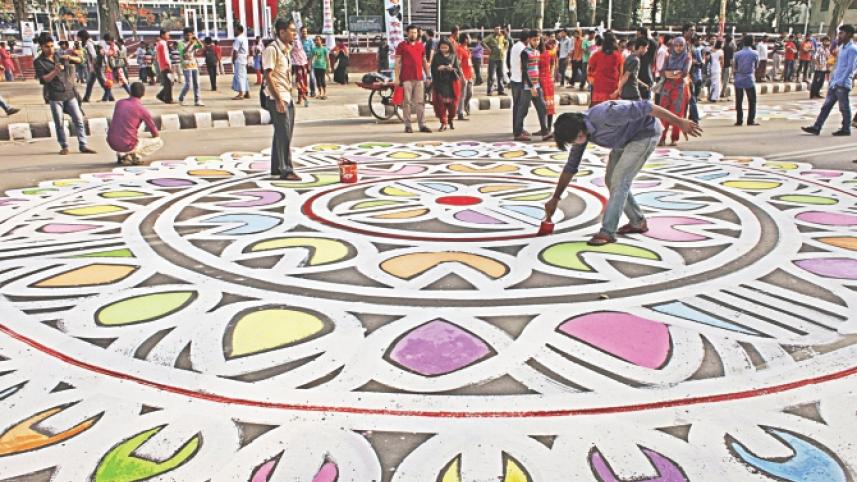
In November 1999, the General Conference of the United Nations Educational, Scientific and Cultural Organisation (UNESCO) proclaimed Ekushey February as the International Mother Language Day, which has since been observed every year to promote linguistic and cultural diversity and multilingualism.
The day is being observed this year with the theme "Inclusive Education through and with Language – Language Matters."
Yet only a few hundred of the approximately 7,000 languages spoken in the world are used in education system and public domain and less than a hundred are used in the digital world, according to a UNESCO website.
In Bangladesh, out of about 40 languages used by different communities including the ethnic minority groups, only Bangla has made it to the education system and the digital world.
On 16 May, 2007 the United Nations General Assembly in its resolution urged its member states "to promote the preservation and protection of all languages used by peoples of the world".
However, in the very country where people laid down their lives for their mother tongue, almost 18 indigenous languages are under threat of extinction.
Therefore, to us Bangalees the language movement of 1952 should mean more than just the right to speak in our mother tongue.
It should constantly remind us to protest against all forms of suppression of rights, whether sponsored by state or non-state machineries, and to stand firmly against domination and aggression of the mighty over the weak for it was Ekushey February that had paved the way for our independence.
On this day, we should, besides placing wreaths at the Shaheed Minar, perhaps recall that poem by Abul Fazal where he tells us that Eksuhey means not bowing your head down to any pressure -- an insight that calls for a country where every single person could express their thoughts in their own words and language without fear.


Comments