


One fatwa for anti-militancy
The country's alem-ulema yesterday decided to issue a "fatwa" that Islam and its followers have no connection with militancy.
A view-exchange meeting between alem-ulema and police over tackling militancy in Bangladesh came up with the idea that signatures of one lakh alem-ulema would be collected to issue the religious edict.

Bangladesh Jamiatul Ulema Parishad Chairman Maulana Fariduddin Masud will form a committee to work on the plan while police agreed to help launch a campaign for building awareness of militancy.
Bangladesh Police arranged the discussion on "Role of Islam in eradicating militancy: Bangladesh perspective" at the headquarters in the capital.
There are some 3 lakh imams and 6 lakh muezzins across the country and so it will not be impossible to collect 1 lakh signatures, said Fariduddin, a noted Islamist thinker.
He added that the fatwa could also be circulated abroad.
Alem-ulema and top police officials who attended the meeting stressed the importance of co-operation between them to tackle militancy.
Yesterday's meeting was the second in two weeks, held amid growing concerns over security threats and probable rise in militancy in the country.
The participants said sermons at mosques across the country during Fridays' Juma prayers would be effective to curb militancy.
As part of a national campaign, teachers are supposed to brief students on the scourge of militancy on a regular basis and imams to deliver anti-militancy sermons before the Juma prayers at mosques.
Though they have significant roles to play in the government's fight against religious extremism, many of them are still unaware of the campaign launched under the Militancy Resistance and Prevention Committee in 2009.
The committee is comprised of officials of different ministries, intelligence agencies and government institutions.
At yesterday's meeting, Fariduddin said some individuals had donated money to mosques and madrasas and become committee members of the religious institutions. Later they were found to be nurturing extremism.
"I even saw imams who could not speak with them, looking at their eyes," he said, urging police to gather information about those individuals.
He also requested all not to spread militancy at waz mahfils (gathering to hear Islamic sermons) through wrong interpretation of Islam.
The Jamaat-e-Islami is responsible for the rise in militancy in the country; its student wing Chhatra Shibir began instilling their ideologies in students at an early age, the Islamic scholar said.
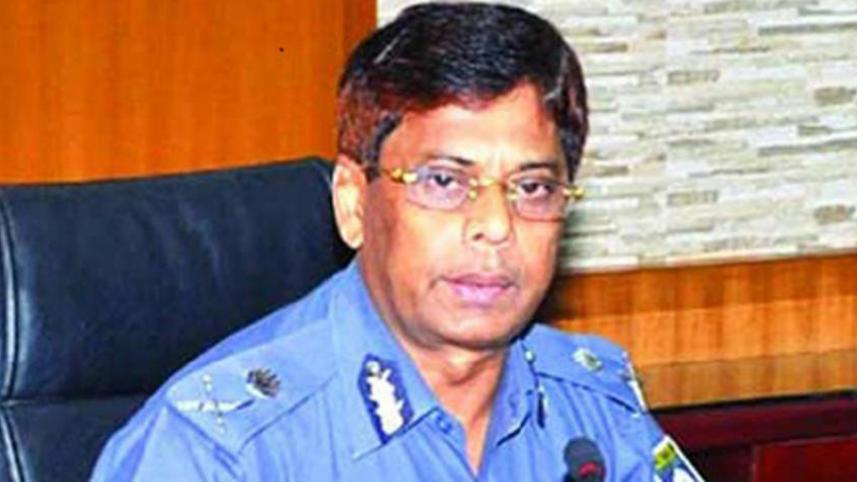
Addressing the meeting, Inspector General of Police (IGP) AKM Shahidul Hoque said the fatwa was a "good decision" but how it would be implemented should be decided by the alem-ulema.
He urged them to assist police in fighting militancy.
"Militancy in our country is at the budding stage now….We want to eradicate it right now with cooperation of all."
Allegations are there that the country's Qawmi madrasas are breeding grounds for militancy, which he does not agree to, the police chief said.
 For all latest news, follow The Daily Star's Google News channel.
 Most of the people arrested in connection with militancy were members of Jamaat, he said.
He, however, reiterated that actions would be taken as per law against those who write against religion.
Additional IGP Javed Patwary of the Special Branch said Islamic scholars' sermons would be more effective than police campaign in tackling militancy, as people would listen to them.
Monirul Islam, deputy commissioner (Detective Branch) of Dhaka Metropolitan Police, said most of the suspected militants nabbed by police were aged between 18 and 30.
It is not possible to contain militancy only through law enforcement, he said, adding discussions at mosques could help grow anti-militancy perceptions.
Those involved in militant activities are enemies of the state, said Additional IGP Mukhlesur Rahman of the police headquarters.
Comments