


Food insecurity linked to rising anxiety and depression
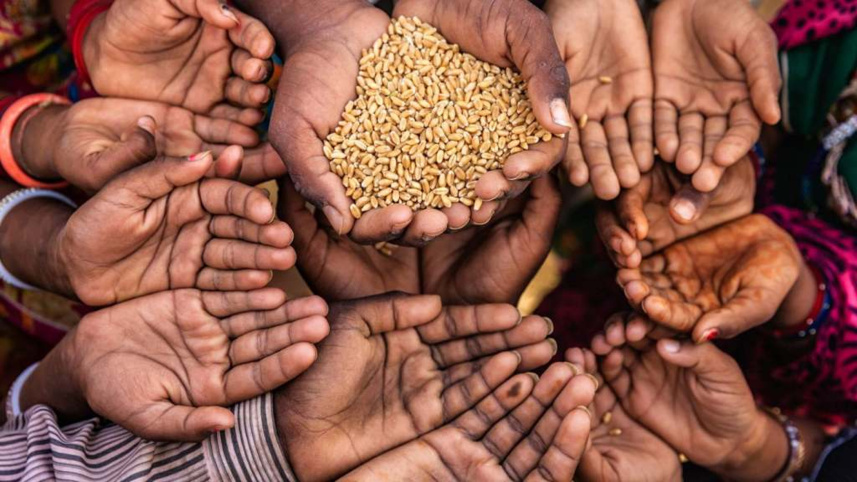
Changes in food insecurity may quickly affect mental health, according to new research published in PLOS Mental Health. The study found that when people struggled to access enough food, symptoms of anxiety and depression tended to increase — often within a month.
Researchers led by Melissa Bateson of Newcastle University, alongside colleagues in France and the UK, collected monthly data from nearly 500 adults between September 2022 and August 2023. Participants reported whether they had experienced food insecurity in the previous week and completed two widely used mental health assessments.

The findings revealed that 39.5% of participants experienced food insecurity at least once during the study period. Among those individuals, shifts in food security were closely followed by changes in mental health. When food insecurity worsened, symptoms of anxiety and depression increased the following month. When food security improved, mental health symptoms also eased.
Governments should treat food security as a core part of mental health strategy. Strengthening social safety nets, expanding access to affordable food programmes, and ensuring stable, predictable support for low-income households could reduce not only hunger but also anxiety and depression. Screening for food insecurity in healthcare settings and responding quickly during economic shocks may help prevent rapid declines in mental wellbeing. In short, stabilising access to food is not just social policy — it is preventive mental health policy.
 For all latest news, follow The Daily Star's Google News channel.
Comments