


Breastfeeding begins with a mother—but succeeds with a system
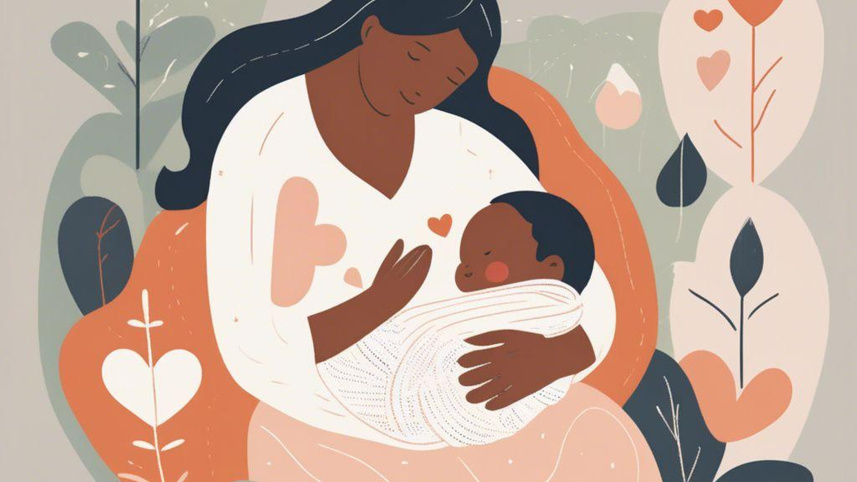
As World Breastfeeding Week is observed from August 1–7, the World Health Organisation (WHO) and UNICEF have renewed a simple but urgent message: countries must stop treating breastfeeding as a mother’s responsibility alone and start building health systems, workplaces and communities that make it possible.
The call comes with encouraging news. Globally, the share of babies receiving only breast milk during their first six months has risen from about 37 per cent in 2012 to more than 47 per cent today. Breastfeeding up to two years has also increased, from 38 per cent to 50 per cent over the past five years.

But averages can hide gaps. Support remains weaker in poorer countries, crisis-hit communities and places where mothers struggle to reach reliable health services. WHO and UNICEF estimate that expanding breastfeeding could prevent nearly 400,000 child deaths and about 140,000 maternal deaths every year.
For Bangladesh, the message deserves attention. UNICEF’s latest country data show that 56.6 per cent of infants under six months are exclusively breastfed. This is progress, but it also means a substantial number of babies are still missing the recommended start.
The problem is not simply whether mothers know breastfeeding is beneficial. A mother may leave a maternity ward without enough practical guidance, face pressure to introduce formula, return to a workplace without privacy to feed or express milk, or receive conflicting advice from relatives and health workers. In such circumstances, telling women to “breastfeed more” shifts the burden onto the very people who need support.
Bangladesh therefore needs to look beyond awareness campaigns. Every maternity facility should ensure that mothers receive hands-on help soon after birth and know where to seek assistance once they return home. Frontline workers should give clear, consistent advice rather than leaving families to navigate myths, advertising and social pressure alone.
Workplaces are another missing link. A clean private room, reasonable feeding breaks, safe milk storage, flexible return-to-work arrangements and childcare nearby can determine whether a working mother continues breastfeeding. These should not be viewed as generous extras. They are practical investments in the health of families and the future workforce.
Protection from aggressive formula marketing matters too. Earlier UNICEF findings in Bangladesh showed that mothers can be influenced by recommendations for formula products, including advice coming through health professionals. Families deserve information shaped by a baby’s needs, not commercial interests.
The 2026 World Breastfeeding Week theme, “Breastfeeding for a Sustainable Start in Life: Strengthen What Works”, is therefore timely. Evidence already points towards what helps: trained support, community counselling, paid maternity leave, breastfeeding-friendly workplaces and safeguards against misleading promotion.
Breast milk may be natural, but successful breastfeeding does not always happen naturally. It often requires time, confidence, skilled help and an environment that protects a mother’s choice.
Bangladesh has made gains. The next step is to turn breastfeeding support from a message into an everyday service; from delivery room to home, community and workplace.
 For all latest news, follow The Daily Star's Google News channel.
Comments