


Thalassaemia - A silent disorder, a national concern
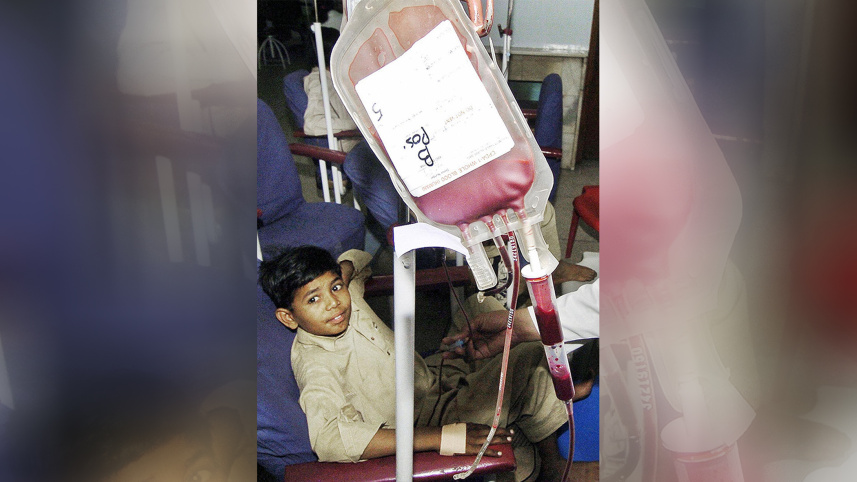
A silent crisis is spreading across Bangladesh, hidden inside families and passed quietly from one generation to another. Thalassaemia, a lifelong blood disorder, is now emerging as a growing social emergency, affecting thousands of families who often have little idea they are carrying the condition until a child becomes seriously ill.
Observed every year on May 8, World Thalassaemia Day serves as a global reminder of the growing burden of inherited blood disorders and the urgent need for awareness, prevention, and accessible treatment. In countries like Bangladesh, where a significant number of people unknowingly carry thalassaemia genes, the day highlights the importance of premarital screening, early diagnosis, and public education. This year’s observance comes at a time when experts are increasingly warning that thalassaemia is evolving from a neglected medical condition into a major social and public health challenge.

Health experts believe nearly 10 to 15 percent of Bangladeshis may unknowingly carry some form of the disorder. In certain northern communities, the rate is believed to be even higher. Yet awareness remains alarmingly low. Many couples begin married life without ever hearing the word thalassaemia, only to face devastating news months after the birth of their child.
The warning signs often appear when a baby is around six months old. Parents notice weakness, unusual paleness, yellowish eyes, or repeated illness. Soon, regular blood transfusions become part of life. For many families, it arrives like a storm without warning.
Thalassaemia is inherited from parents. A person may carry the condition without showing any symptoms, which is why it often remains undetected for years. When both parents carry the disorder, there is a higher chance their child may develop a severe form requiring lifelong treatment. In Bangladesh, one of the most common forms is linked to a blood variation known as Hb-E, which is especially widespread in some regions.
Doctors say simple blood tests can help identify carriers before marriage or pregnancy. However, screening is still not common practice in the country. As a result, many families discover the disease only after their child becomes dependent on regular treatment.
Managing thalassaemia is emotionally and financially exhausting. Children often need monthly transfusions to survive, along with medicines to prevent harmful iron build-up in the body. Without proper care, complications can affect growth, bones, hormones, and overall health. While advanced treatments exist abroad, they remain beyond the reach of most Bangladeshi families.
The financial burden can also be crushing. Even in lower-cost settings, treatment may cost families around Tk 10,000 every month. For lower and middle-income households already struggling with rising expenses, the pressure can become unbearable.
Specialists warn that Bangladesh can no longer afford to overlook the problem. They are calling for nationwide awareness campaigns, accessible screening programmes, and better treatment facilities at district and upazila levels. Many also believe thalassaemia testing should become routine before marriage and family planning.
Despite the challenges, there is hope. Newer medicines are helping some patients reduce their dependence on transfusions, offering families a glimpse of a more stable future. Experts say the fight against thalassaemia now depends not only on doctors, but also on awareness, early testing, and collective social action before the crisis grows even deeper.
For many parents, the greatest pain is knowing the illness could have been prevented through awareness and timely screening. Public health experts say Bangladesh still has an opportunity to slow the crisis before it spirals further. But that window may not remain open for long. The message is becoming increasingly urgent: awareness today can save countless families tomorrow.
The writer is an Associate Professor of Haematology at Shaheed Ziaur Rahman Medical College. E-mail: drsurojit@yahoo.com
 For all latest news, follow The Daily Star's Google News channel.
Comments