


The measles outbreak in Bangladesh demands more than government response alone
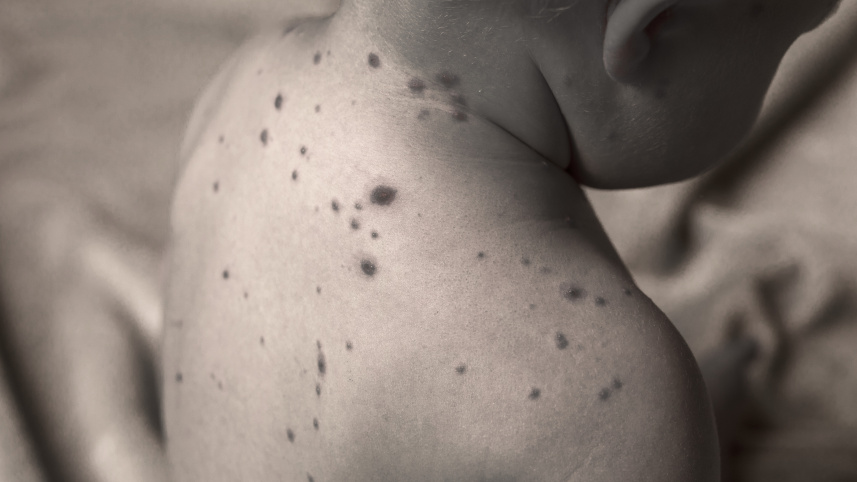
Bangladesh has made commendable progress in the public health domain. Despite being one of the world’s most densely populated nations, the country achieved nearly 95% nationwide EPI vaccination coverage while significantly reducing child mortality, improving maternal healthcare, strengthening family planning programs, and increasing life expectancy over the decades.
That is why the current measles outbreak has become such a serious concern for the nation.

Despite strong immunisation efforts, Bangladesh is now facing a devastating rise in measles infections, complications, and mortality among children. The outbreak has placed enormous pressure on healthcare facilities across the country, particularly in paediatric ICU support, isolation management, ventilatory care, and infection-control systems.
The current crisis has also revealed an important reality: infectious disease management during a large-scale outbreak cannot depend solely on government institutions. During national healthcare emergencies, private hospitals also carry a critical responsibility in supporting the country’s healthcare system.
As part of that responsibility and commitment to accessible healthcare, United Medical College Hospital, the flagship hospital of United Healthcare, rapidly restructured its operations overnight to establish a specialised measles management system while maintaining international infection-control standards with WHO-guided protocols.
A quick triaging followed by a separate isolation wing was assigned exclusively for measles patients and attendants to minimise cross-infection risks inside the hospital. Structured triage systems, restricted patient movement, PPE protection, dedicated NICU and PICU zones, and continuous disinfection procedures are being followed to ensure safer treatment pathways for both infected and non-infected patients.
Recognising that many affected children are arriving from underserved regions of the country, the hospital introduced subsidised treatment support to make healthcare accessible for all social-class. Patients are receiving cabin-level facilities while paying ward-level costs, alongside reduced charges for essential services. One-to-one nursing support, ventilatory care, and continuous monitoring are also being ensured for critical patients.
So far, 16 measles patients have been treated under this specialised system, with 14 successfully discharged in stable condition.
Even during this rapid operational transformation, the hospital has continued emergency and critical care services without interruption. Recently, multidisciplinary teams led by plastic and reconstructive surgeons alongside vascular surgeons successfully managed a fully severed finger reconstruction case, where a patient arrived with a nearly amputated finger following severe trauma. The procedure was completed within hours of the accident, reflecting the hospital’s ability to maintain advanced emergency care while simultaneously responding to the measles crisis.
Bangladesh’s fight against the measles outbreak requires coordinated action from both public and private healthcare sectors. Proper infection control, affordable treatment access, timely communication, and collective healthcare participation can significantly strengthen the country’s response to this crisis.
Every child deserves timely care. And in moments like these, healthcare becomes a shared national responsibility.
Azharul Islam Khan is the director of Medical Services at United Healthcare Services Ltd.
 For all latest news, follow The Daily Star's Google News channel.
Comments