


How to stay safe in a heatwave
As heatwaves become more frequent and intense, staying safe requires more than just avoiding the sun. This guide brings together practical, everyday steps to protect yourself and your community. With a focus on prevention and awareness, it highlights how small changes can make a significant difference in coping with extreme heat.
One of the most effective ways to stay healthy during heatwaves is proper hydration. Drinking water regularly throughout the day helps the body regulate its temperature. Health experts advise not waiting until you feel thirsty, as thirst already signals dehydration. Oral rehydration solutions or drinks with electrolytes can also help during very hot days.

Clothing choices also play an important role in managing heat. Wearing light-coloured, loose-fitting clothes allows air to circulate and helps the body stay cool. Cotton fabrics are especially useful as they absorb sweat and allow it to evaporate. Avoid tight, dark clothing, and velvet fabrics, which can trap heat.
Limiting outdoor activities during peak heat hours is another important step. The sun is usually strongest between late morning and mid-afternoon. If possible, plan outdoor work in the early morning or evening. When outside, using sunscreen, umbrellas, hats, or scarves can protect from direct sunlight.
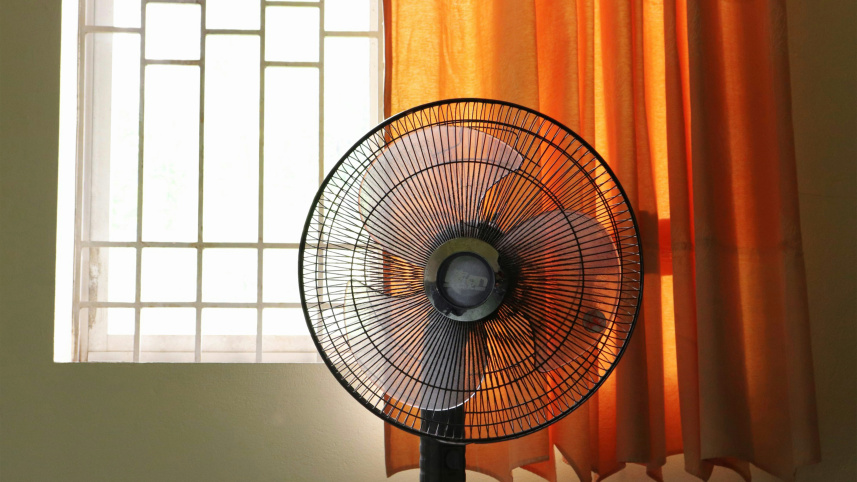
However, keeping indoor spaces cool is equally important. Using fans, keeping curtains closed during peak sunlight, and ensuring proper ventilation can reduce indoor heat. Taking cool showers or placing a damp cloth on the body can help lower body temperature. Simple actions like switching off unused electrical appliances also reduce indoor heat.

Nature-based solutions can also make a difference. Planting trees around homes or buildings provides shade and reduces surrounding temperatures. Even small balcony gardens or potted plants can help cool the environment slightly. Rooftop gardening is becoming popular in cities, as it reduces heat absorption and improves air flow.
Indoor plants may also support a cooler environment. While they do not drastically lower room temperature, plants like aloe vera, areca palm, snake plant, and peace lily can improve air quality and create a fresher indoor atmosphere. This can make rooms feel more comfortable during hot weather.
Pouring water on rooftops during the hottest parts of the day is a common and effective local practice. It helps cool down concrete surfaces, which otherwise trap heat and raise indoor temperatures. Using temporary shading, such as bamboo covers, cloth sheets, or rooftop sheds, can also block direct sunlight and reduce heat inside rooms.
Moreover, food habits can influence how the body handles heat. Eating light meals with fruits and vegetables helps maintain hydration and energy levels. Foods with high water content, such as watermelon, cucumber, and oranges, are especially helpful. Heavy, oily, or spicy foods should be reduced during extreme heat.
Special care should be given to vulnerable groups. Children, elderly individuals, pregnant women and those with existing health conditions are more sensitive to heat. They may not always recognise early symptoms, so regular monitoring is important. Ensuring they stay hydrated and cool can prevent serious health risks.
Simple changes in daily routine can reduce heat exposure. Taking frequent breaks, avoiding overexertion, and resting in shaded or cooler areas are important. Carrying water, using handheld fans, or using a wet towel can provide quick relief when needed.
If someone shows signs of heatstroke, immediate action is necessary. Move the person to a cooler place, loosen tight clothing, and give water if they are conscious. Cooling the body with wet clothes or fanning can help reduce temperature. Medical help should be sought quickly if symptoms do not improve.
Community awareness also plays an important role. Checking on neighbours, especially the elderly, and sharing information can prevent emergencies. Collective efforts can reduce the overall impact of heatwaves in densely populated areas.
Prevention is better than a cure. Heatwaves are a growing challenge, but their effects can be managed through awareness and simple actions. From hydration and clothing to planting greenery and cooling rooftops, small steps can make a big difference. Protecting ourselves and others requires consistency, but it can help everyone stay safe during extreme heat.
 For all latest news, follow The Daily Star's Google News channel.
Comments