


Keep your home mosquito free with these smart solutions
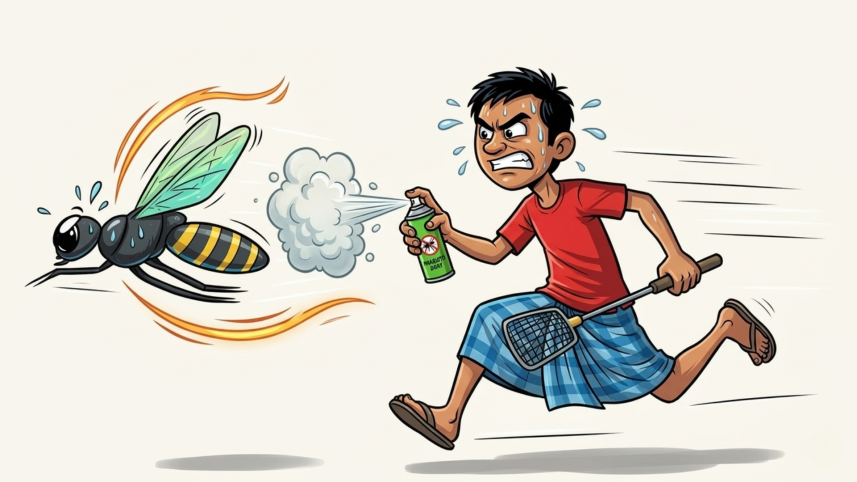
The familiar buzz of mosquitoes is becoming a daily nuisance in many homes across Dhaka. What once seemed like a seasonal problem now appears more frequently. With rising temperatures, humidity and recent rainfall, their numbers are growing exponentially in every neighbourhood. Beyond the irritating itches and skin bites, these mosquitoes carry serious illnesses like dengue and chikungunya. Hence, protecting ourselves while stopping them from breeding is our responsibility.
One of the most neglected facts due to a lack of adequate knowledge is how little water mosquitoes need to breed. Even a small amount, as much as a spoonful of stagnant water, is sufficient for the larvae to grow. Water standing for a few days may become a breeding site.

In cities like Dhaka, mosquitoes often grow in places people rarely notice. Old tyres, plastic containers, drums and unattended water tanks are common breeding spots. Studies in Bangladesh show that many mosquito larvae are found in water-filled containers around homes and construction sites.
The simplest protection begins with removing stagnant water around the house. We should empty and clean the flower pot trays, rooftop containers and discarded bottles. Cleaning and washing the rooftop gutters and drains also helps prevent water from collecting and turning into mosquito breeding grounds.
Indoor areas should be checked regularly and thoroughly. Water that gathers behind refrigerators, inside unused coolers or in plant trays can attract mosquitoes. Keeping indoor spaces dry and well-ventilated reduces the chances of mosquitoes growing inside the home.
Another useful method is improving physical barriers, such as by installing window screens, repairing broken nets and using mosquito nets, especially at night, can greatly reduce the bites. Even small gaps between the windows and doors should be sealed, and mosquitoes easily enter through the tiniest gaps.
In addition, one should close all doors and windows, especially those opening to the outdoors, before the evening to prevent the entry of mosquitoes into the internal spaces. Fans on full speed can also help, as mosquitoes are weak fliers and find it difficult to fly against strong gusts. Running a fan in the evening can make it harder for them to approach us indoors.
Many people are now turning to natural solutions. Certain plants produce strong scents that mosquitoes dislike. Plants like citronella grass, basil, lavender, rosemary, peppermint, and marigold are often used around homes to discourage mosquitoes naturally.
These plants are easy to grow in small pots on balconies, windowsills, or near doorways. Besides helping to reduce mosquitoes, they improve air quality and add greenery to living spaces. While they may not eliminate mosquitoes, they can greatly support other prevention strategies and are much better alternatives than artificial smokes.
However, as many of these techniques are available, personal protection is more important, especially during peak mosquito hours at dusk and dawn. Wearing long sleeves and light-coloured clothing can greatly reduce exposed skin. Applying safe mosquito repellents to the skin can be very helpful for outdoor activities.
Maintaining neighbourhood cleanliness is another powerful defence mechanism. Blocked drains, piles of waste and dirty water bodies provide ideal breeding grounds for mosquitoes. Community efforts such as cleaning drains, covering water storage tanks and disposing waste properly can greatly reduce the mosquito population.
Ultimately, controlling mosquitoes is not the sole responsibility of the city authorities. It begins with everyday actions at home and in our surroundings. Protecting ourselves from mosquitoes is vital, keeping Eid holidays in mind, when Dhaka city will be much vacant. A simple mix of awareness and practical steps will go a long way. With simple habits such as removing stagnant water, using protective measures and maintaining clean environments, mosquito numbers can be reduced significantly.
 For all latest news, follow The Daily Star's Google News channel.
Comments