


Stuck in traffic? Here’s how to prevent heat exhaustion
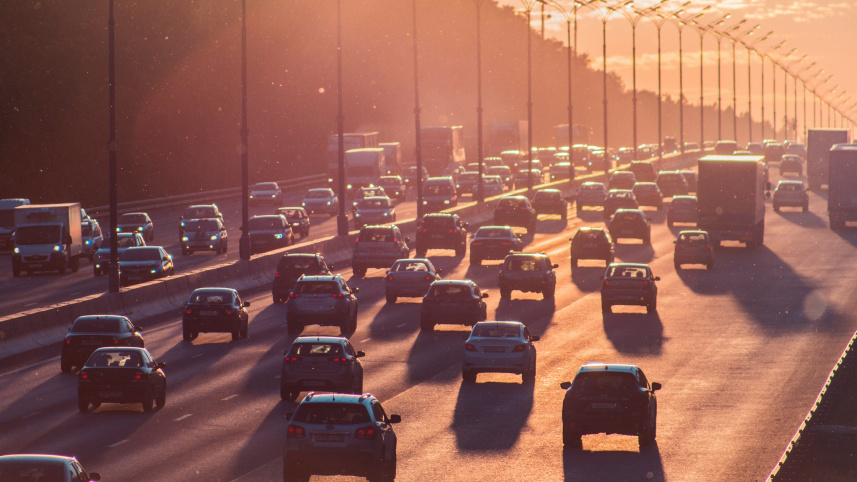
As temperatures keep soaring in our beloved city, sitting in the already annoying traffic becomes more and more uncomfortable. With most public transport lacking proper ventilation or shade, here are a few tips to help you stay cool while stuck in traffic.
Why does heat feel worse in traffic?
Three things make the heat stress worse when you are stuck on a crowded bus, in a CNG, or tied to the back of a bike. The engine's heat comes from a lot of cars parked close by, the heat coming off the asphalt roads, and the lack of airflow.

What actually works? Cooling hacks backed by science
Experts recommend a combination of hydration, wardrobe alterations, and a few other little changes that are guaranteed to give.
Hydration is key
Experts recommend carrying a litre of cold water in an insulated bag so that the water remains cool. Resist the urge to chug and instead take small sips every 10-15 minutes. Adding salt or a pack of ORS is a better strategy if you stay out for prolonged periods of time. If using ORS, always prepare according to package instructions.
The wet cloth trick
Occupational hazard researchers recommend placing a wet cloth behind the ears, neck, or wrists due to the abundance of major blood vessels. Cooling these areas in turn cools the entire body.
Research has found that placing a damp cloth over the neck or behind the ears, as well as wiping wrists and the temples, provides a significant cooling effect on the body. To do this, keep a spare cloth with you and dampen it with water. Repeat as needed.
Clothing colour matters
Scientists found that wearing lighter shades, such as white and yellow, keeps you much cooler as opposed to wearing colours like black. The reason being, lighter shades reflect heat, whereas darker colours absorb it. Loose-fitting clothes are a bonus, and stacking these two really helps.
Time your casual hangouts
Scheduling your casual hangouts and meetings with friends and family is likely to protect you from the sun and heat. As the temperature falls after sunset, commuting at that time is likely to expose you to less harsh heat.
Bottom line
While the heat is unbearable and the commute is unavoidable, it is necessary to take precautionary steps to reduce the risk of heatstroke or severe dehydration. The research is detailed: strategic hydration, active cooling methods, smart clothing, and timing choices can protect your health. Your commute doesn't have to be a medical emergency.
Start today, and your body will thank you later.
 For all latest news, follow The Daily Star's Google News channel.
Comments