


Learn from my mistakes before your first Nepal trek

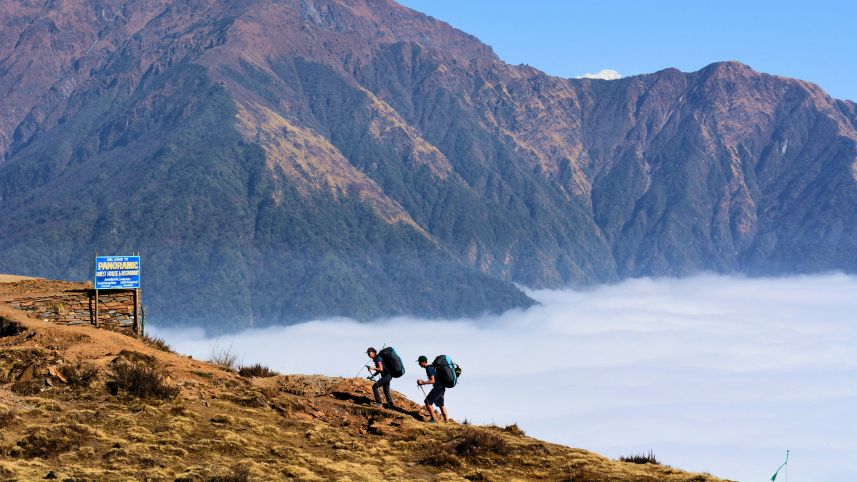
For a lot of Bangladeshis, Nepal feels like the doorway into trekking. After all, it is the capital for trekkers around the globe. Some spend thousands of dollars or a small fortune to fulfil the dream of experiencing the Himalayan ranges. However, for neighbours like us, Nepal is close. It does not demand the kind of money or paperwork that makes you want to give up before you have even packed. And for many of us, that matters.
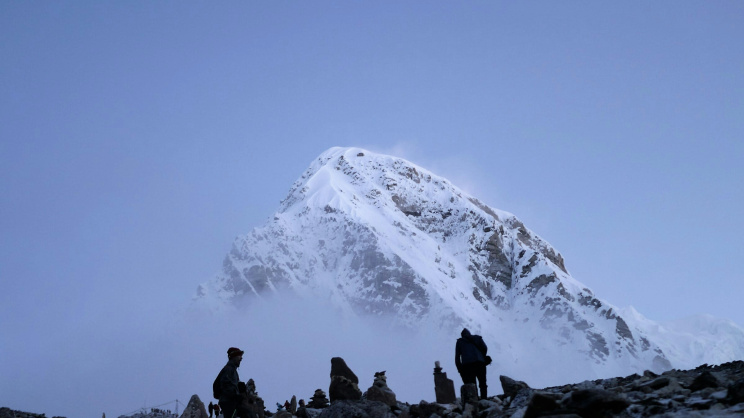

The dream of walking into the mountains feels far less ridiculous when the country is just next door, flights are manageable if planned properly, and almost all the clothing you need can be sourced from home without setting your wallet on fire. That is probably why so many of us consider Nepal before anywhere else. I did too.
Around four or five years ago, I decided to go for my first trek. As any conceited or brash individual, approaching it with the confidence of a man who clearly did not know what he was doing seemed normal.
I got a trekking backpack from Baitul Mukarram in Dhaka and thought, well, a backpack is a backpack. Never really stopped to ask why some bags and gears cost more, why some prefer brands with a reputation, or why seasoned trekkers focus on “expensive” gears that offer quality support, straps and accessibility. I am sure some of you are finding it a bit dramatic; it sounded the same to me at the time.
The string of confident mistakes continued with footwear. Instead of proper trekking boots, I wore a pair of high-neck police boots from Kachukhet. In my head, boots were boots. Strong-looking, covered the ankle, job done.
Then the trail started teaching me things the hard way. The bag broke. My feet were in horrible pain. And because mountains do not care about your budget logic, I had to finish that trek wearing the consequences of my own bad decisions. It was miserable, but useful. That first trip stripped away a lot of my false confidence.
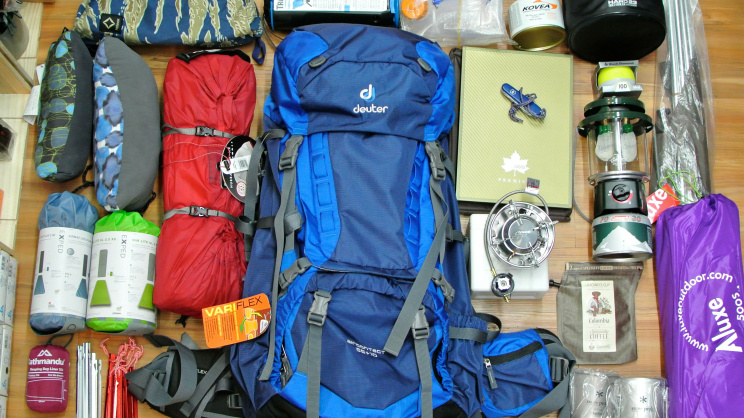
Over the next few treks, I began to realise two things. One, I genuinely loved trekking. Two, if I loved it that much, I had to stop treating it casually. That shift did not happen overnight. It came piece by piece.
First with the backpack. The first one I got from Baitul Mukarram was a bit of a disaster. One of the locks broke, and then the waist buckle gave up in the middle of the trek. Later, I bought a cheaper bootleg trekking backpack from Kathmandu. Better, yes. But still limited. Not enough space, accessibility or comfort. Only when I finally got a proper branded trekking backpack did I understand what I had been missing all along. The back support, the lumbar support, and the ease of reaching things without turning your life upside down on the trail. It felt less like carrying a burden and more like the bag was doing what it was meant to do.
Footwear followed the same story. Police boots first. Then, a cheap trekking boot that lasted roughly one trek before it started giving up on me. Then, finally, a proper pair of trekking boots that made me understand why people spend money on such things in the first place. Not for the logo or for show. Just because pain is a very honest teacher.
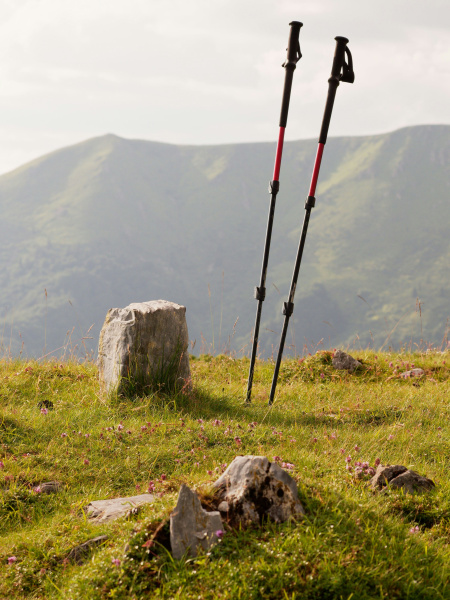
The same went for trekking poles. I started with a very cheap one from Kathmandu. It broke easily. After that, I got myself a proper one from Decathlon, and the difference was not glamorous, just reliable. Sometimes that is all you want from gear. Reliability!
Even my relationship with water changed. At first, I carried a plastic bottle and thought I was sorted. Then I went higher and realised cold water in the mountains is not a small inconvenience. It gets into your body, your mood, your energy. Later, I started carrying a thermos. Then, eventually, a Nalgene, which turned out to be one of those small upgrades that quietly change everything. At night, keeping it close to my chest inside the sleeping bag kept me warm. In the morning, I had lukewarm water waiting for me. Small thing. Big comfort.
But the biggest lesson was not about gear at all. It was about respect. For the mountains, yes, but mostly for my own body.
When you first start, especially from Bangladesh, trekking can feel surprisingly accessible. Clothes like thermals, trekking trousers, socks, base layers and windbreakers can often be sourced here at very reasonable prices. But technical gear is different. Backpacks, boots, trekking poles, and even the way you carry water, these things need understanding. And if you are a first-time trekker, it is actually wiser not to throw a fortune at expensive gear right away.
Start small. Do an easier trek. See if trekking is even your thing. See how your body reacts. See what kind of trekker you are. Some people want comfort. Some can tolerate roughness. Some care more about weight, others about support. You only learn that on the trail.
I believe that is what Nepal gave me, again and again! Not just views, not just stories, but a clearer understanding of myself. The mountains slowly taught me that adventure is not about winging it and hoping for the best. It is about paying attention. To your breath, your knees, your feet and to the difference between discomfort and danger.
That, to me, is where trekking really begins. Not when you buy the gear, but when you finally understand why you need it.
 For all latest news, follow The Daily Star's Google News channel.
Comments