


5 leadership lessons you can learn from Lionel Messi
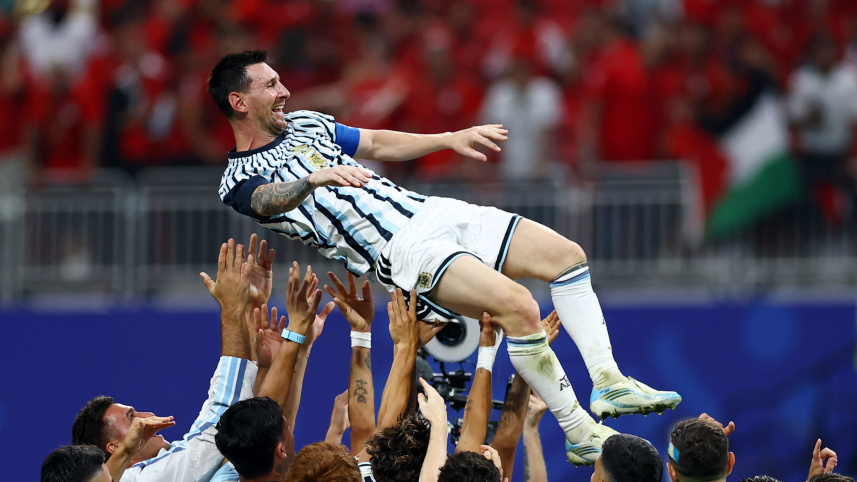
You don't have to be the loudest person in the room to become its leader.
For years, Lionel Messi was criticised for being too quiet. Many questioned whether someone so reserved could captain Argentina. Then he lifted the World Cup.

Somewhere along the way, the "too quiet" captain became the player an entire squad would follow without question. His teammates respect him because that trust was earned, not demanded.
Whether you're leading a team at work, running a business, managing a classroom or organising a community project, there are a few lessons worth taking from the way Messi leads.
Earn trust before asking for loyalty
Messi didn't become Argentina's leader because someone handed him the captain's armband. He became the leader because he'd spent years carrying the team's biggest hopes, dealing with criticism and coming back anyway.
By the time Argentina finally started winning trophies again, his teammates had seen every setback and every comeback. They trusted him because he'd already lived through the same pressure they were facing.
The same applies outside football. You can't join a company on Monday and expect everyone to trust your decisions by Friday just because your job title says "manager."
People want to know you've been through the same challenges they face. The leaders who earn the most respect are usually the ones who started where everyone else did and never forgot what that felt like.
You don't have to be loud to be heard
Leadership is often confused with volume.
Messi rarely shouts. He doesn't deliver dramatic speeches or constantly wave his arms around telling everyone what to do. Yet when he speaks, people listen.
That's because his words carry weight. They're not lost in endless talking.
Quiet people sometimes think they can't lead because they aren't naturally outspoken. Messi has spent years proving otherwise. You don't need the biggest voice if you've built the strongest trust.
Think about the best teacher, supervisor or club president you've worked with. Chances are they weren't the person speaking every minute of every meeting. They listened first, spoke when it mattered and made people pay attention because their words usually solved problems instead of creating more noise.
Protect your people
Good leaders don't only celebrate their teammates. They look after them too.
During Argentina's previous World Cup camp, Alejandro "Papu" Gómez became the target of constant jokes after dyeing his hair light blonde. According to Gómez, Messi eventually stepped in and told the others to leave it alone. The teasing stopped.
It wasn't a dramatic confrontation. Messi didn't embarrass anyone. He simply recognised that a joke had gone far enough.
The same thing happens in classrooms and offices every day. Maybe a new employee keeps getting blamed for mistakes they didn't make, or a quieter classmate becomes the target of jokes during group work.
Good leaders don't ignore those moments because they're uncomfortable. They step in early, before small problems become bigger ones.
Make everyone feel part of the journey
Watch Argentina walk onto the training pitch and you'll often notice something interesting. Messi leads from the middle, with familiar teammates beside him and the rest following behind. More importantly, he never behaves as though success belongs to him alone.
Whenever Argentina win, Messi is usually among the first to celebrate everyone else. Goal scorers, substitutes, coaching staff, even the kit managers often find themselves pulled into the celebrations.
 For all latest news, follow The Daily Star's Google News channel.
 Whether it's a university presentation or a successful project at work, people remember how credit was shared. A leader who says "we did it" instead of "I did it" creates a team that's willing to work just as hard the next time around. Feeling appreciated is often a stronger motivator than praise directed at one person.
Stay calm, even when everyone else isn't
Leaders set the emotional tone for everyone around them. If they panic, everyone else usually does too.
Messi rarely loses his composure, even in the biggest moments. He stays calm under pressure, and that confidence spreads through the rest of the team. If their captain still believes, there's no reason for anyone else to panic.
Imagine a project deadline is only hours away, or your team has just realised something has gone badly wrong before an important presentation. If the person in charge starts panicking, everyone else usually follows. But when a leader stay composed and focuses on the next step instead of the worst-case scenario, the entire team begins to believe the problem can still be solved.
Comments