


Bangladeshi youth are discovering the thrill of Formula One racing
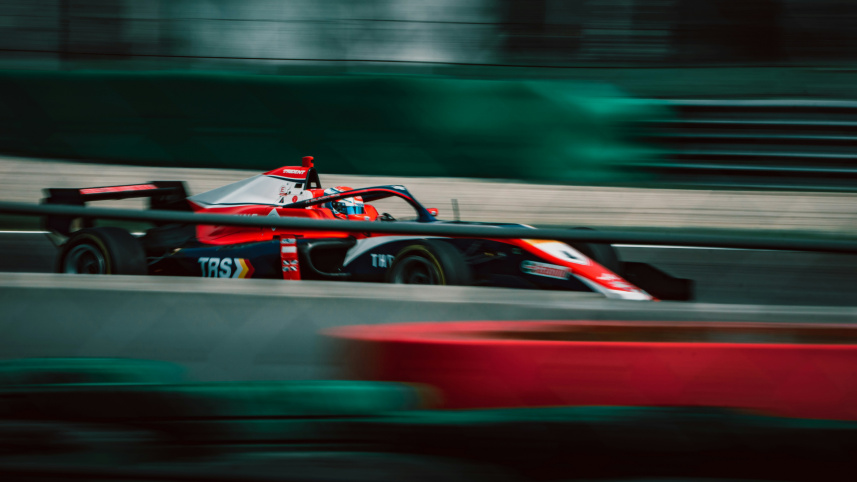
It often begins with a single clip: a car slicing through the rain, a last-second overtake, or the dramatic glow of lights going out on the grid. For many young viewers in Bangladesh, the journey into Formula One doesn’t start with live broadcasts or family traditions, but with a moment of curiosity on screen. In late-night addas, cricket, and football still rule the TV screen, but a niche fanbase is slowly being pulled into a world of speed, strategy, and spectacle.
Formula One isn't just about the roar of engines or carbon-fibre machines. It's the thrill of 300 km/h chaos on the circuit, backed by hundreds of engineers and strategists. The sport, as cinematic as it is competitive, is gaining traction among Bangladeshi audiences.

Fans have discovered the sport through Instagram reels, shows like Drive to Survive, F1: The Movie, and the official F1 videogames. For many, the entry point isn’t technical, but rather a viral clip of a miraculous escape from a fiery crash, or a lap under dark skies during a rain-soaked qualifying session. As Noshina Samiha, an undergraduate student, recalled, “Visually it was incredible to watch. After seeing that, I became very curious about the sport and started looking for more content.”
Beyond speed, it’s the engineering behind the spectacle that hooks fans. “It’s a game of hundredths of a second, where every small thing matters,” explained Ahnaf Newaz, who got into the sport through the F1 game. Mahtab Mahdi Nihal, a mechanical engineering student, highlighted how G-forces, weight distribution and team strategies turn it into a high-stakes science. As he put it, “Nothing happens randomly in F1. Everything happens for a reason.”
That intensity often peaks in specific moments during a race weekend. For many, it’s the race start. “When the five red lights go out and 20 cars launch at the same time, anything can happen,” as Era Khanam, a dancer, described. Others find the thrill in constant position battles. “Overtaking is the most exciting part for me,” added Noshina Samiha, recalling how wheel-to-wheel fights keep her heart racing.
But following the sport comes with its own challenges. With races taking place across different time zones, fans often have to adjust their routines, sometimes waking up unusually early or staying up late, just to stay connected. “I once woke up early on a Sunday morning just to watch it. I really wanted to see if that kid could win on that day,” said Mahima Suraiya Islam, an international student, and a keen follower of Kimi Antonelli.
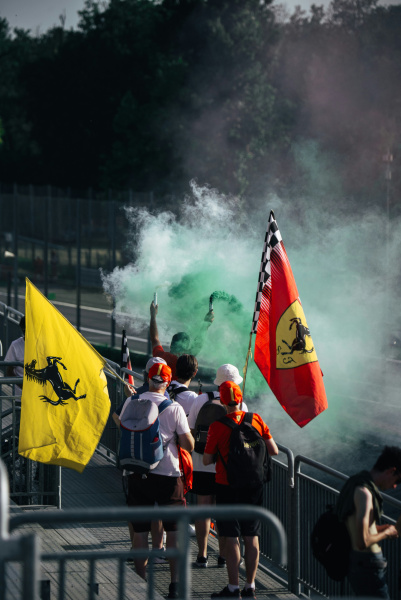
Whether it is fitting a race into a tight work schedule or discreetly following updates during class, fans find ways to stay connected. “I once left the office an hour early just to watch a race live,” recalled Swachchha Ahmed, a finance professional.
From the luxury car brands to the high-profile sponsors and celebrities on the trackside, the sport blends racing with high-end lifestyle. It’s often considered a rich people’s sport. Yet for many, following it from afar only fuels the desire to one day experience it in person.
F1's appeal is shaped by icons, from veterans like Ayrton Senna and Michael Schumacher, to modern icons like Lewis Hamilton and Max Verstappen, names even non-fans recognise. Its global calendar sets it apart from other sports' repetitive nature, hitting 24 tracks across five continents for a world tour, unlike football's Europe focus or cricket's subcontinent loop. And like football has its iconic rivalries, Formula 1 has its own, between teams like Ferrari, Mercedes, or Red Bull Racing.
The crashes, collisions and leader board chaos in the final minutes of qualifying add raw adrenaline. As access improves and interest continues to rise, the community is only getting stronger. The engines are revving louder here; don't get left in the dust!
 For all latest news, follow The Daily Star's Google News channel.
Comments