


Is your pet over 10? These care tips could save their life
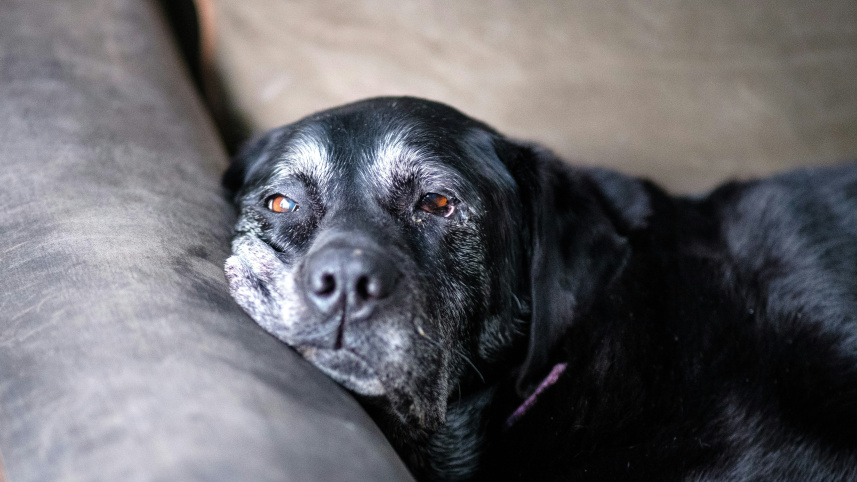
One day, your dog no longer races to the gate when you come home. Your cat, who once leapt effortlessly onto cupboards, now takes the easier route through the sofa. Their face begins to grey, their naps become longer, and they seem content watching the world from a quiet corner.
These changes can be difficult to accept, but they are also signs of something worth celebrating. Growing old is a privilege not every pet gets to experience, especially in a country like Bangladesh.

According to Dr Md Tanvir Ul Alam, Veterinary Officer at Animedcare, cats and dogs are generally considered senior once they are over 10 years old. However, he emphasises that healthy ageing begins much earlier.
Recognising the signs
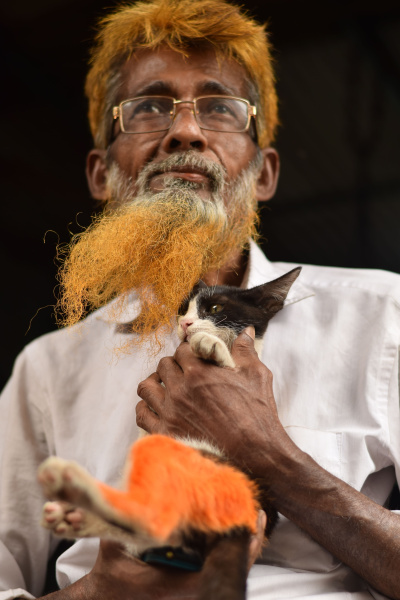
Ageing is not always obvious.
"The fur gradually loses its glossy appearance and becomes rougher. Tartar develops on the teeth, activity levels decrease, and there are behavioural changes," explains Dr Alam. "Internally, organs like the liver and kidneys also become compromised with age, even if the pet looks healthy from the outside."
Cats and dogs often hide discomfort remarkably well. A pet that appears healthy may already be developing kidney disease, arthritis, or other age-related conditions without showing clear symptoms.
This is why owners should pay attention to subtle changes rather than waiting for visible illness.
Prevention begins before old age
One of the biggest misconceptions among pet owners is that veterinary visits are only necessary when a pet becomes sick.
Dr Alam recommends taking a more proactive approach.
"I strongly advise every pet parent to perform a Complete Blood Count (CBC) and a Comprehensive Biochemistry Panel once a year from the age of three," he says. These tests assess major organs such as the liver, kidneys, and pancreas while also checking blood chemistry, electrolyte levels, and other important indicators.
Many serious diseases, particularly Chronic Kidney Disease (CKD), remain undetected until they reach an advanced stage.
"There is no way to detect the early stages of Chronic Kidney Disease without a blood test," says Dr Alam. "By the time symptoms appear, often very little can be done beyond supportive treatment."
For Bangladesh's growing population of indoor cats, this advice is especially relevant, as kidney disease is among the most common illnesses seen in older felines.
Food matters more than ever
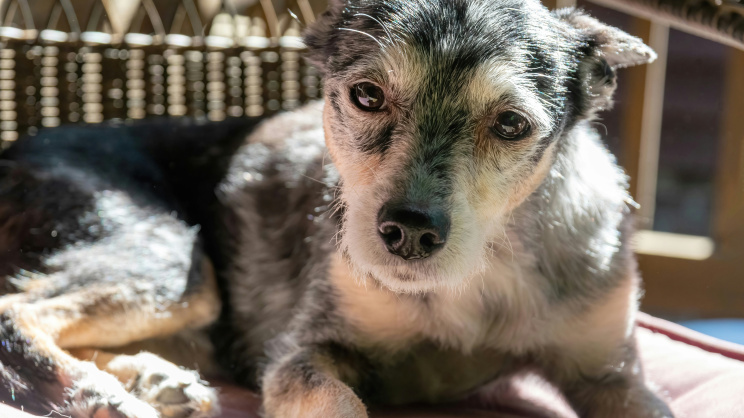
As pets grow older, their nutritional needs change. Continuing the same feeding routine throughout their lives may not be enough.
"Senior cats need additional nutritional supplements," says Dr Alam. "Sometimes protein also needs to be restricted depending on the condition. Owners should also ensure they receive the right balance of calories, carbohydrates, and healthy fats."
Hydration becomes equally important.
"For senior cats, making them drink enough water is one of the most important issues for maintaining metabolism," he explains.
Omega-3 fatty acids, commonly available as fish oil supplements, may also support joint health and help reduce age-related inflammation. However, supplements should always be introduced under veterinary guidance.
 For all latest news, follow The Daily Star's Google News channel.
 Dr Alam also advises owners to be selective about commercial pet food.
"In our experience, low-quality commercial foods can have severe effects on the kidneys or liver because of preservatives, additives, or chemicals," he says. "Homemade food, when properly balanced, often supports healthier ageing than poor-quality commercial diets."
Managing mobility
Just like humans, senior pets become more susceptible to joint problems. According to Dr Alam, arthritis is more common in dogs than in cats and is often influenced by breed.
"The most important thing is maintaining a healthy weight," he says. "If an older pet becomes overweight, the tendency for arthritis increases." Moderate exercise remains important, particularly for dogs. Short walks help maintain muscle strength without placing excessive stress on ageing joints.
Inside the home, simple adjustments can also make a difference. Soft bedding, non-slip mats on tiled floors, and easily accessible food and water bowls reduce unnecessary strain.
The gift of growing old together
Perhaps the greatest responsibility of caring for a senior pet is recognising that love changes with age.
It becomes less about long games of fetch and more about comfortable bedding, regular health checks, balanced meals, and slower walks on cool evenings. Our pets spend their lives adapting to our routines. They wait patiently while we work, celebrate with us during life's happiest moments, and quietly comfort us during difficult ones.
When they grow old, they ask for very little in return.
As Dr Alam's advice makes clear, healthy ageing is not simply about treating illness. It is about noticing small changes early, making thoughtful adjustments, and allowing our companions to spend their later years in comfort.
After all, growing old together may be one of the greatest gifts any pet and owner can share.
Comments