Do you know your coffee?

One of my vivid childhood memories is of red paper cups and cans too large for my small hands -- the cola and coffee my parents enjoyed, but seldom allowed me to have.
As I grew up, that fascination grew into equal fondness for the two dark beverages.

Those days, coffee in Bangladesh was a rare thing and meant a spoonful of instant granules, stirred into a mélange.
However, that modest ritual has been quietly, yet decisively, displaced. In its place stands a more exacting culture that asks, with a raised brow and a knowing half-smile -- do you know your coffee?
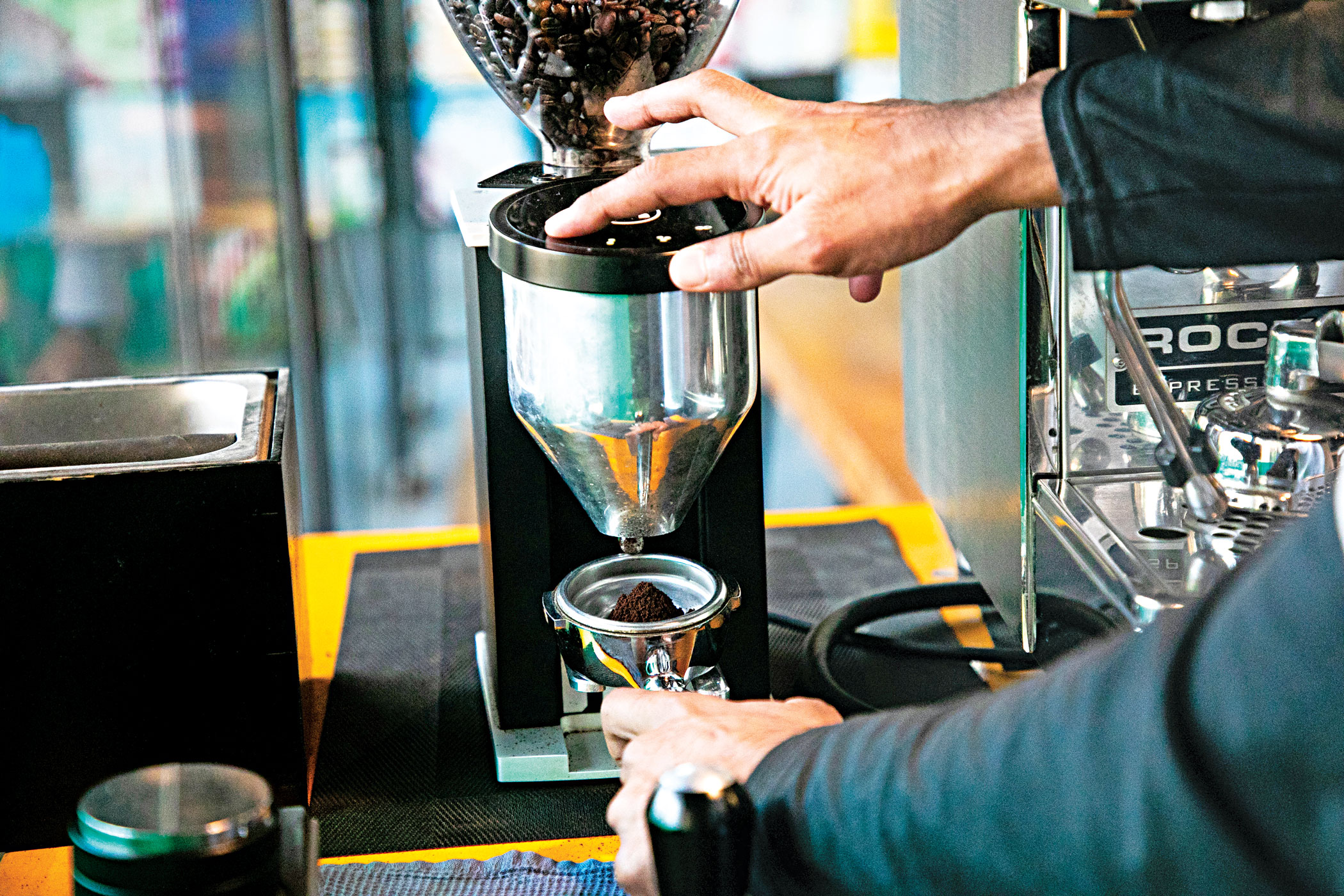
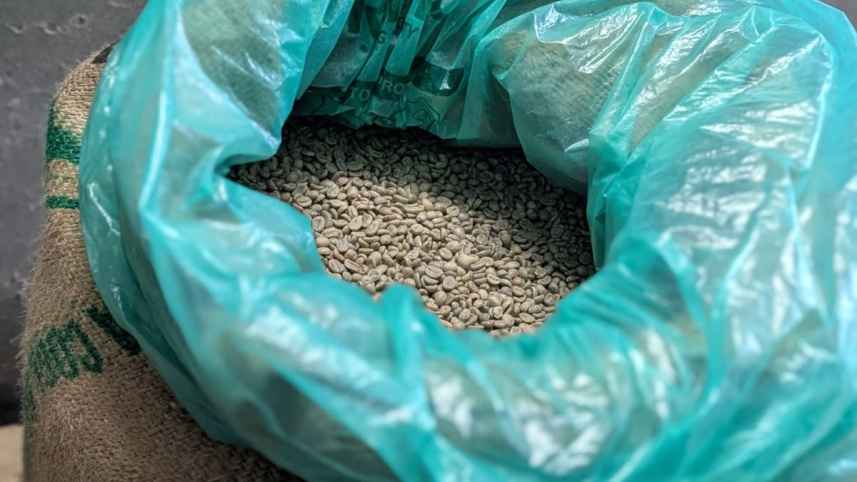
At the centre of this transformation lies the roastery, arguably the least glamorous but most consequential stage in coffee’s journey. Strip away latte art and café aesthetics and what remains is closer to a chemistry lab than a lifestyle brand -- green beans subjected to heat until they release their latent complexity.
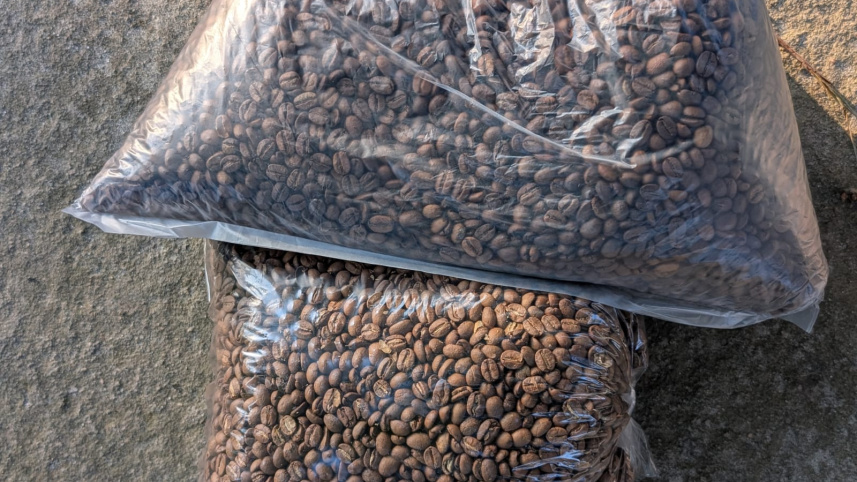
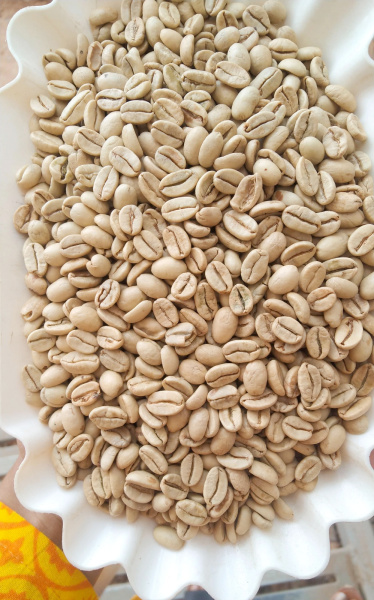
Sourcing, too, is no trivial matter. In Bangladesh, the economics are shaped by a steep import structure, with duties reaching 59%, making green bean procurement both costly and strategically selective.
Before roasting, coffee beans are dense, obstinate things. Afterwards, they become aromatic, expressive.
Roasting triggers a chain of chemical reactions, most notably the Maillard reaction and caramelisation, which unlock hundreds of flavour compounds. Acidity sharpens, sweetness deepens, bitterness finds structure rather than bluntness.
A roaster, in this sense, is less technician than conductor, calibrating time, temperature and airflow with near obsessive precision. A few seconds too long and nuance collapses into char.
In Bangladesh, this once-invisible craft is stepping into public consciousness.
Rise of roasteries in Dhaka has quietly reconfigured coffee drinking into something participatory. The consumer is no longer simply a customer but a kind of initiate, watching beans crack, darken and release their oils before they ever reach the cup.
The shift mirrors a global specialty coffee movement, but with a distinctly local texture. The Hill Tracts, for instance, have begun to enter the conversation, producing beans that remain nascent but promising, hinting at a terroir-driven identity.
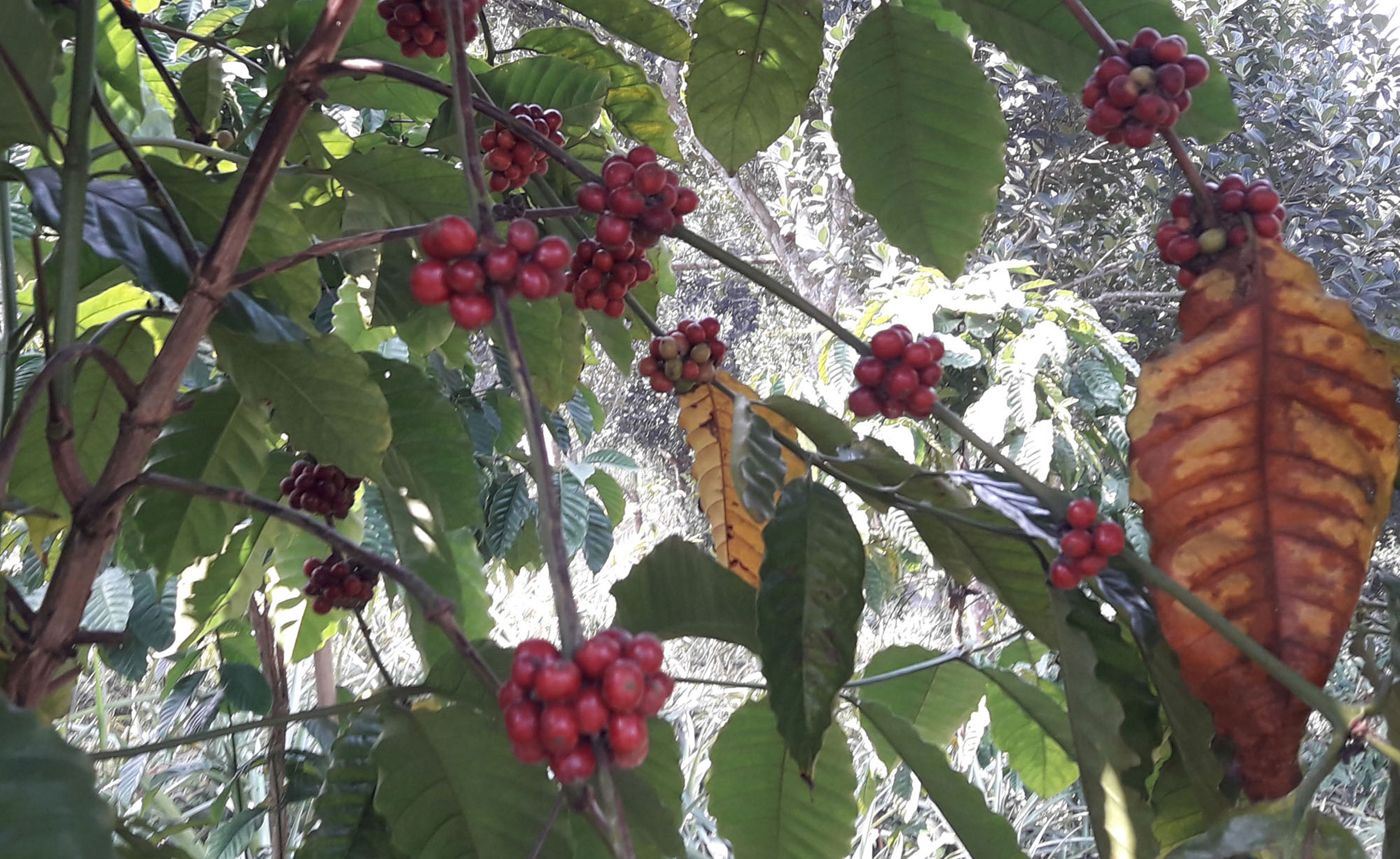
Roasteries are now bridging this domestic potential with international sourcing, forming blends that are at once rooted and cosmopolitan.
Consider North End Coffee Roasters, widely regarded as a pioneer of Bangladesh’s specialty coffee movement. Since 2011, it has expanded across Dhaka while championing both imported single-origin beans and its own Hill Tract Blend, an early acknowledgement of local cultivation. Its influence is not merely commercial; it has reshaped public taste, shifting it from the blunt familiarity of instant coffee towards nuance.
 For all latest news, follow The Daily Star's Google News channel.
 Elsewhere, East Bengal Coffee Roasters offers a more immersive philosophy. Its roastery in Kuril and café in Gulshan frame coffee as education rather than consumption. One encounters Guatemala’s Huehuetenango and Colombia’s Huila, each cup an exercise in sensory literacy.
Udoy Coffee takes a different path, operating in small batches with almost evangelical clarity of purpose. Its focus on freshness and sustainability, along with efforts to support local production in Shariatpur’s Naria, reads as quietly radical in a market still seduced by imported prestige.
Innovation has also found its voice. IZH Coffee has helped democratise specialty coffee through cold brew packs and drip bags, translating what was once café-bound ritual into something portable and domestic. Convenience matters here, and formats like drip bags and cold brews strip away the intimidation factor of manual brewing.
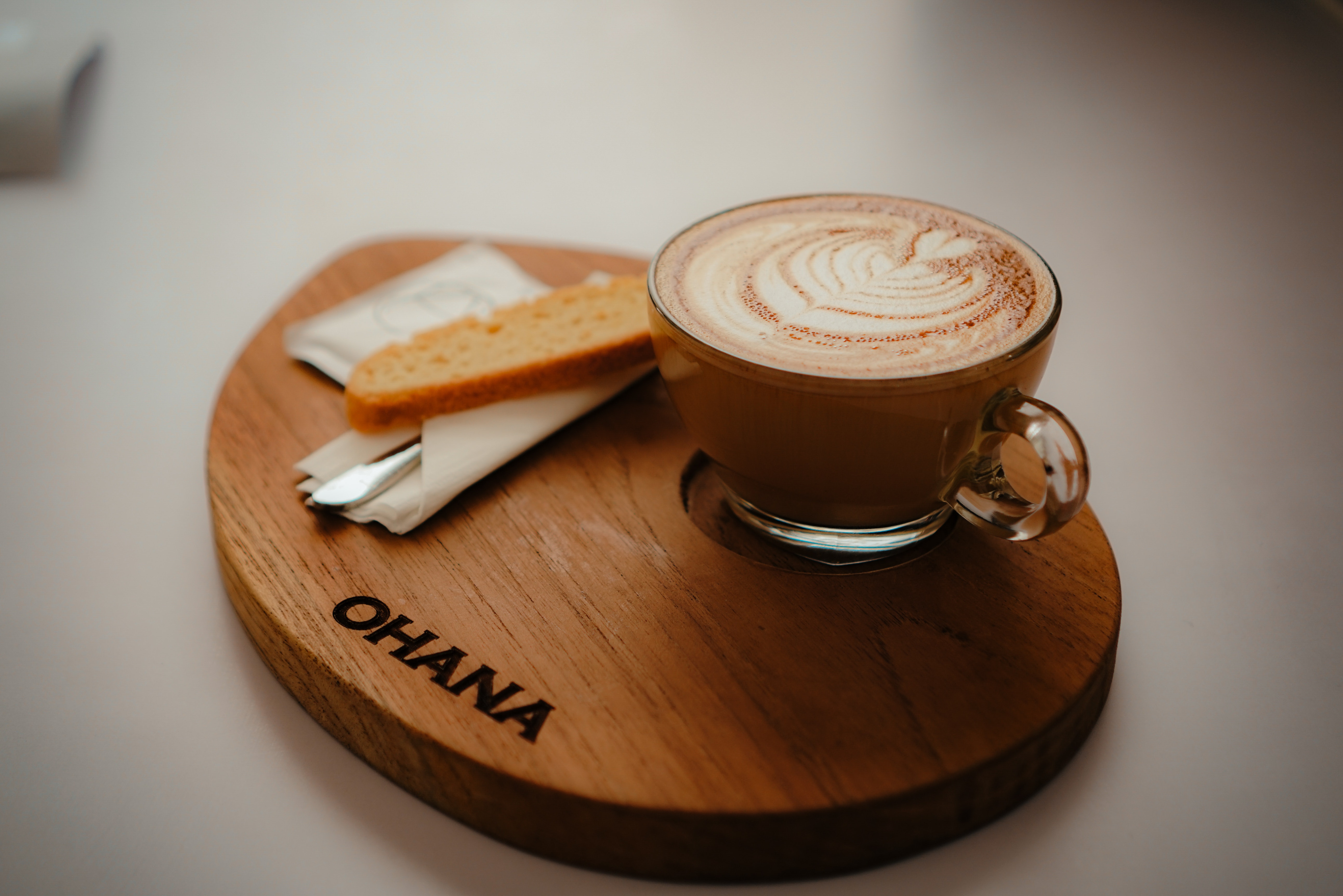
Enterprises such as Drinkin’ and Brewnique are experimenting with mass-market cold brew formats, while Awake Coffee Roasters in Banani treats roasting as a visible, almost theatrical craft within its own space.
In Chattogram, Oro Roasters offers a more restrained aesthetic, prioritising single-origin clarity over spectacle.
Different in tone and scale, these roasteries converge on a single idea -- coffee culture is not a monolith but a spectrum.
Distinction between artisanal and commercial roasting can be drastically different.
Artisan roasteries work in small batches, foregrounding the quirks of origin and process.
Commercial operations, by contrast, aim for uniformity, ensuring that every cup tastes reassuringly identical.
Bangladesh, still in the early phase of its coffee awakening, leans decisively towards the former. There is a visible appetite for discovery rather than standardisation.
Origin itself has entered everyday vocabulary.
Ethiopian beans are often floral. Colombian profiles tend towards fruitiness. Indonesian coffees lean earthy. Rwanda and Burundi offer berry-driven brightness. Thailand experiments at the margins, pushing fermentation and process innovation.
Roast levels have also migrated into public understanding.

Light roasts are now appreciated for their acidity and complexity. Medium roasts offer balance. Dark roasts remain bold, smoky, and assertive, carrying a kind of gravitas. Choice, increasingly, is not incidental but expressive.
Perhaps the most significant shift, however, is epistemic.
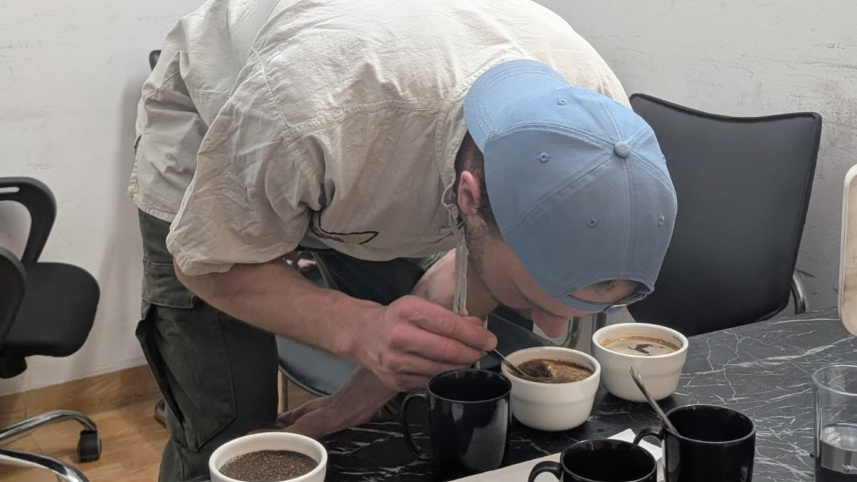
Coffee is no longer merely consumed; it is interrogated. Consumers ask where beans come from, how they were processed, when they were roasted. Cupping sessions, once confined to professionals, are gradually entering public life, inviting participants to read flavour.
This is the quiet revolution of the roastery -- it turns coffee from habit into habitus, from reflex into cultivated attention.
So, do you know your coffee?
In Bangladesh today, the question is no longer rhetorical. It is an invitation to slow down, to taste with intent, and to recognise that between bean and cup lies an entire world, patiently roasted into being.
Mungdi brings hill cuisine to Dhaka

The dudh-cha versus rong-cha debate and how we hijacked a British tea party
Reflection / What Anthony Bourdain taught us about the honesty of taste

An evening at Sumaya Khan’s Supper Club
Why Bangladesh must save its indigenous rice before it disappears
Why Sirajganj sweets taste different from anywhere else

The chef, the GenZ, the dreamer

Kishwar Chowdhury brings her book ‘Smoke Rice Water’ to Dhaka
Chef Zohra Maliha says you're throwing away good food