


Taxing the rich: How Mamdani aims to raise $500m from empty luxury homes
In New York, where property often doubles as a vault for global wealth, a new fiscal idea is taking shape -- if a home sits empty but is worth millions, its owner should pay for the privilege.
At the centre of the debate is the pied-à-terre -- a French phrase meaning “foot on the ground”.

In practice, it refers to a second home, typically in a major city, used occasionally rather than as a primary residence. It is, in essence, a luxury urban foothold: valuable, desirable, and frequently unoccupied.
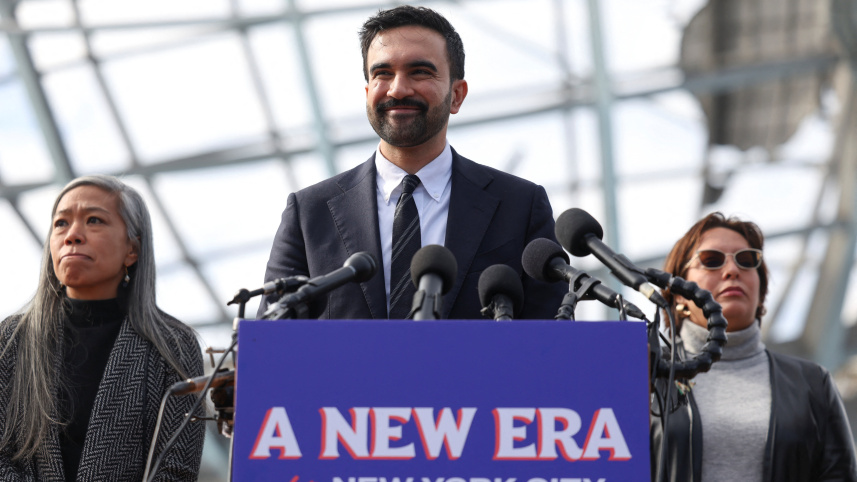
Mayor Zohran Mamdani has embraced a proposal by Governor Kathy Hochul to tax such properties if they are valued at $5 million or more. The plan would allow New York City to impose an annual surcharge on these secondary residences, specifically targeting ultra-wealthy owners who do not live in the city full-time.
The projected yield is substantial. According to the governor’s office, the tax could generate at least $500 million annually, offering a new revenue stream as the city navigates budget constraints.
Reuters reports that the measure has emerged as a politically viable way to raise funds without widening the tax burden on ordinary residents.
Mamdani has framed the proposal in stark, redistributive terms.
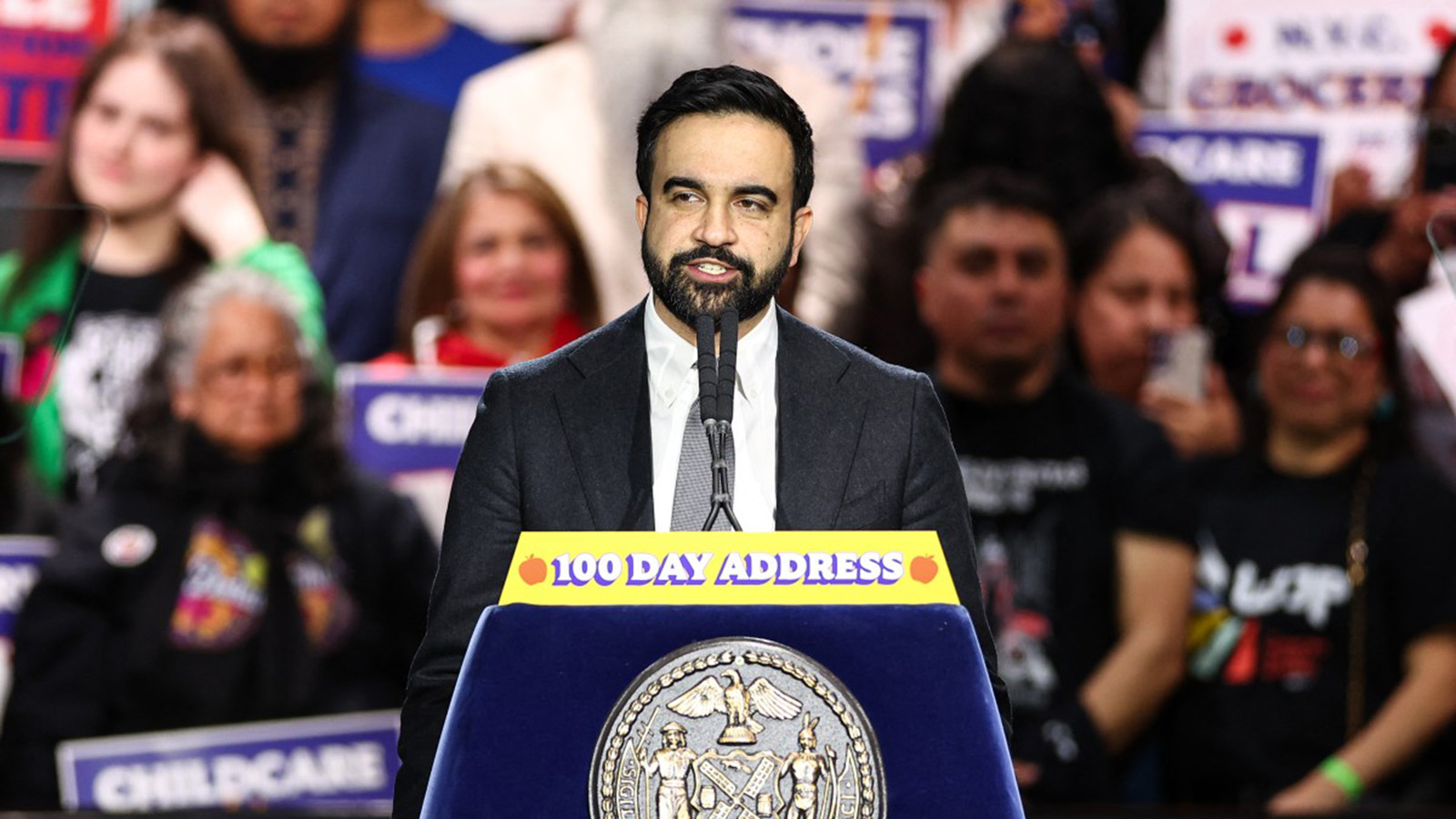
“When I ran for mayor, I said I was going to tax the rich. Well, today, we’re taxing the rich,” he said in a video message, adding that the measure is aimed at the “richest of the rich” who “store their wealth in New York City real estate but who don’t actually live here”.
He went further, calling the current arrangement “a fundamentally unfair system that hurts working New Yorkers”, and declaring: “Now, it’s coming to an end.”
For Hochul, the emphasis is on fairness without broad disruption.
“It is not a tax on residents. That is so important. We’re talking about people who are ultrawealthy,” she said at a news conference.
In a statement, she sharpened the point: “If you can afford a $5 million second home that sits empty most of the year, you can afford to contribute like every other New Yorker.” The goal, she added, is to ensure such owners “are still fairly contributing towards the funding of the essential services like policing and parks that make New York City a global destination.”
However, the idea is not without precedent.
Variants of second-home or vacancy taxes exist in France, the United Kingdom and Canada.
The policy sits within a broader global debate over whether cities should tax underused luxury real estate more aggressively or risk discouraging investment.
There is also a symbolic edge. City Hall has pointed to figures such as hedge fund billionaire Ken Griffin, whose record-setting Manhattan purchase came to epitomise homes as financial instruments rather than lived spaces.
 For all latest news, follow The Daily Star's Google News channel.
Comments