


Bangladesh, US discuss elections, trade and Rohingya crisis in Washington meetings
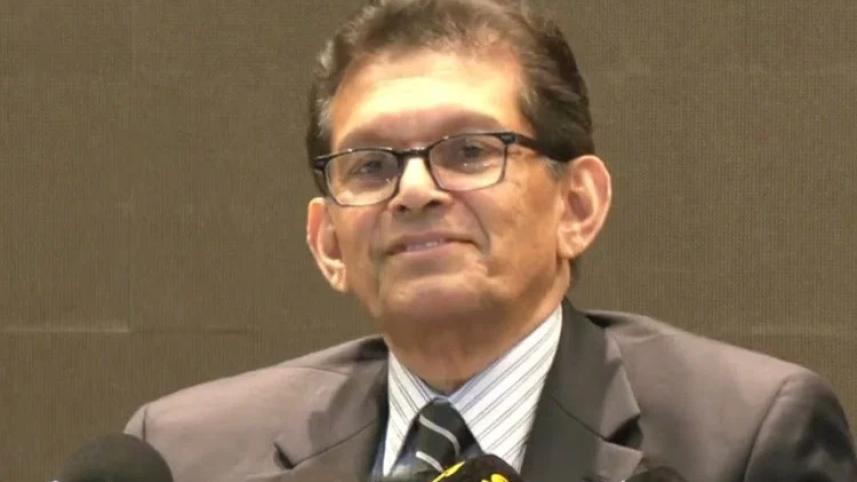
National Security Adviser Dr Khalilur Rahman held meetings with senior US officials at the State Department in Washington DC today, focusing on Bangladesh’s upcoming elections, bilateral trade, the Rohingya crisis and regional issues.
Khalilur met Under-Secretary of State for Political Affairs Allison Hooker and Assistant Secretary of State Paul Kapur separately.

During the meeting with Hooker, Khalilur briefed her on preparations for the upcoming general elections and expressed appreciation for US support to the interim government, including its assistance with the electoral process.
Hooker said the United States continues to strongly support Bangladesh’s democratic transition and looks forward to free and fair elections in February.
Amid ongoing efforts to stabilise Gaza following months of war and a fragile ceasefire process, the adviser also expressed Bangladesh’s interest, in principle, in joining a proposed international stabilisation force to be deployed in the territory, according to a statement from the Chief Adviser’s Press Win
In response, Hooker said the United States is willing to work together with Bangladesh on the matter.
In November last year, the UN Security Council adopted a US-sponsored resolution endorsing US President Donald Trump’s 20-point plan aimed at ending Israel’s war on Gaza.
One of the key clauses of the resolution supports the creation and deployment of an international stabilisation force (ISF) to provide security and oversee the implementation of the ceasefire agreement in Gaza.
Khalilur also highlighted prospects for increased bilateral trade following Bangladesh’s substantially higher imports of US agricultural products. He also requested easing travel for Bangladeshi businesspeople to the US in light of the recently imposed visa bond, and sought exemption of short-term B1 business visas from the requirement.
Hooker acknowledged the issue and said the US government would positively consider the step. She added that if tourist overstays decline significantly, Washington may review the bond requirement. She also expressed appreciation for Bangladesh’s cooperation in the return of undocumented Bangladeshi nationals.
The adviser thanked the US for its continued support for displaced Rohingyas sheltered in Bangladesh and requested sustained assistance, noting that Washington is the largest donor to the refugee response.
Hooker thanked Bangladesh for bearing a substantial burden by hosting Rohingya refugees and stressed the need for broader international burden-sharing and a durable solution to the crisis. She also urged Bangladesh to expand livelihood opportunities for Rohingyas during their stay.
Khalilur further requested US consideration of Development Finance Corporation (DFC) financing for Bangladesh’s private sector, including support for semiconductor development. Hooker assured consideration of the proposals.
In a separate meeting, Khalilur and Assistant Secretary Paul Kapur discussed the forthcoming election, bilateral relations, the Rohingya crisis, the US visa bond, trade, investment and regional issues.
As a special invitee, Khalilur attended the swearing-in ceremony of Brent Christensen as the new US ambassador to Bangladesh at the State Department.
The ceremony was attended by the Bangladesh ambassador to the US, senior State Department and military officials, former US ambassadors to Bangladesh and US business leaders. In his remarks, Rigas reiterated Washington’s commitment to supporting Bangladesh’s democratic transition.
 For all latest news, follow The Daily Star's Google News channel.
Comments