


Guava growers cash in on supply crunch

Guava farmers in Pirojpur's Nesarabad upazila and neighbouring Jhalakathi Sadar upazila are enjoying record prices this season after production fell to what growers describe as the lowest level in recent memory.
In a normal year, guavas sell for around Tk 800 per maund at the start of the season before falling to Tk 400 or lower once harvesting peaks. This year, farmers say, prices have stayed unusually high throughout the peak harvest, which began roughly three weeks ago, with premium-grade fruit fetching more than Tk 1,000 per maund.

The reversal comes down to scarcity.
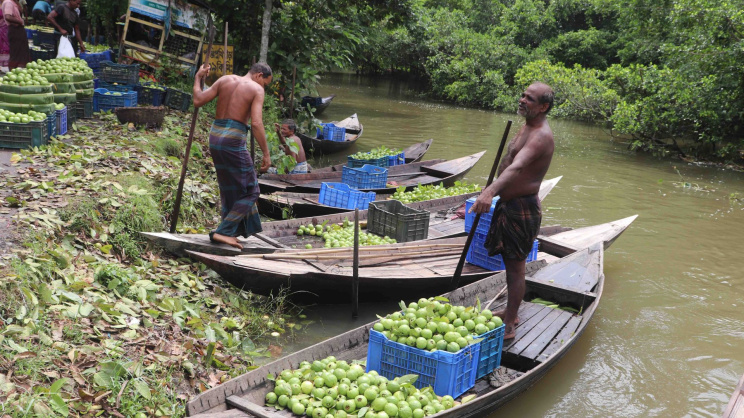
Growers say orchards are yielding only about a third of what they produced a few years ago, a decline they attribute to unfavourable weather during the flowering period and to worsening pest and disease pressure.
"During the peak season in previous years, our orchards produced so many guavas that we sometimes failed to harvest everything, and ripe fruit was left to rot," said Arun Majumder, a farmer from Satodashkathi village.
"This year the picture is completely different. There are far fewer fruits, and the shortage has kept prices exceptionally high."
Md Nurun Nabi, sub-assistant agriculture officer in Nesarabad upazila, confirmed the trend, saying farmers are earning well despite the shortfall, though the season is likely to end earlier than usual this year.
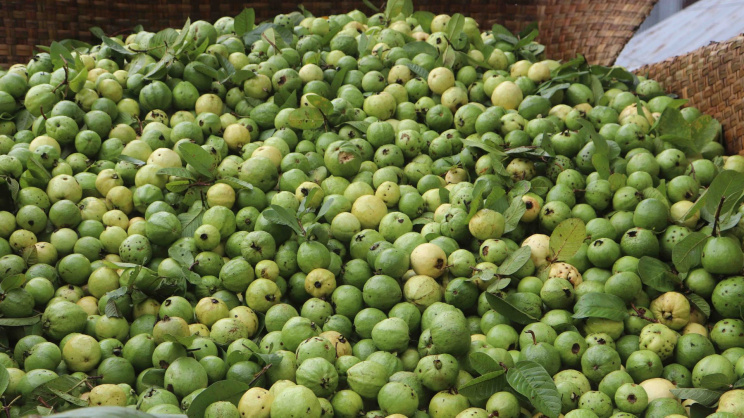
He also attributed the falling yields to anthracnose, a fungal disease that causes black spots on the fruit, along with infestations of beetles and fruit flies whose larvae burrow into the guavas.
"As farmers do not use pesticides to control these pests and diseases, the damage goes largely unchecked," he said.
That damage is cutting further into farmers' earnings. Growers estimate that nearly half of this year's harvest has developed black spots, rendering it unfit for the fresh fruit market.
"As a result, we can sell only about half of what we harvest," farmer Badal Mistry said, adding that spraying pesticides across the sprawling orchards is both difficult and costly.
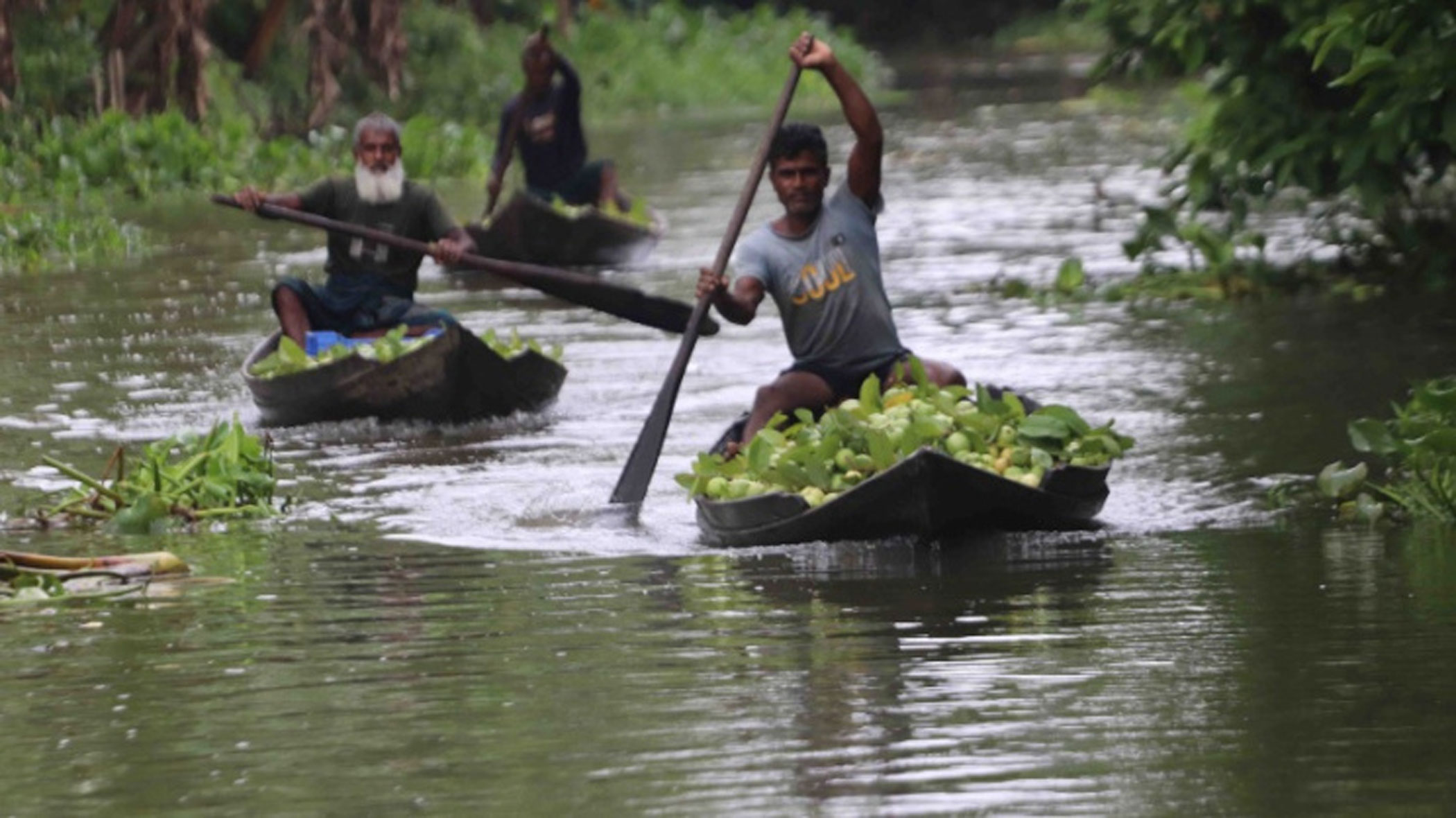
The shortage has also changed the rhythm of the harvest itself. Farmers would normally pick mature guavas from each orchard daily during the peak season, said grower Anup Halder.
"This year we have to wait at least two days between harvests because there simply aren't enough fruits," he said.
"Although production is poor, we're happy, because prices have stayed high throughout."
 For all latest news, follow The Daily Star's Google News channel.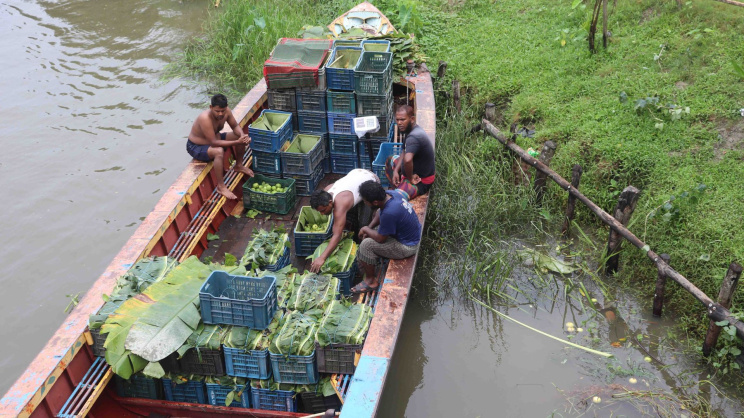
The squeeze has rippled through to traders as well. Goutom Halder, a local commission agent who earns his income helping wholesalers procure guava from growers, said he can no longer collect enough fruit to meet buyer demand.
Wholesaler Jakir Hossain Mollah described a complete reversal in market dynamics: growers who once pressed traders to buy are now being courted themselves.
"We are the ones requesting them to sell to us, even offering higher prices. It has become difficult to collect enough fruit to fill a truck," he said.
According to the Department of Agricultural Extension, seasonal guava is cultivated on roughly 600 hectares in Nesarabad and a further 295 hectares in Jhalakathi Sadar. The fruit is grown mainly across four unions – Atghor Kuriana, Jolabari, Kirtipasha and Nabagram – and supplied to markets nationwide, including Dhaka.