


Referendum, polls on same day, PR for upper house

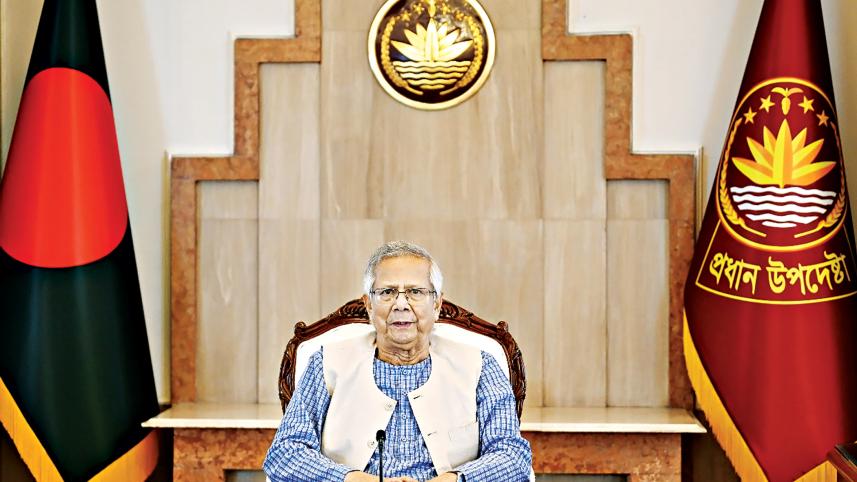
The government yesterday unveiled a set of key decisions, including holding the national election and the July charter referendum on the same day, and introducing an upper house to be formed through proportional representation.
In a televised address to the nation amid heightened political tension over issues related to July charter reforms, Chief Adviser Prof Muhammad Yunus said the referendum would ask a single question on implementing constitutional reforms.
 For all latest news, follow The Daily Star's Google News channel.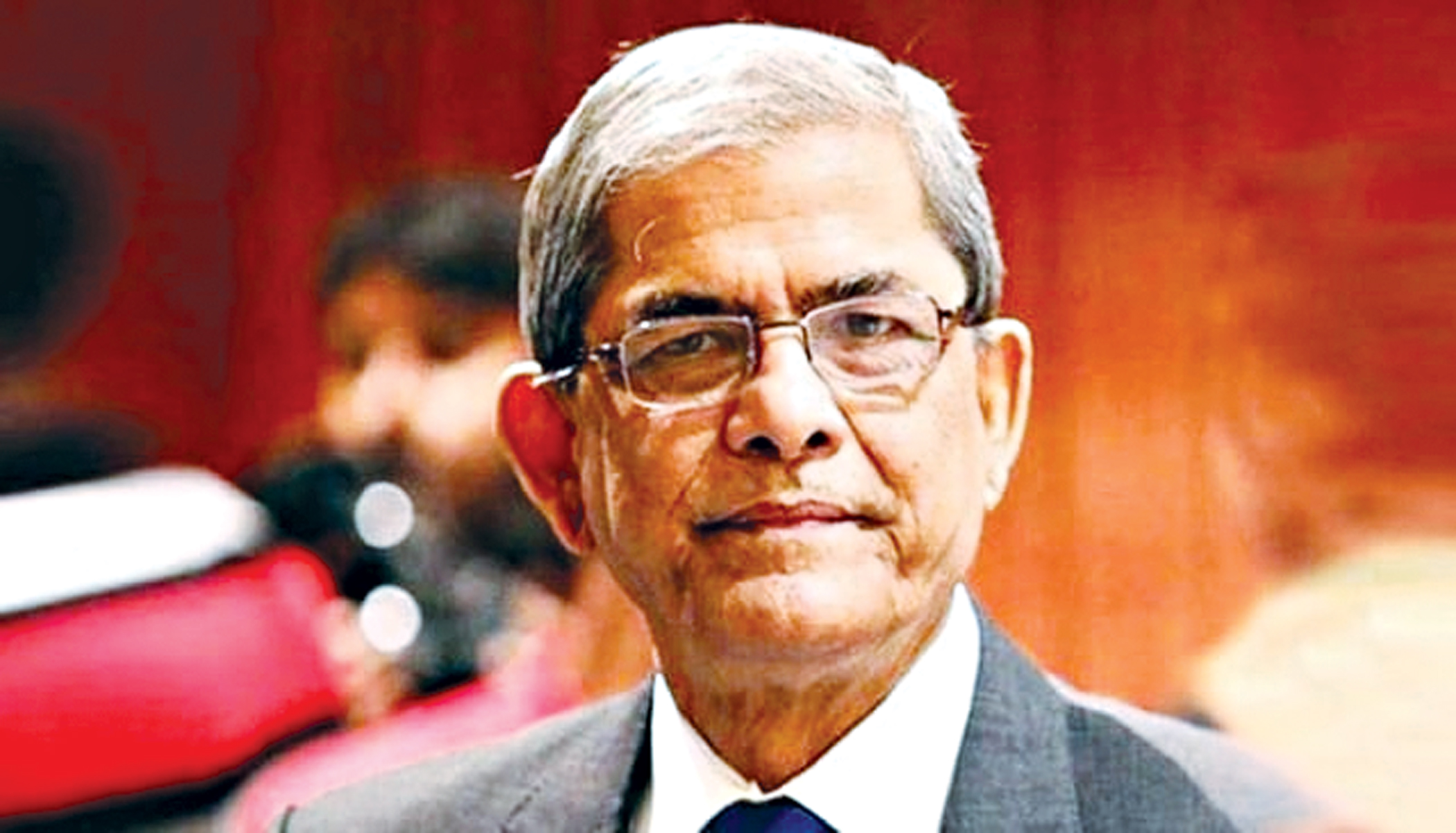
The question, however, will encompass four constitutional reform areas.
Soon after the chief adviser's address, President Mohammed Shahabuddin issued the July National Charter (Constitution Reform) Implementation Order, 2025.
The order dropped a proposed clause that would have automatically incorporated the changes into the constitution if the next parliament, while acting as a Constitution Reform Council, failed to complete the reforms within a set timeframe.
It also shortened the council's deadline from 270 to 180 working days from its first session.
"I hope the political parties will accept this decision in the greater interest of the nation," Yunus said. "The nation will move towards a festive election. Through this, we will enter a new Bangladesh. We have arrived at the threshold of building a new Bangladesh."
The announcement drew mixed reactions from leaders of major political parties. Immediately after the chief adviser's address, some of them reacted sharply.
The BNP, in a statement after a meeting of its Standing Committee, said the committee thanked the chief adviser for the decision to hold the referendum and the election on the same day.
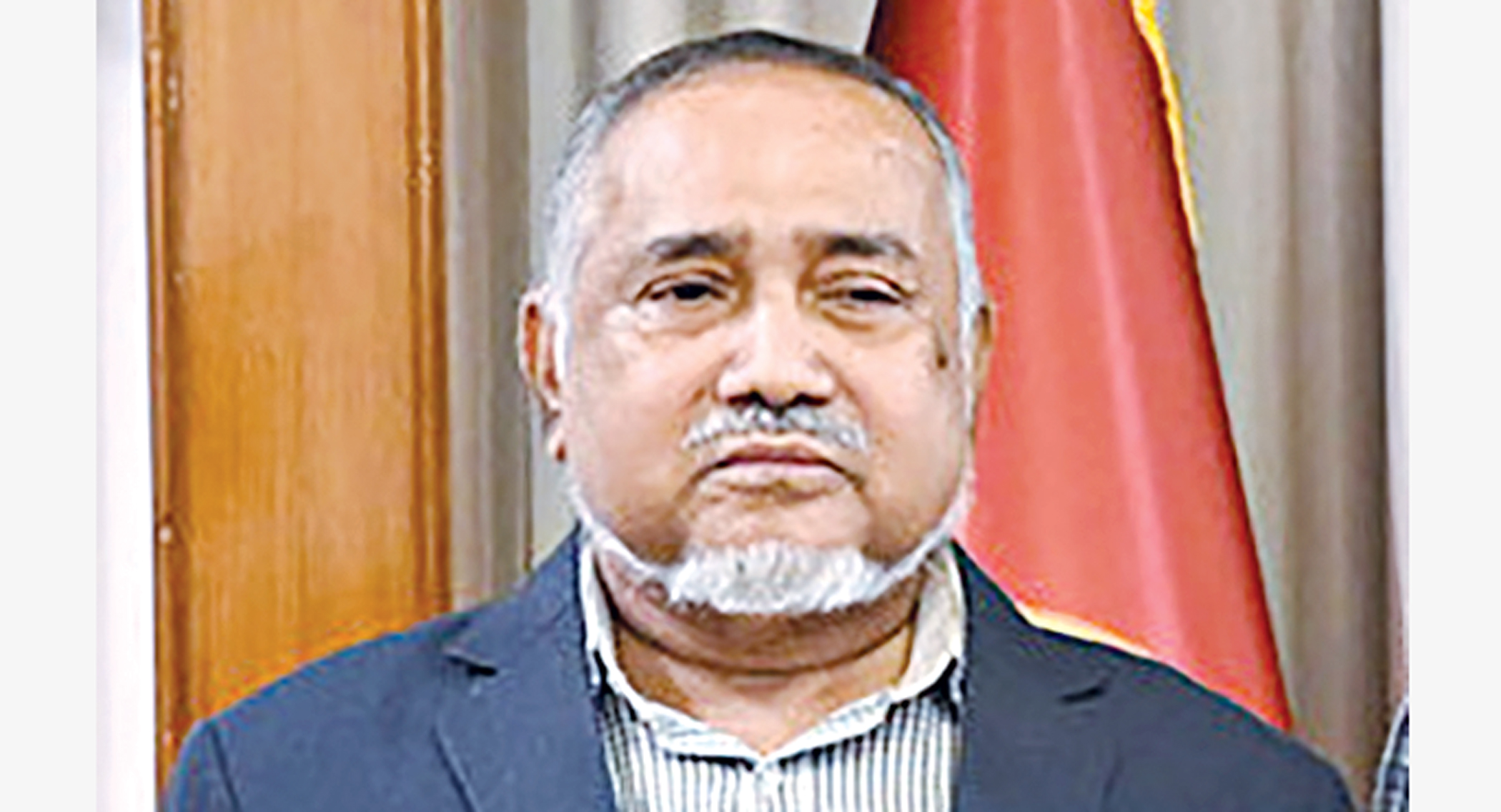
Earlier in the day, Salahuddin Ahmed, a member of the committee, criticised the process of forming the upper house, the Constitutional Reform Council, and the referendum question itself.
The Jamaat-e-Islami argued that holding the referendum and the national polls on the same day could spark fresh tensions instead of resolving the crisis.
The National Citizen Party said the charter had lost legitimacy since the implementation order was issued by the president, not the chief adviser.
POLITICAL DIVISION
On October 28, the National Consensus Commission submitted its recommendations for implementing the July charter with two alternatives -- both involving a referendum and an implementation order. It left the timing of the referendum to the government's discretion.
But divisions among political parties deepened over the timing of the referendum, implementation order, PR system, notes of dissent and other issues.
On November 3, the government asked the parties to reach a consensus within a week, or else it would "act as necessary."
After the deadline expired, the government set the chief adviser's address for yesterday.
He then announced the decisions following an advisory council meeting earlier in the day.
REFERENDUM
Yunus said the government had adopted important provisions to implement the July charter, including holding a referendum on its constitutional reform proposals and forming a Constitution Reform Council thereafter.
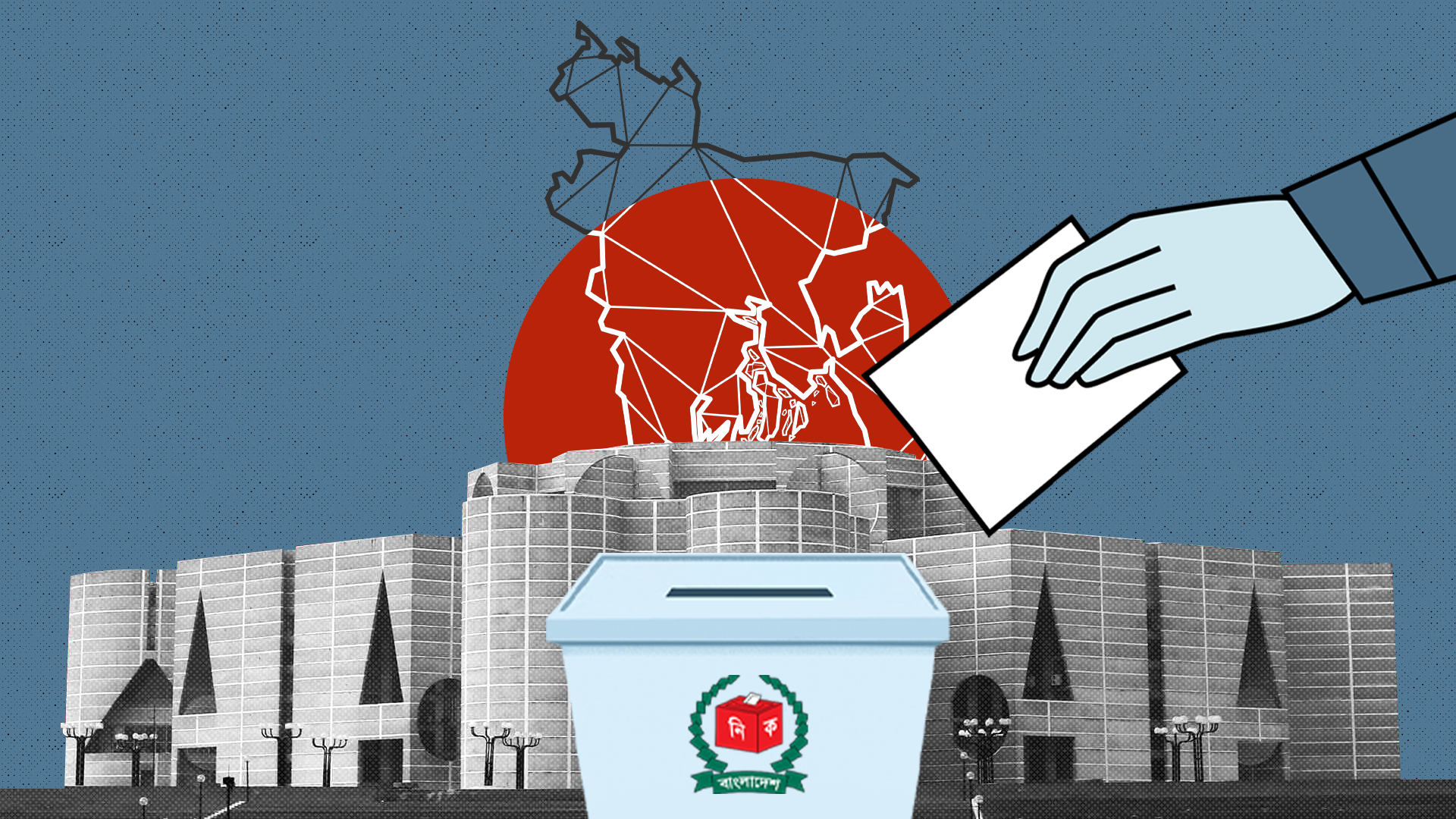
"After considering all matters, we have decided that the referendum will be held on the same day as the upcoming national parliamentary election, in the first half of February," he said, adding that this would make the process more festive and cost-effective.
In the referendum question, citizens will be asked if they approve the July charter's implementation order and proposed constitutional reforms listed in four sections below the question.
The four sections contain issues like the formation of the caretaker government, Election Commission, and other constitutional institutions, bicameral parliamentary system, parties' obligation to implement the agreed-upon reform proposals, and the implementation of the other reforms as per the political parties' commitments.
Voters will answer "Yes" or "No" to the single referendum question.
Out of the 48 constitutional reform proposals included in the July charter, 30 have secured consensus among most parties, including the BNP, Jamaat, and NCP.
The remaining 18 proposals, mostly involving fundamental reforms, faced dissent from at least one major party.
The BNP formally registered its dissent on appointment of the chief adviser to the caretaker government; the formation of an upper house through proportional representation system; the authority of the upper house to amend the constitution; the eligibility of a party chief to serve simultaneously as prime minister; and the process to appoint the ombudsman, the public service commission, and the comptroller and auditor general.
The BNP supported holding the referendum on election day, while the Jamaat and its allies have launched protest programmes demanding that the referendum be held earlier. Their demands also included formation of the upper house through the PR system.
They have threatened an indefinite sit-in from November 16 if their demands are not met.
NCP Chief Coordinator Nasiruddin Patwary has expressed solidarity with Jamaat.
UPPER HOUSE
If the referendum yields a "yes" majority, the Constitution Reform Council will be formed with MPs to be elected in the upcoming election. They will take oath separately as council representatives on the same day as the swearing-in ceremony for parliament.
The upper house will be formed within 30 working days after the council completes the July charter's implementation process.
Its formation will be based on proportion to the votes received by each party in the national election and its term will end with that of the lower house.
The BNP has opposed forming the upper house based on vote share, preferring seat share in the lower house instead. Jamaat supports PR on shares of votes.
IMPLEMENTATION ORDER
In one of the alternative ways presented for implementing the charter in its final days, the consensus commission had recommended putting the reform proposals in a bill and including the bill in the charter's implementation order.
It suggested the bill would automatically include the charter in the constitution if the reform council failed to complete the implementation process within 270 days.
The BNP had vehemently objected to the proposed clause, calling it "irrational, politically motivated, and absurd". It argued that no bill can become law without the president's assent after passage by parliament.
The party also questioned the legality of the reform council's formation, noting that only the Election Commission is not constitutionally mandated to conduct elections for the formation of such bodies.
The president issued the order despite growing pressure from the Jamaat and NCP, who demanded legal recognition for the charter.
The NCP had specifically wanted the chief adviser, not the president, to issue the order. The party argued that it would have been a "people's order" if it had been issued by the chief adviser.
According to the Chief Adviser's Press Wing, the advisory council approved the order earlier yesterday before Yunus signed and sent it to the president.
The order stipulates that the council will determine its own procedures, require a quorum of 60 members, and adopt reforms by majority vote.
The Speaker will chair the council and cast the deciding vote in case of a tie.
DIFFERENCES 'MINOR'
Yunus described the consensus on key reform proposals with "minor differences" on the others as a "historic achievement".
"The distance appears to be huge at first glance, which is not unusual in a democratic process. But in reality, the discord is not very deep," he said.
"There is no disagreement about the necessity, principles, and goals of reform," he added.
'FAIR, PARTICIPATORY' POLLS
Yunus said political parties in favour of the uprising must remain united about holding a fair election because people have been deprived of their right to vote for almost one and a half decades.
They are eagerly waiting to exercise their right to vote in the upcoming election.
"Otherwise, the nation will face great danger. I have expressed my apprehension about this several times before," he said.
He said the interim government has reached an "important juncture" in its term after being formed in August last year on the strength of the July uprising.
He reiterated that his government has three key responsibilities. These are to bring the perpetrators of July atrocities to justice, to arrange necessary reforms for transitioning to an accountable and effective democratic system, and to transfer power to an elected government through fair polls.
"We are taking all necessary preparations to ensure that the election is festive, participatory, and fair. We are working tirelessly to fulfill our entrusted duty properly," Yunus said.
Talking about the trial of key figures of the Awami League regime he said, the International Crimes Tribunal is going to deliver its first verdict soon.
"At the same time, in a first for the country, we've started the trial of heinous crimes like enforced disappearances," he said.
Comments