


'This tragedy is on a different dimension': Inside the human devastation of Nepal’s flood
Two days after the catastrophic flood tore through Nepal, the numbers tell only part of the story.
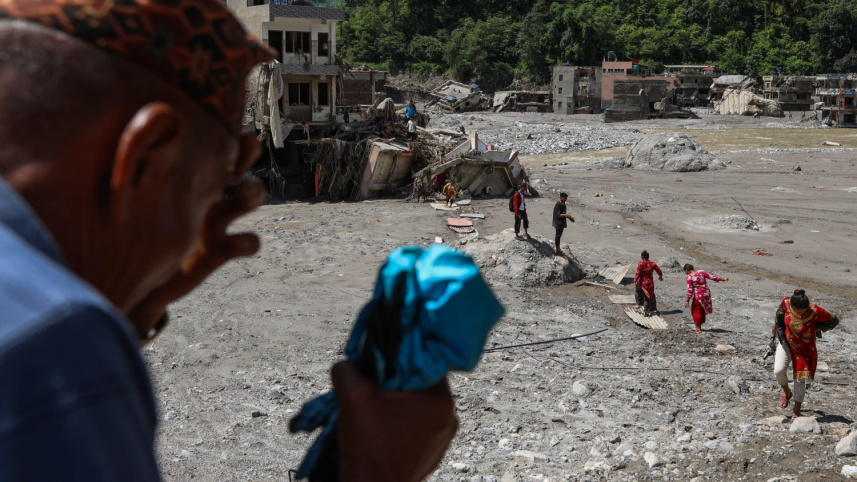
Behind the hundreds of bodies recovered and more than a thousand people reported missing are families searching riverbanks for loved ones, children separated from their parents and survivors returning to find their homes simply gone.

The torrent of mud, rock, ice and debris swept down the Trisuli River on August 26, devastating settlements in its path and cutting off roads to the Nepal-China border.
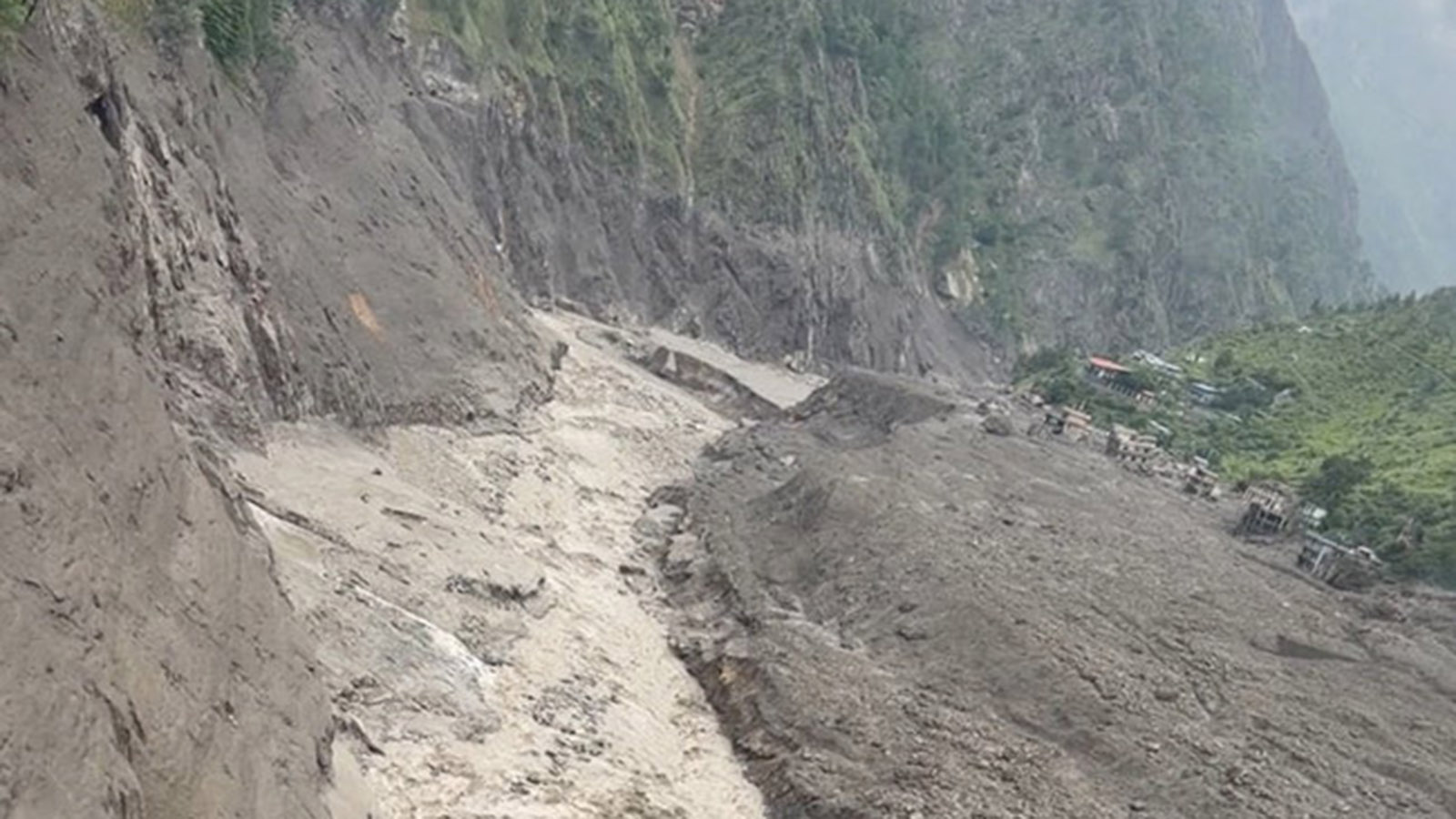
Entire neighbourhoods in Syaprubesi, Betrawati and Trisuli were wiped out, while bridges, hydropower plants, transmission lines and other infrastructure were destroyed or badly damaged.
In an account published on August 28, “Reporter’s Diary 27 August”, photographer Suman Nepali, who works for Nepali Times, described the human devastation he encountered in Betrawati and Nuwakot.
Five-year-old Kirti Tamang survived after being swept away as her mother and sister were carried off by the flood. She was later found in a forest with two other children, bruised and in shock. Kirti had not been able to speak.
Another child, Biswas Tamang, was found by his schoolteachers, badly bruised and still wearing his school identification card. The information on it helped the teachers contact his mother, who lives in a neighbouring district and had sent him to an English-medium public school in Betrawati.
The scenes were so overwhelming that Suman initially could not bring himself to take photographs.
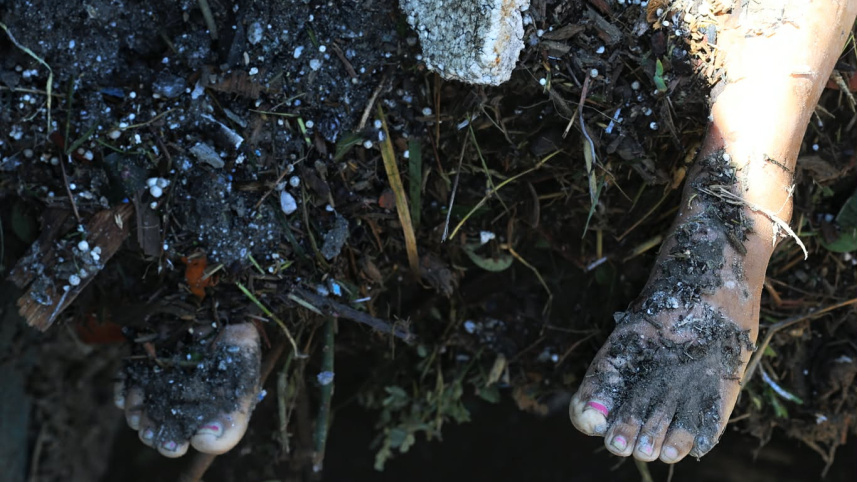
He described seeing the body of a woman, apparently about 35, lying outside what had been someone’s home, covered in sediment. Her painted toenails remained visible. People gathered around, trying to determine whether they knew her.
Her husband eventually arrived.
“He collapsed silently on the dirt,” Suman wrote.
The journey itself offered a grim measure of the destruction. Suman and his colleagues left Kathmandu at 4am on motorbikes, but a journey that would normally take minutes took five hours as they negotiated sludge and forest trails.
“Trisuli Bazar was gone. Devighat was gone. The road further up to the Chinese border was gone,” he wrote.
Along the way, people walked beside the river, scanning muddy banks for relatives who had been swept away. Chinese workers were also searching for colleagues from a hydropower plant.
The speed of the flood left many with no chance to escape.
“We had no warning, no one called from up the river to tell us a flood was coming,” one survivor told Suman. “One second it was up there, and the next it was here. It moved so fast.”
He observed that many of the people left behind in the villages were women, children and elderly people, reflecting the large-scale migration of young men to Nepal’s cities and overseas. Some migrant workers were returning to find their homes and families gone.
The disaster also struck during a significant period for the region. It came at the beginning of Nepal’s trekking season and just before the full moon Janai Purnima festival, when thousands of pilgrims were travelling towards Gosainkunda in Rasuwa. Indian pilgrims travelling towards Manasarovar in China were also using the Rasuwa-Kerung crossing, while tourists were travelling overland towards Tibet.
Nepal Tourism Board said 644 tourists in the area were out of contact, although this did not necessarily mean they had been affected. The list included 178 Indians, 127 Nepalis, 65 Americans, 53 Ukrainians and 51 Malaysians, among others.
 For all latest news, follow The Daily Star's Google News channel.
 In his report “Central Nepal flood, the day after”, published on August 27, Nepali Times journalist Kunda Dixit reported that the disaster had already overwhelmed local authorities’ ability to assess the casualties. More than 300 bodies had been recovered by Thursday, with hundreds still missing and tens of thousands left homeless.
Bodies and animal carcasses were seen floating down the Narayani River as far as Nawalparasi, about 200km downstream.
The physical destruction is equally staggering. At least six major hydropower plants, transmission lines and substations on the Bhote Kosi and Trisuli were destroyed or heavily damaged. Nepal’s 25-megawatt grid-scale solar plant in Nuwakot was buried under sediment, while at least a dozen bridges were swept away, severing highways leading north.
Scientists are now piecing together how the disaster unfolded.
A report published by Nepali Times today, “More clues about the Nepal-China flood”, said satellite imagery showed a roughly 1.5km-wide break in a hanging glacier at about 5,000 metres on Langtang Lirung’s north face. Researchers believe the event may have involved failure of the underlying bedrock as well as the collapse of the glacier.
Rock and ice plunged more than 1,000 metres, generating enormous energy and melting ice as they descended. The resulting avalanche then drove debris towards the Lhende Khola and the Nepal-China border.
Scientists are still debating the precise causes, but climate change is considered an important factor. The Himalayas are warming faster than the global average, while melting permafrost and unstable ice and rock can weaken already fragile mountain slopes.
The event was not, however, a conventional glacial lake outburst flood. Scientists say geological failure played a significant role, while a lake has now formed along the Lhende Khola after debris blocked the watercourse, creating another potential downstream threat.
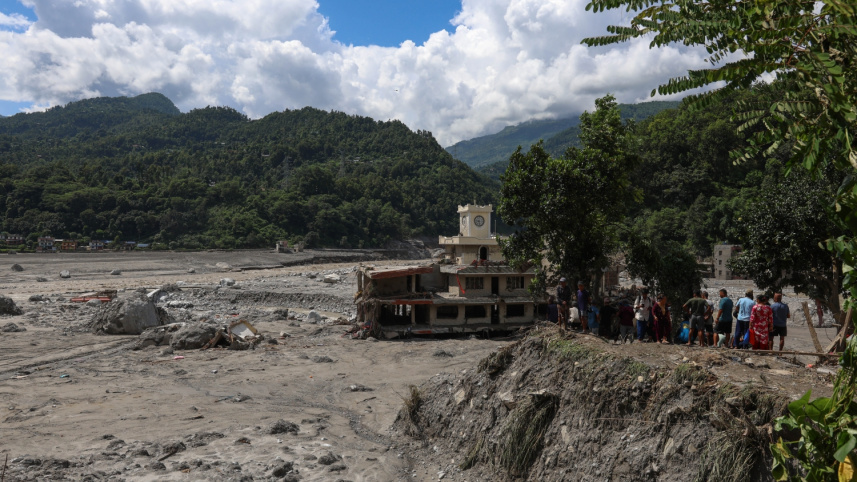
For Nepal’s survivors, such distinctions offer little consolation.
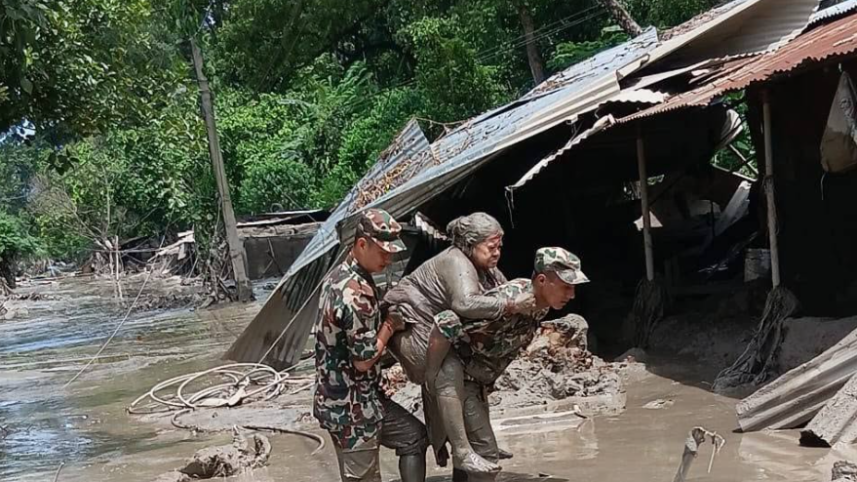
Relief operations are under way, with army trucks carrying supplies and helicopters flying over the devastated valley. Local volunteers are helping reunite survivors with relatives, including efforts to take Biswas Tamang back to his mother.
But the hardest task will begin after the rescue.
In his diary, Suman Nepali reflected on the scale of the loss after covering the 2015 earthquake.
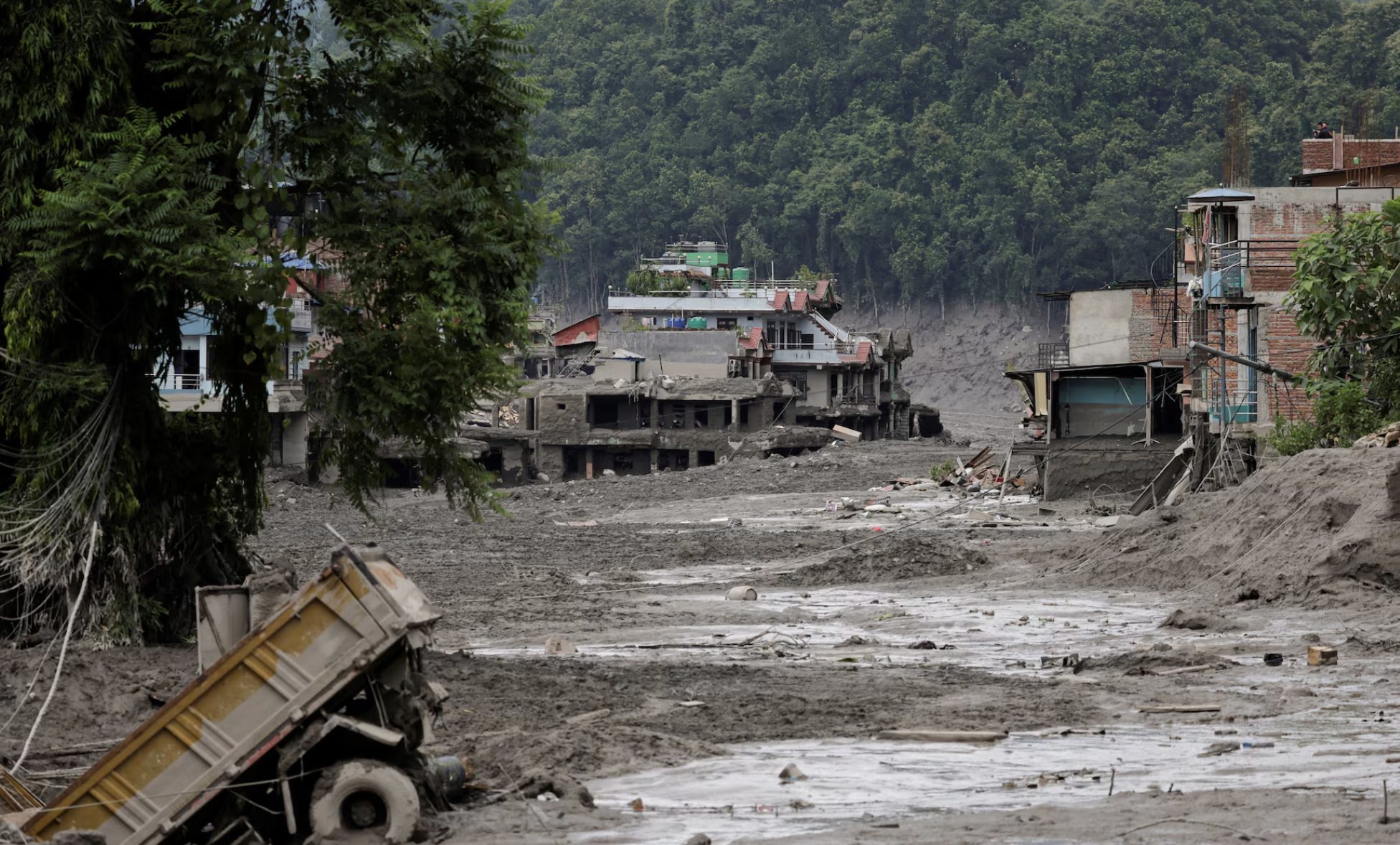
“This tragedy is on a different dimension,” he wrote.
For thousands of families, the work ahead will involve more than rebuilding houses or restoring roads. They will have to reconstruct lives around absences that cannot be repaired: a child, a parent, a spouse, a sibling.
Along the devastated valley, people continued searching the riverbanks while pilgrims still made their way towards Gosainkunda.
The helicopters kept flying. The volunteers kept working. And survivors kept looking for whatever, and whoever, the flood had left behind.