


Khaleda Zia played pioneering role in RMG growth: BGMEA leaders
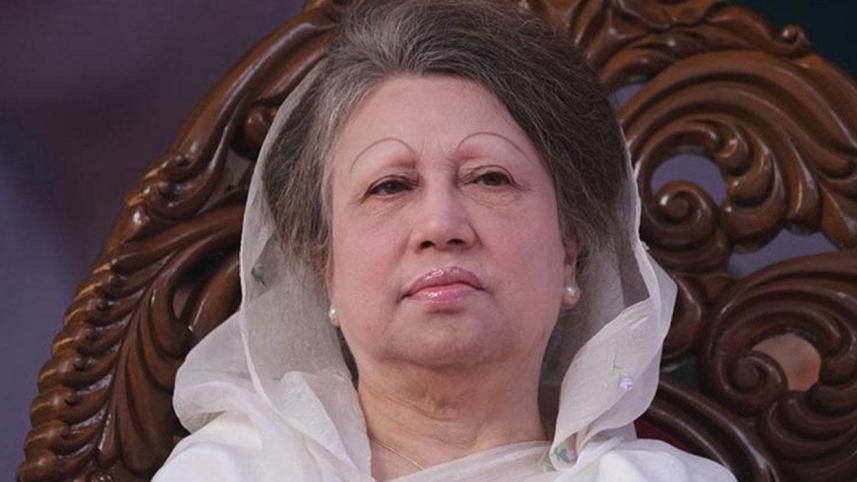
Khaleda Zia, a three-time prime minister of Bangladesh, played a pioneering role in the growth of the country’s ready-made garment (RMG) sector, according to leaders of the Bangladesh Garment Manufacturers and Exporters Association (BGMEA).
The leaders recalled her contributions at a doa mahfil held yesterday at the trade body’s office in Uttara, Dhaka, attended by several hundred garment entrepreneurs.
 For all latest news, follow The Daily Star's Google News channel.
 In 1991, recognising the potential of the garment industry, Khaleda Zia introduced an innovative policy that allowed BGMEA to issue the crucial Utilisation Declaration (UD) and Utilisation Permission (UP) certificates.
The UD permits the production of a certain quantity of imported fabrics under the bonded warehouse system, while the UP allows the import of raw materials for the export-oriented garment sector.
Before this change, these certificates were issued by the government’s Export Promotion Bureau (EPB), often causing delays that led international clothing brands to shift orders to other countries.
Khaleda Zia’s decision to delegate this authority to BGMEA streamlined the process, supporting private entrepreneurs and accelerating exports.
Thanks to her pragmatic decisions, Bangladesh’s apparel exports crossed the $1 billion mark for the first time during her tenure, BGMEA leaders recalled.
The sector, which had struggled since its inception in 1978 due to limited government support, gained momentum under her leadership.
Khaleda Zia also introduced a high percentage of cash incentives, further enhancing the country’s competitiveness in global markets.
Today, Bangladesh is the world’s second-largest apparel exporter after China, with nearly 8 percent of the global market share.
Over the past five decades, the RMG industry has employed over four million workers, empowered women, contributed 13 percent to the national GDP, and attracted combined investments of $75 billion -- $23 billion in primary textiles and $52 billion in garments.
At the event, Salim Rahman, acting president of BGMEA, said Khaleda Zia played a crucial role during the phase-out of the World Trade Organization’s Multifibre Arrangement in 2004, which ended the quota system on garment exports. She formed the National Coordination Committee and took critical steps to help the industry adjust to the new global trading environment.
“She facilitated ease of doing business, reduced costs, and provided stipends for female education. These decisions brought significant societal changes,” he added.
The event also featured a video documentary highlighting Khaleda Zia’s contributions to reviving the economy, promoting democracy, empowering women, and developing the garment sector.
BGMEA Senior Vice-President Inamul Haq Khan and former president Quazi Moniruzzaman also spoke at the programme.
During Khaleda Zia’s tenure, Bangladesh was ranked the 11th fastest-growing country globally in 2005, and an estimated 1.8 crore people were lifted above the poverty line, BGMEA leaders said, adding that her VAT reforms were widely recognised.


Comments