


US fears increased likelihood of India-Pakistan, India-China conflicts
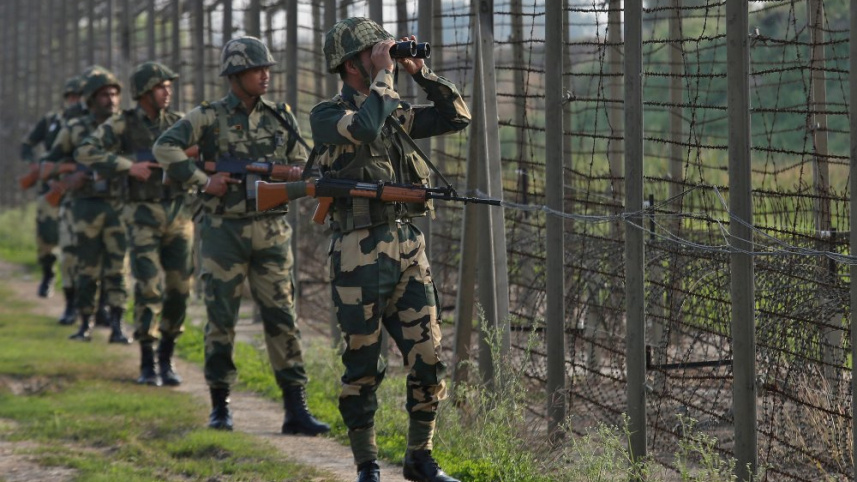
The US intelligence establishment told lawmakers on Wednesday that it feared that tensions between India and Pakistan and India and China may escalate into conflicts.
It noted that under the leadership of Prime Minister Narendra Modi, India is more likely to respond with military force to Pakistani provocations.

The American intelligence assessment forms part of the annual threat assessment that was submitted to the US Congress by the Office of Director of National Intelligence during a Congressional hearing, reports our New Delhi correspondent.
According to the report, the heightened military postures by both India and China along the disputed border heightens the risk of armed confrontation between two nuclear powers that might involve direct threats to US persons and interests and calls for US intervention.
It said the crises between India and Pakistan are of particular concern because of the risk of an escalatory cycle between two nuclear-armed states. New Delhi and Islamabad probably are inclined to reinforce the current calm in their relationship following both sides' renewal of a ceasefire along the Line of Control in early 2021.
"However, Pakistan has a long history of supporting anti-India militant groups and under the leadership of Prime Minister Narendra Modi, India is more likely than in the past to respond with military force to perceived or real Pakistani provocations. Each side's perception of heightened tensions raises the risk of conflict…," said the report.
Responding to a question, State Department Spokesperson Ned Price said US-Pakistan counter-terrorism dialogue provides an "opportunity for the United States to convey our willingness to work with Pakistan" to address terrorist threats and counter violent extremism, the threats that are in the region, the threats that have the potential to transcend the region as well.
"We have a shared interest in combating threats to regional security. The goal of a stable and secure South and Central Asia free from terrorism depends on the strength of in large part our partnership with Pakistan," he said.
 For all latest news, follow The Daily Star's Google News channel.
Comments