


The truth about tobacco

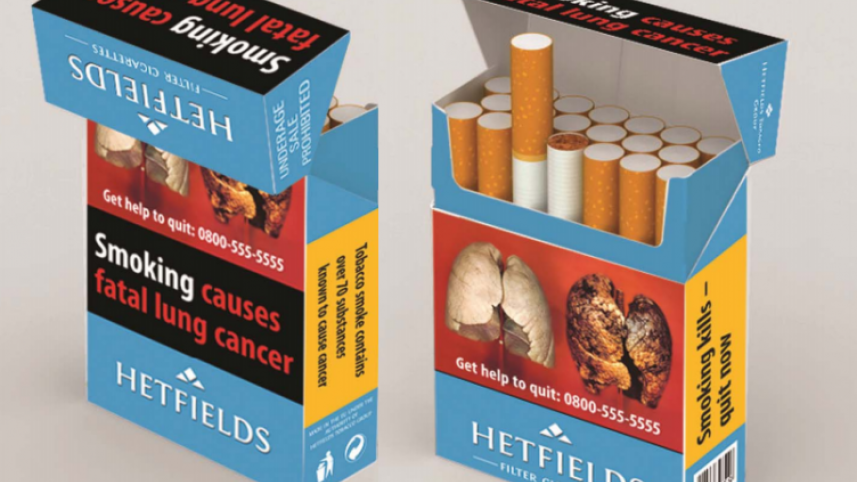
At an advocacy meeting of civil society, doctors and public health officials recently held in Dhaka, the Minister for Health, Hon. Mohammed Nasim MP, confirmed the government's intention to fully implement tobacco control laws. Graphic health warnings are supposed to appear on all tobacco packs sold across the country from March 19, 2016, as per a provision of Bangladesh's law, which was passed by the parliament in 2013, but has been delayed by tobacco industry interference. Even now, the tobacco industry – rich on the profits of selling a product that kills as many as two-thirds of the people who use it as intended – is still attempting to subvert the intent and impact of the law. Intense lobbying is likely to have been behind this week's public circular suggesting that the warnings can be printed on the lower half of the pack if necessary. The original legislation clearly specified that packs should carry one of nine graphic warnings, covering 50 percent of the top of the pack – where the images would be most visible.
These nine powerful images depict oral and throat cancers, lung cancers, stroke and asthma and other diseases directly caused by tobacco use or exposure to second hand smoke. Some may find them horrific; but a growing number of our fellow Bangladeshis are finding that the health costs of tobacco use are more alarming. It's a truth we cannot afford to ignore. Some say that children should not be exposed to these graphic images, but children are being exposed to tobacco industry marketing on a daily basis. The majority of lifetime tobacco users become addicted before the age of 21, so the tobacco industry targets youth by portraying smoking as a desirable, aspirational and fashionable past-time, with celebrities contracted by the industry to promote attractively branded tobacco products through movies, television soap operas and point of sale advertising. Which imagery does more harm? Certainly not a graphic warning that could help children avoid future tobacco-related diseases and premature death.

In fact, I hope graphic warnings on tobacco packs will result in greater willingness to talk openly in our society and our media about the harms of tobacco. Last year, a national TV channel refused to run an anti-tobacco public service announcement (PSA) that graphically shows what happens when a smoking-related blood clot affects the brain. This PSA had been approved by the Government's own IEC Committee and launched by the Minister for Health. Similar versions of this PSA have run on national TV channels in many other countries. More recently, I saw a media report on the new warnings where the image was blurred so it couldn't be seen. Similar graphic warning images are already used in other countries. Are their citizens really better able than Bangladeshis to face the truth about tobacco? I think we underestimate our fellow citizens and their desire for a healthier life.
Health authorities in Bangladesh have worked hard to push back against the aggressive marketing strategies of the tobacco companies. Putting graphic warnings on the front of the industry's most pervasive marketing channel – tobacco packs – is the best way we can guarantee that tobacco users receive regular reminders of the harm they are causing themselves. Evidence from countries where large graphic warnings have been implemented – 78 so far – tells us that this will help us reduce tobacco use. If we are serious about saving the lives of our fellow citizens, we cannot be shy away from showing people the truth about tobacco.
The writer is the Bangladesh Country Advisor for Vital Strategies (formerly World Lung Foundation).
 For all latest news, follow The Daily Star's Google News channel.
Comments