


Act now to stop irregular migration to Italy
It is deeply distressing that so many young people in our country continue to embark on perilous journeys to Italy, driven by the hope of a better future. While for many, the dream of prosperity abroad ends in exploitation, torture, and financial ruin, others remain missing for years. According to a recent report by this daily, at least 23 young men from Shariatpur and Madaripur have been missing for more than two years after attempting to reach Europe through irregular migration routes via Libya. The continued flow of migrants along these dangerous routes raises serious questions about the government’s efforts to dismantle trafficking networks and protect vulnerable people from falling prey to them.
For years, reports of torture, extortion, detention, and deaths along the Libya-Italy route have surfaced with alarming regularity. In many migrant-sending communities, migration to Europe has become synonymous with economic success. Visible signs of prosperity achieved by some overseas workers often overshadow the risks, tragedies, and countless failed journeys experienced by others. Human traffickers and brokers exploit these aspirations, luring young people with false promises of safe passage and lucrative opportunities. Once migrants enter the trafficking pipeline, they often find themselves trapped in a system of abuse that stretches across multiple countries. Reports of ransom demands, torture, forced confinement, overcrowded detention centres, and deadly sea crossings have become disturbingly familiar.

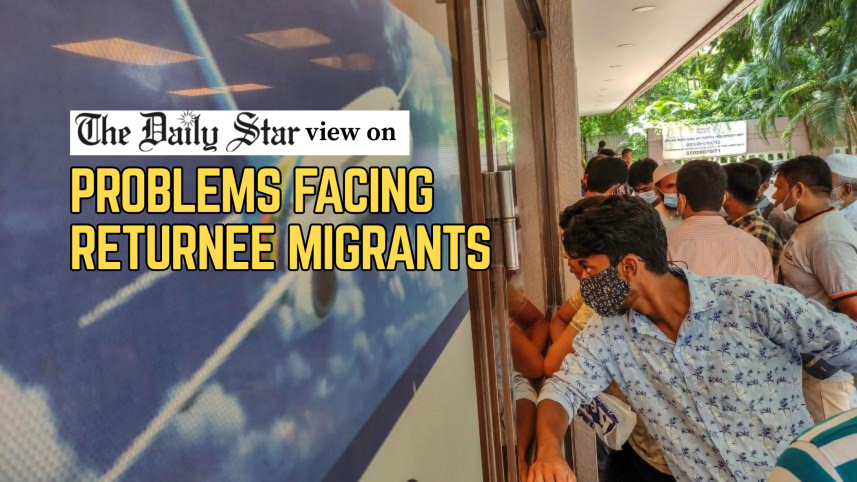
Moreover, the returnees who are trying to rebuild their lives face a different set of challenges. Families often borrow large amounts of money, sometimes at very high interest rates, to fund these journeys. When migrants return empty-handed, the debt remains and increases. Alongside the financial burden, they also have to cope with the trauma of detention, violence and abuse. But their access to mental health support also remains limited.
We therefore urge the government to provide the necessary support for returnee migrants, including access to counselling, rehabilitation services, and livelihood opportunities to help them recover from their ordeal. Affordable credit, debt-restructuring assistance, and skills-development programmes are also essential. At the same time, the government must strengthen its efforts to identify and prosecute the brokers and trafficking syndicates. Public awareness campaigns in migrant-prone areas should also be intensified to counter misinformation and highlight the harsh realities of irregular migration. Most importantly, the government must address the conditions that continue to push young people into the hands of traffickers, while expanding safe and affordable pathways for legal migration.
 For all latest news, follow The Daily Star's Google News channel.
Comments