


End sexual harassment in newsrooms
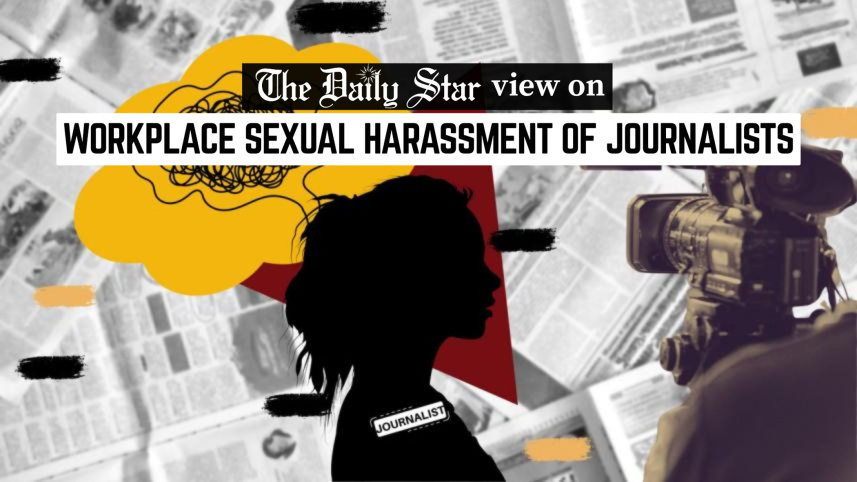
We are deeply concerned by the findings of a recent survey on workplace sexual harassment of journalists in the country. According to the study, 15 percent of surveyed journalists reported experiencing sexual harassment at work, with women facing significantly higher rates of verbal, online and physical abuse compared to their male counterparts. At a time when journalists play a crucial role in shaping public discourse and holding power to account, the lack of safe and dignified working conditions within newsrooms is indeed alarming.
According to the survey, 60 percent of women who experienced harassment reported verbal abuse, compared to nine percent of men. Nearly half of the women surveyed reported experiencing online harassment, as opposed to 15 percent of men, while physical harassment was reported by 24 percent of women and seven percent of men. Seven women and two men said they had been raped. The study also revealed weak institutional responses when incidents of harassment were reported. In many cases, complaints about verbal abuse went unaddressed—43 percent of cases reported by women and 60 percent reported by men received no formal action. And when action was taken, it was often limited to issuing warnings. This raises serious questions about media organisations’ commitment to holding perpetrators accountable and the absence of robust mechanisms to address such complaints.

The newly approved Workplace and Educational Institutions Sexual Harassment Prevention Ordinance, 2026 provides a strong legal framework to address these issues. It mandates the formation of an internal complaint committee at every workplace and educational institution, tasked with investigating complaints, ensuring the safety of complainants, and recommending disciplinary measures ranging from reprimands to termination. This law is expected to strengthen accountability, enforce protection, and foster safer, more inclusive working environments across the country. Media organisations must form these committees right away.
To complement these legal measures, the Sexual Harassment Response Protocol for Media Professionals provides awareness-building measures, clear provisions for punishment, and steps to create an effective support network for victims. In addition, the Women Journalists Network Bangladesh has reportedly signed memoranda of understanding with Bangladesh Mahila Parishad and the Institute of Psychology and Health to help prevent harassment and offer survivors legal and psychological support. These initiatives, if implemented effectively, can make a meaningful difference for harassment survivors.
Media organisations must have a workplace culture where harassment is neither tolerated nor normalised, and where survivors feel safe to speak out without fear of retaliation or professional repercussions. They must lead by example and establish clear, accessible and confidential complaint mechanisms, ensure timely and impartial investigations, and enforce meaningful penalties for any misconduct. There should be no place for sexual harassment in newsrooms.
 For all latest news, follow The Daily Star's Google News channel.
Comments