


Falling SSC pass rate tells only half the story
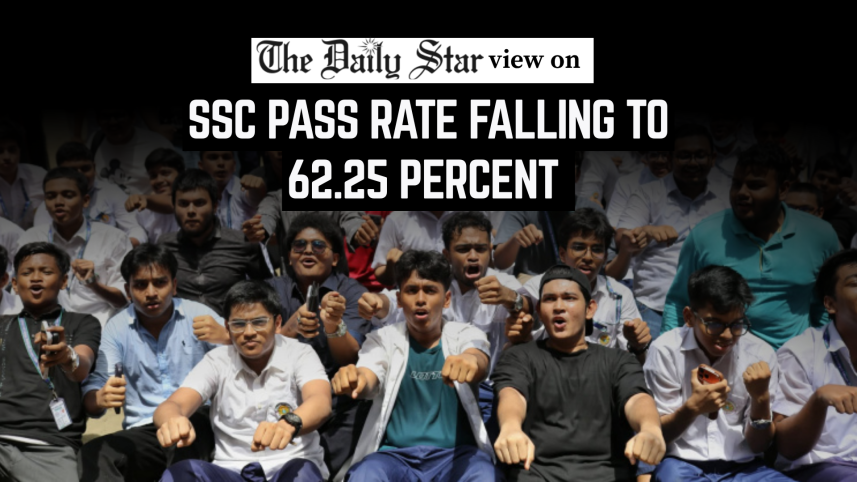
The results of this year's Secondary School Certificate (SSC) and equivalent exams come as sobering reading. The combined pass rate fell to 62.25 percent, down 6.2 percentage points from last year, and the number of students securing GPA 5 has now dropped for the fourth year in a row. These figures will understandably worry parents, teachers and policymakers alike. Education Minister ANM Ehsanul Hoque Milon, however, defended the results, saying marks were given based on students’ actual performance, an argument that will resonate with those who have long felt that Bangladesh's public exams are graded too generously. However, understanding this year's results properly means looking beyond the numbers.

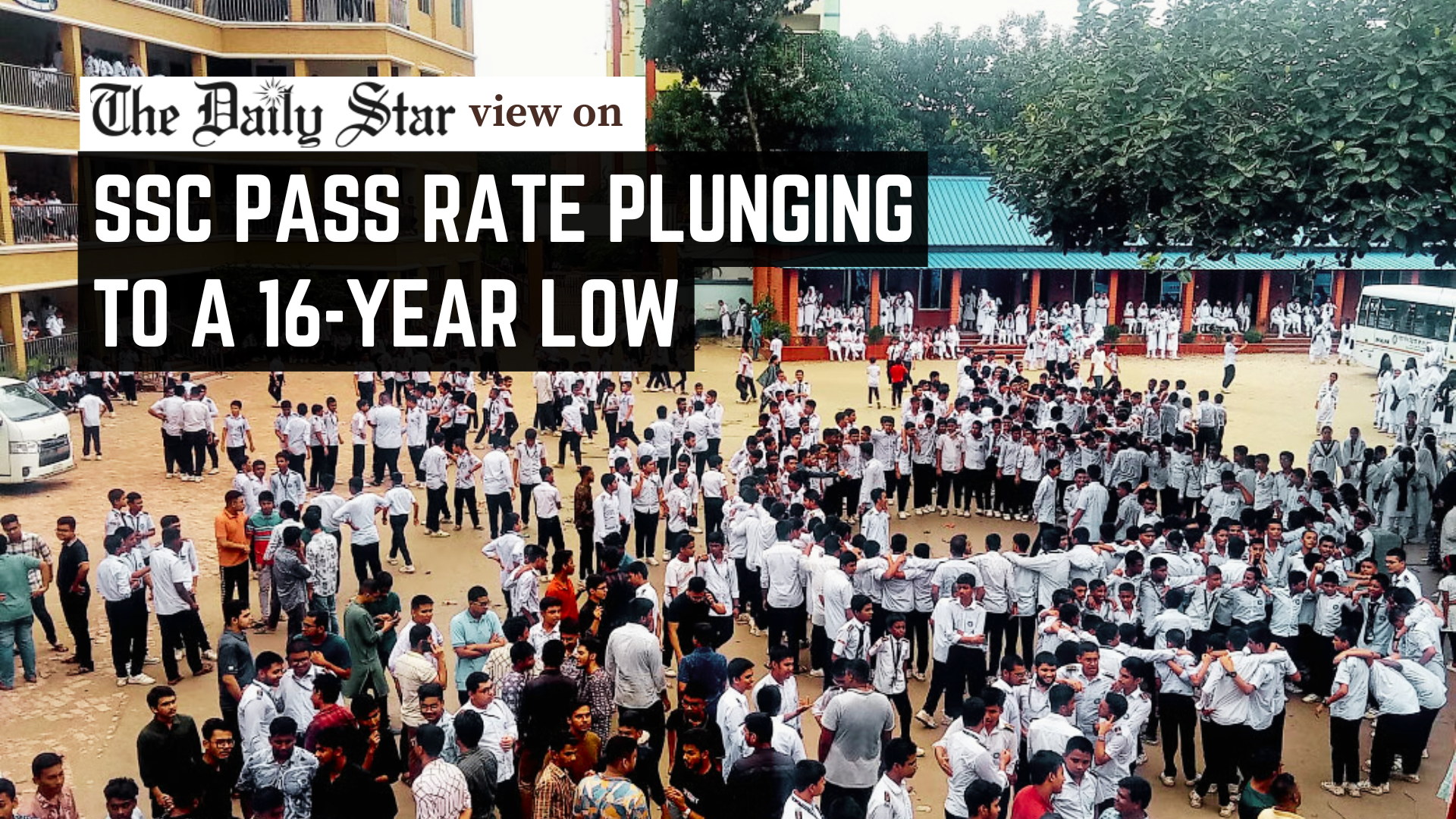
For much of 2024 and well into 2025, these students' school lives were disrupted by an uprising that toppled the Awami League government, the political crisis that followed, and later floods that disrupted classes further. In parts of the country, schools were closed for weeks at a time, timetables collapsed, and ordinary learning simply gave way to a period of coping and compromise. Whatever standard these students are being measured against, it wasn't the standard of normal academic years.
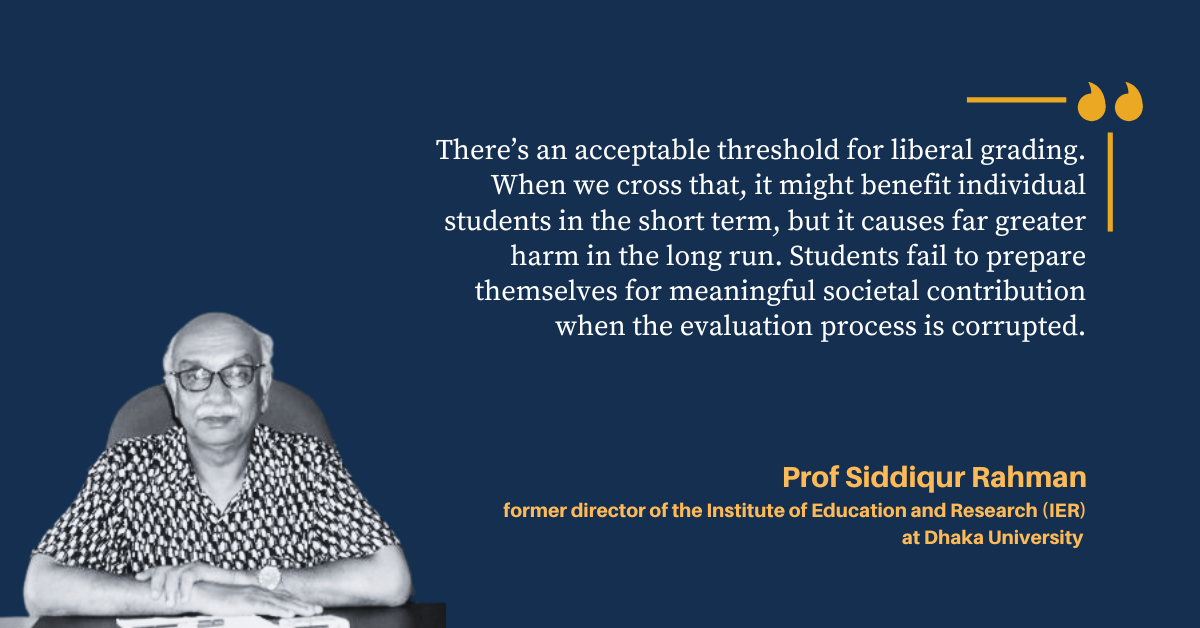
If the education ministry is right that marks were awarded strictly on merit this year, without the leniency that had built up over previous years, then a falling pass rate isn't necessarily bad news. It may simply mean a needed correction has arrived. The country's exam boards have faced years of criticism for the number of GPA 5 achievers that kept climbing regardless of what was actually happening in classrooms. A more honest, more rigorous grading system is worth welcoming, even when it produces uncomfortable results.
A falling pass rate coming right after a period of upheaval shows how fragile the education system still is: too easily disrupted, too slow to adjust when disruption hits, and too uneven in the quality of schooling it offers across the country.
The government should pay closer attention to schools that are falling behind. The 312 institutions where not a single student passed cannot simply be brushed aside. Each of them points to something broken, whether it's a shortage of trained teachers, poor infrastructure, weak oversight, or students dealing with hardships that go well beyond the classroom. The education minister's promise that "measures" will be taken needs to be followed by real action: a proper school-by-school assessment, more teacher training, closer monitoring from the education boards, and resources directed at areas where the decline has hit the hardest.
More than anything, this year's results should serve as a wake-up call. A falling pass rate coming right after a period of upheaval shows how fragile the education system still is: too easily disrupted, too slow to adjust when disruption hits, and too uneven in the quality of schooling it offers across the country. The bigger task is understanding why so many schools and students are being left behind, and building a system sturdy enough that the next crisis doesn't cost a generation of students another lost year.
The government should also use this moment to assess how disruption affected different boards, districts, and school types differently, and what specific support is planned for the students and institutions that fell furthest behind. That kind of openness would show that the authorities see this year's results not as a number to be defended, but a problem to be solved.
 For all latest news, follow The Daily Star's Google News channel.
Comments