


We need a road safety law built on 'forgiving roads'

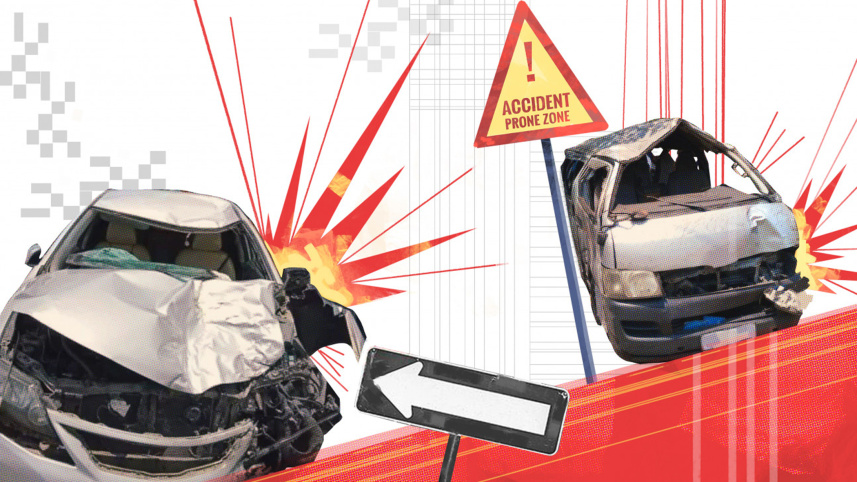
Every day, people in Bangladesh leave home expecting to return safely, but for too many, that expectation never comes to pass. Road crashes continue to claim thousands of lives each year, and these tragedies are described as “accidents.” However, they are often anything but, as they are both predictable and preventable.
According to data from Road Safety Foundation, at least 416 people were killed and 629 others injured in 458 crashes across Bangladesh in July this year. Another recent RSF analysis found that, between 2020 and July 2026, Dhaka saw at least 1,384 people killed and 2,488 injured in 1,849 road crashes. According to the Bangladesh Road Transport Authority (BRTA), road fatalities stood at a record 5,490 in 2025. The World Health Organization (WHO), using its public health estimation methodology, indicates that the true burden of road traffic fatalities is substantially higher than official figures suggest, highlighting the need for stronger crash data systems as well as stronger road safety policies.

Bangladesh has made notable commitments to improving road safety, yet the number of deaths and serious injuries remains unacceptably high. Public attention often turns to reckless driving after a major crash, followed by calls for stricter enforcement. Enforcement is essential, but it is not enough. Indeed, if we are serious about saving lives, Bangladesh needs a new generation of road safety legislation built on the “Safe system” approach which recognises that while people make mistakes, the road system should not allow those mistakes to become death sentences. The cornerstone of this approach is the concept of “forgiving roads”. A forgiving road is designed to minimise the consequences of human error. And, instead of relying solely on perfect human behaviour, it uses engineering and design to prevent those mistakes from resulting in fatal or life-changing injuries.

What would forgiving roads look like in Bangladesh? They would include median barriers on high-speed highways to prevent head-on collisions, safe pedestrian crossings near schools and markets, traffic-calming measures in urban neighbourhoods, protected facilities for cyclists, safer bus stops, improved lighting, clear road markings, and roadside environments that reduce the severity of crashes. Speed limits would be matched to the road’s function and the vulnerability of its users. Every road project would undergo an independent road safety audit before opening to traffic.
The WHO’s latest road safety profile for Bangladesh notes that while the country has road safety standards and conducts safety audits for some new road projects, it still lacks a comprehensive national framework requiring roads to consistently meet technical safety standards for all users. A new road safety law should close this gap by making safe road design and systematic road safety assessments a legal obligation rather than an administrative choice. A modern road safety law should also redefine accountability. Road safety is not solely the responsibility of drivers. Government agencies, road designers, engineers, transport operators, vehicle manufacturers, employers, and local authorities all influence safety outcomes. When a road repeatedly experiences fatal crashes, the question should not only be who made a mistake, but why the road environment allowed that mistake to become fatal. The next generation of legislation should therefore require safety-by-design in all road infrastructure projects, mandate independent crash investigations that identify systemic failures, strengthen protection for pedestrians and other vulnerable road users, establish measurable national targets for reducing deaths and serious injuries, and ensure transparent reporting of progress.
The economic case for reform is equally compelling. Every year, road crashes cost Bangladesh billions through lost productivity, medical expenses, emergency response, and long-term disability. So, investing in safer roads is not just an expense, but an investment in public health, economic growth, and human development.
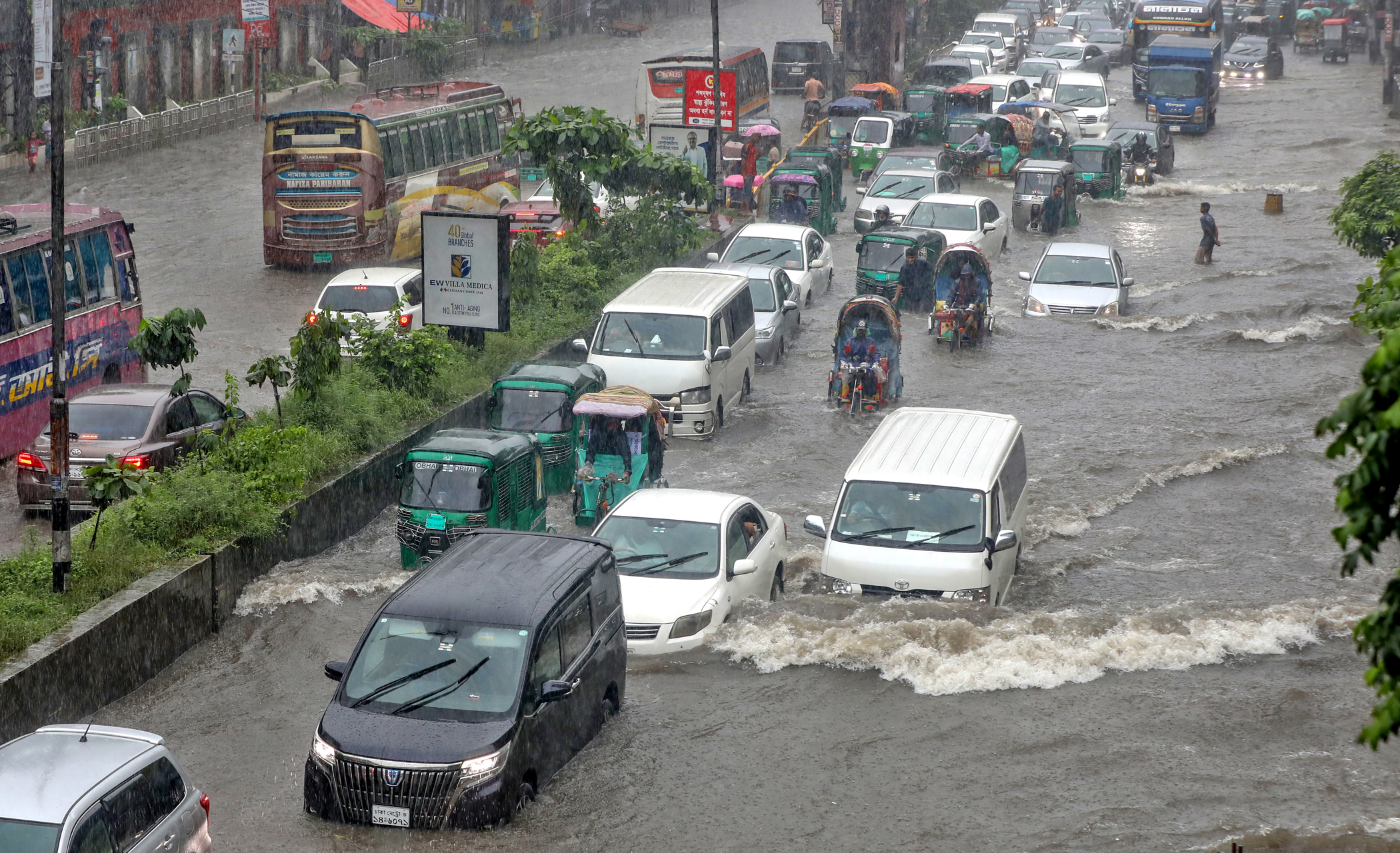
Ultimately, every road fatality represents more than a statistic. It is a child who loses a parent, a family that loses its breadwinner, or a young person whose future is permanently altered. And Bangladesh has reached a defining moment. We can continue reacting to tragedies after they occur, or we can redesign our laws and our roads to prevent them. The time has come for the parliament to enact a comprehensive road safety law that makes forgiving roads a legal and engineering standard. After all, the true measure of a transport system is not how quickly it moves vehicles, but how effectively it protects human life.
Tamanna Mizan is senior communication officer of Road Safety Program at Brac.
Views expressed in this article are the author's own.
Follow The Daily Star Opinion on Facebook for the latest opinions, commentaries, and analyses by experts and professionals. To contribute your article or letter to The Daily Star Opinion, see our guidelines for submission.
 For all latest news, follow The Daily Star's Google News channel.
Comments