


First light of justice, at last
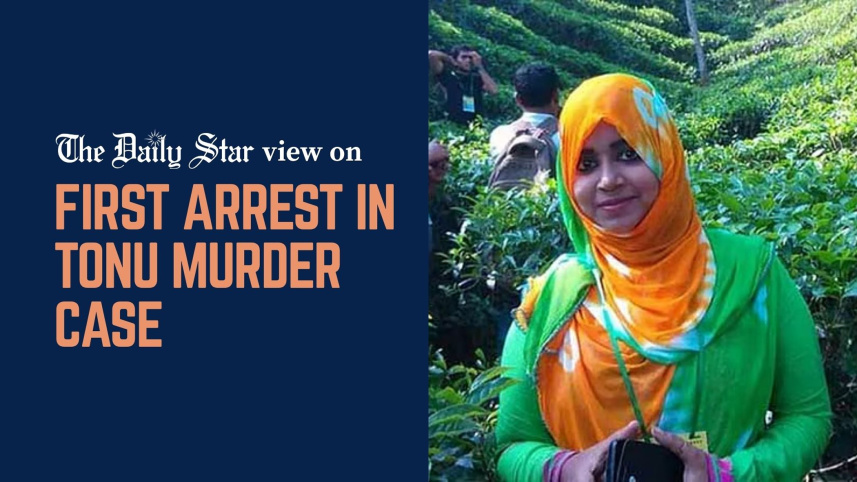
After a decade’s wait and countless calls for justice, we are heartened to see the case for Sohagi Jahan Tonu’s murder finally picking up pace. On Tuesday, a retired senior warrant officer of Bangladesh Army, Hafizur Rahman, was arrested from his home. The following day, he was placed on a three-day remand by Cumilla Sadar Cognisance Court-1 after being produced there by the Police Bureau of Investigation (PBI). Earlier on April 6, the same court ordered the cross-matching of the DNA profiles of three retired army personnel (including Hafizur) against evidence collected in 2016. What makes this case unique is not just the brutality of the crime—Tonu’s body was found dumped in bushes; she had been raped, and her hair had been chopped off with scissors—but also the unexplainably long road to justice that the victim’s family is still having to tread.

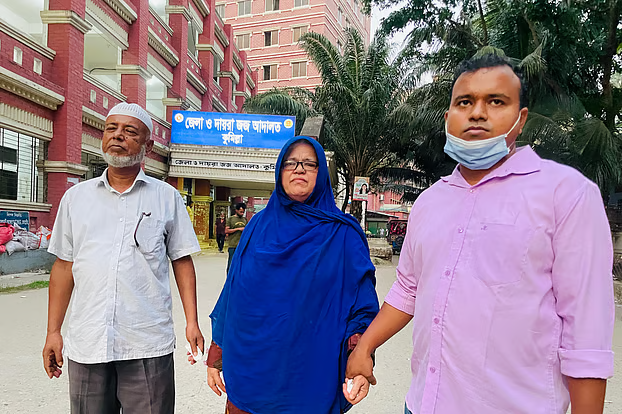
To date, the case has had 80 hearing dates, with six investigation officers from four agencies handling the probe over the years. When contacted recently by Prothom Alo, Inspector Mojibur Rahman, who was the investigation officer of the case for four years under CID Cumilla, said they had already been aware of the three suspects now known by name, but matching DNA samples had not been possible at the time “for various reasons.” The fact that the DNA evidence was there and that the suspects were known for years, and yet the investigation did not move forward at all, is unacceptable. And when an officer provides such dubious reasons behind justice being delayed for a decade, the logical conclusion to draw is that there were factors and quarters actively preventing the case from making progress.
Since 2016, this case has been surrounded by mystery, which we now know was manufactured. What has prevented the case from going to trial was the need to preserve the impunity that certain defence forces were used to enjoying. Now that progress is finally being made, does it mean that the influence of these quarters no longer exists? Can we rest assured that these influences will not show up again to further stall the case?
We urge that the DNA samples be tested without delay and that utmost procedural transparency be maintained going forward. The trial process must also be initiated promptly and be free of influence. Tonu’s family deserves to receive justice for the heinous crimes committed against their daughter. All relevant authorities must do their best to achieve this outcome.
 For all latest news, follow The Daily Star's Google News channel.
Comments