


Measles response is clearly not enough
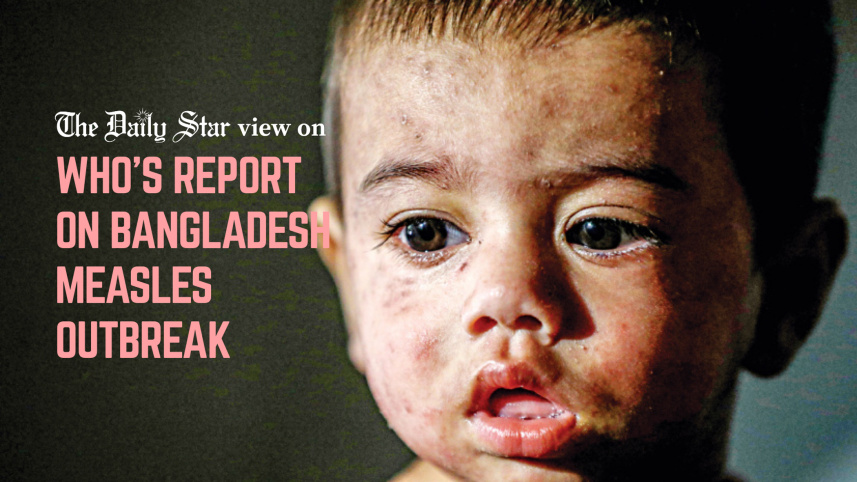
Despite the ongoing nationwide vaccination campaign, the rise in measles cases appears undeterred. According to a recent report on Bangladesh’s measles situation by the World Health Organization (WHO), a total of 19,161 suspected measles cases and 2,973 laboratory-confirmed measles cases were reported between March 15 and April 14 as well as 166 suspected measles-related deaths. At least 91 percent of the cases so far occurred among children aged one to 14 years. Concerningly, the WHO observed that the current outbreak indicates a reversal from Bangladesh’s previous progress towards measles elimination and highlights increasing vulnerability to sustained transmission. Unfortunately, while there are measures being taken to address the outbreak, there are also several instances of neglect and a lack of proactivity from the health ministry and the Directorate General of Health Services (DGHS).

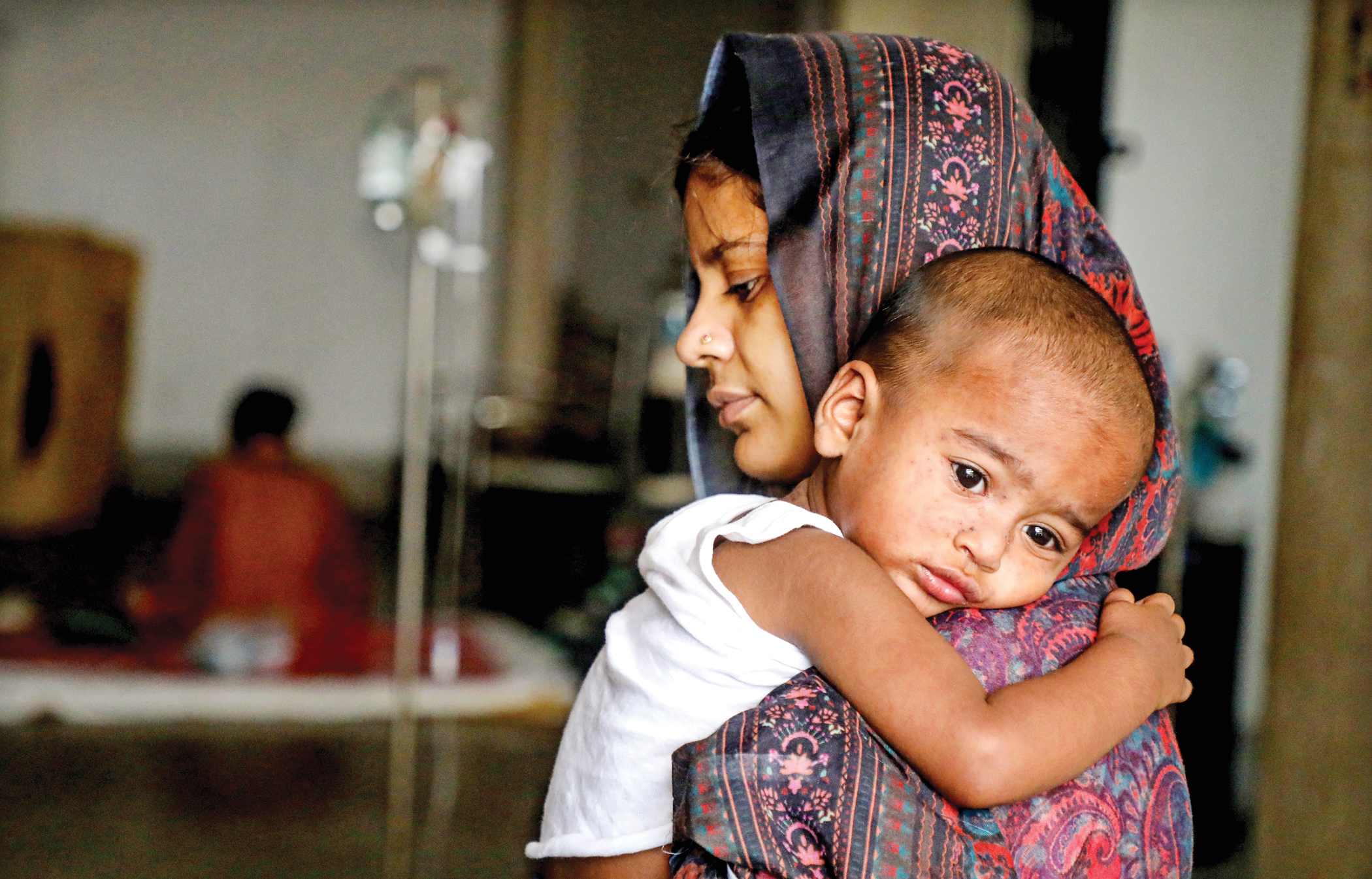
For instance, a joint meeting of the National Immunization Technical Advisory Group (NITAG) and the National Verification Committee (NVC) was held on April 12, during which specialists put forward several urgent recommendations, including the formation of a multi-stakeholder committee comprising paediatricians, epidemiologists, virologists, laboratory specialists, and other relevant experts. However, the health minister reportedly remains uninformed about these urgent recommendations, according to a Prothom Alo report. More disappointingly, the DGHS director-general has been unavailable to provide answers to media queries regarding this crisis, while the Expanded Programme on Immunization (EPI) does not even have a spokesperson.
Another issue that came to light is the distinction between confirmed and “suspected” measles deaths. Apparently, for only those cases where samples from deceased children could be tested, the DGHS reported confirmed deaths. This means that even when children died of measles symptoms, their deaths were often not counted because the DGHS failed to test them because of an acute shortage of measles testing kits. Could this distinction between “confirmed” and “suspected” measles deaths imposed by the directorate indicate an attempt to downplay the severity of the current measles outbreak?
The worst aspect of this outbreak is that it was entirely preventable. Due to the irresponsibility of various stakeholders in the health sector across successive governments, parents are witnessing their children’s deaths. Do those who helmed the health ministry and its adjacent institutions feel the burden of the ongoing tragedy? They should. And this burden should urge the current authorities to act before—not after—the consequences of their lax attitude are felt. To this end, the health ministry must go through the recommendations made by expert groups and the WHO, and form a multi-stakeholder committee immediately. Mass vaccination as a response is crucial, but also expected. What we also need is for our health institutions to be held accountable for their many oversights.
 For all latest news, follow The Daily Star's Google News channel.
Comments