


We must fix the microplastic menace
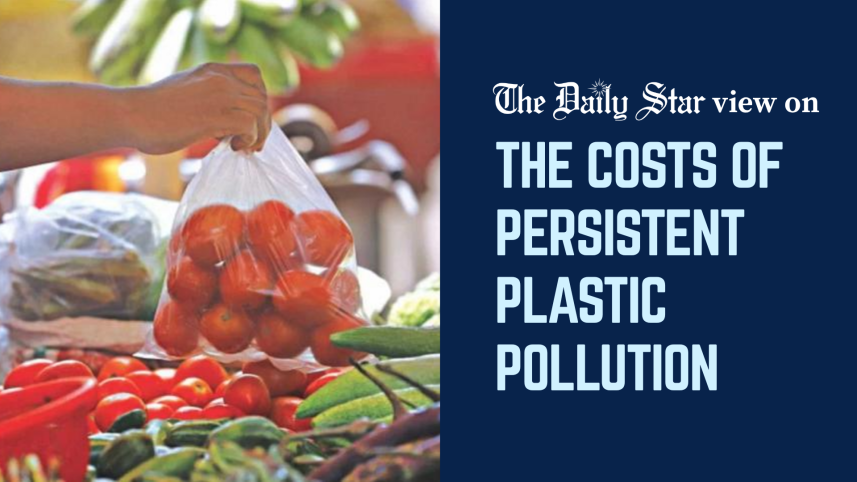
Although Bangladesh was the first country in the world to ban thin polythene bags in 2002, nearly a quarter of a century later, that ban remains mostly on paper. More than 60 percent of retailers who know it exists continue to hand out banned bags every day. Dhaka alone generates an estimated 646 tonnes of plastic waste daily, most of it from e-commerce, courier services, and food delivery that now define urban middle-class life. The gap between law and practice has become the norm rather than the exception.
For a long time, the default explanation for this was ignorance: people did not understand the harm, and better information would change their habits. That theory is now hard to sustain. Recent surveys, including a study on 420 respondents published in the journal Marine Policy, show that Bangladeshis are alarmed by the risks of microplastics. Besides, more than half of the retailers in another survey said they would switch to alternatives if they were affordable and easy to find. The problem is that the economy offers no viable alternative way yet. A 2025 review of 56 peer-reviewed studies found microplastics embedded across the country's rivers, sediments, street dust, sea salt and food, including hilsa fish. Contamination of this scale is the direct result of an industrial packaging system that has displaced plastic-free alternatives even in rural markets.

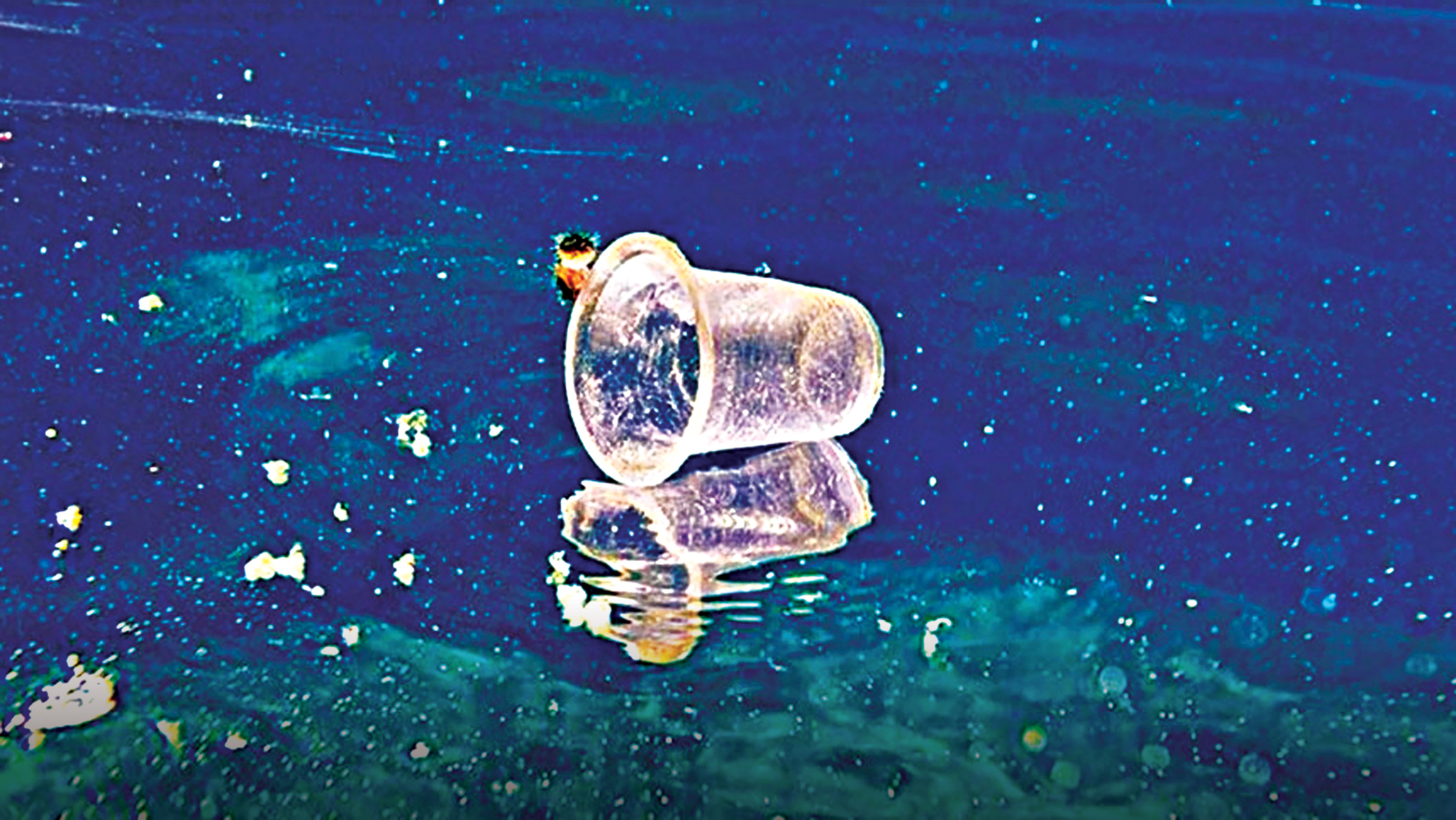
Three failures compound one another here, and each has reasonably well-understood remedies. The first is enforcement. Currently, environment officials can issue penalties only when they personally witness an offence during a mobile court drive, an absurdly narrow standard for a violation as ubiquitous as handing out plastic bags. This needs to be fixed. Moreover, ordinary citizens have no standing to bring cases before environment courts at all. Empowering local government bodies to issue administrative fines directly would multiply enforcement capacity without new legislation.
The second is price signals. Plastic remains cheap because none of its downstream costs, in health, in river and soil contamination, in waste management, are priced into it. A modest refundable deposit scheme on bottles—of the kind now standard across much of Europe—would create an immediate incentive for collection rather than relying on goodwill or fines after the fact. More broadly, Extended Producer Responsibility, which makes manufacturers pay for the collection and management of what they put on the market, deserves to move from a policy talking point to a legal obligation. Survey respondents already support it; the missing ingredient is political will.
The third is infrastructure for genuine alternatives. Traditional packaging systems for milk, yoghurt and grain are being crowded out by industrial packaging. Reviving them is the cheapest available substitute for the plastic economy, and it preserves livelihoods.
What Bangladesh lacks is not knowledge of what works but the institutional follow-through to apply it. The country’s education needs a curriculum, as researchers have argued, that teaches civic understanding rather than facts alone. To fix the menace of microplastics, the government must help create a sustainable and affordable alternative. Until it does, the plastic ban will remain what it has effectively become: a law that everybody knows and almost nobody follows.
 For all latest news, follow The Daily Star's Google News channel.
Comments